
Wasting food isn’t just bad for your wallet—it’s tough on the planet too. Fortunately, small kitchen tweaks can make a big difference. These zero-waste tips are easy to try and loved by home cooks and pros alike.
Save Your Veggie Scraps

Don’t toss carrot peels, onion skins, or celery ends. Store them in a freezer bag until you have enough for a homemade veggie broth. It’s flavorful, free, and cuts down on kitchen waste.
Use Herb Stems

Parsley, cilantro, and dill stems pack just as much flavor as the leaves. Chop them finely and add them to soups, salads, or sauces. You’ll get more mileage from every bunch.
Regrow from Scraps

Green onions, celery, and lettuce can regrow in water. Place the roots in a glass by the window and watch them sprout. It’s a fun way to stretch your groceries.
Freeze Overripe Fruit

Bananas, berries, and peaches that are too soft to eat are perfect for smoothies. Freeze them in slices for easy use later. You’ll reduce food waste and always have smoothie ingredients on hand.
Revive Stale Bread

Before tossing stale bread, try turning it into croutons or breadcrumbs. You can also rehydrate it with a splash of water and a few minutes in the oven. One loaf can go a long way!
Store Herbs in Olive Oil

Preserve fresh herbs by chopping and freezing them in olive oil. Use an ice cube tray for easy portions. It’s a flavor booster that’s ready whenever you need it.
Use Citrus Peels

Zest lemons and oranges before juicing—they add big flavor to dishes. Or soak the peels in vinegar to make a natural cleaner. Either way, you’re getting more use from every fruit.
Roast the Broccoli Stems

Don’t toss broccoli stems—they’re sweet and tender when roasted. Peel the tough outer layer and slice them into coins. They taste great in stir-fries or as a snack.
Compost Scraps
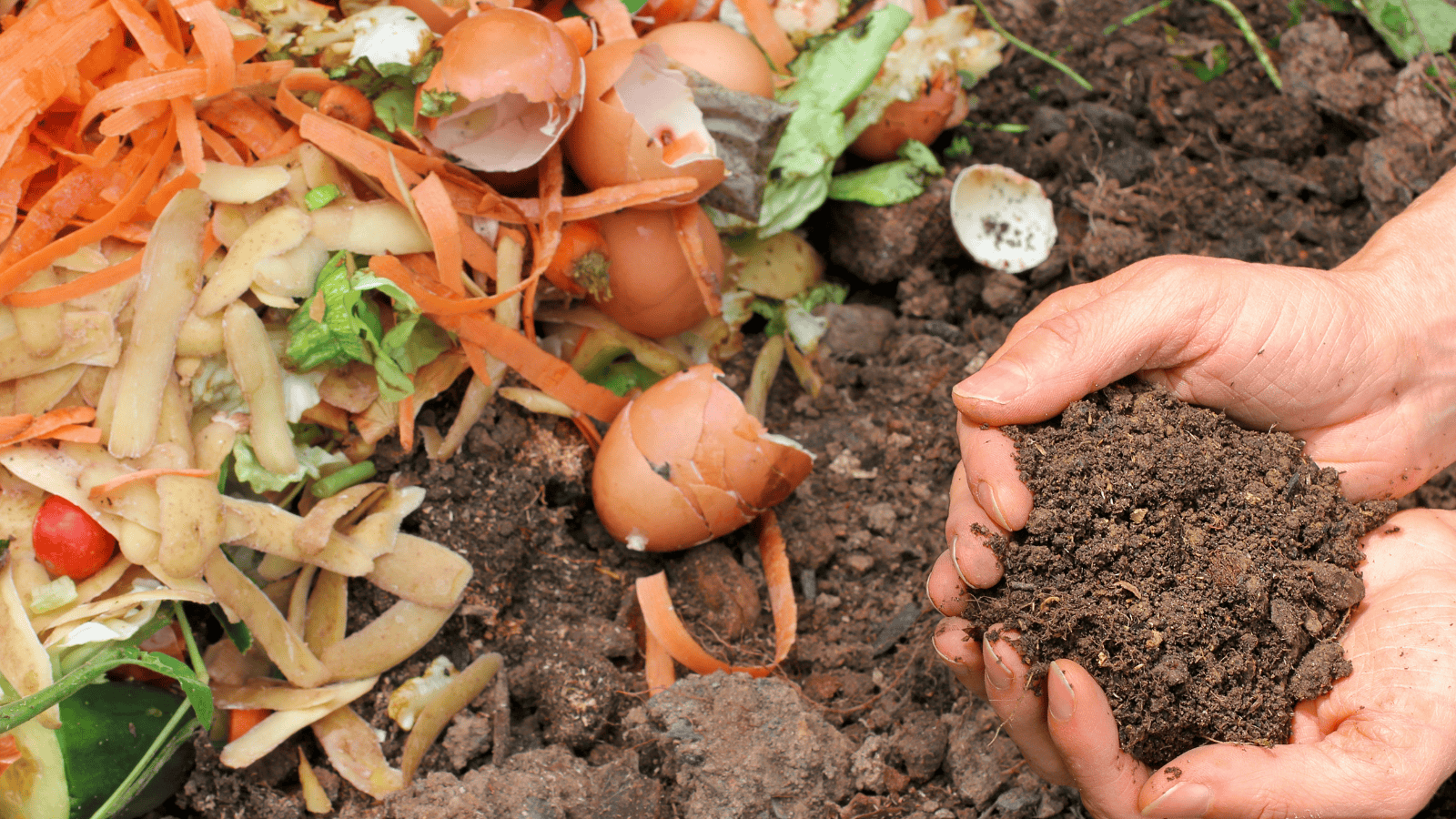
For scraps you can’t reuse, composting is a great option. Coffee grounds, eggshells, and veggie peels all break down into nutrient-rich soil. Your garden will thank you.
Plan Before You Shop

The best way to waste less is to shop smart. Make a weekly meal plan and only buy what you’ll use. It saves time, money, and reduces spoilage.