If you have ever watched vegetables sizzle in a skillet and wondered whether you are sautéing or stir-frying them, you are not alone.
The sauté vs. stir-fry comparison can be confusing because both cooking methods involve small pieces of food, a hot pan, a little oil, and relatively quick cooking. Still, they aren’t quite the same technique.
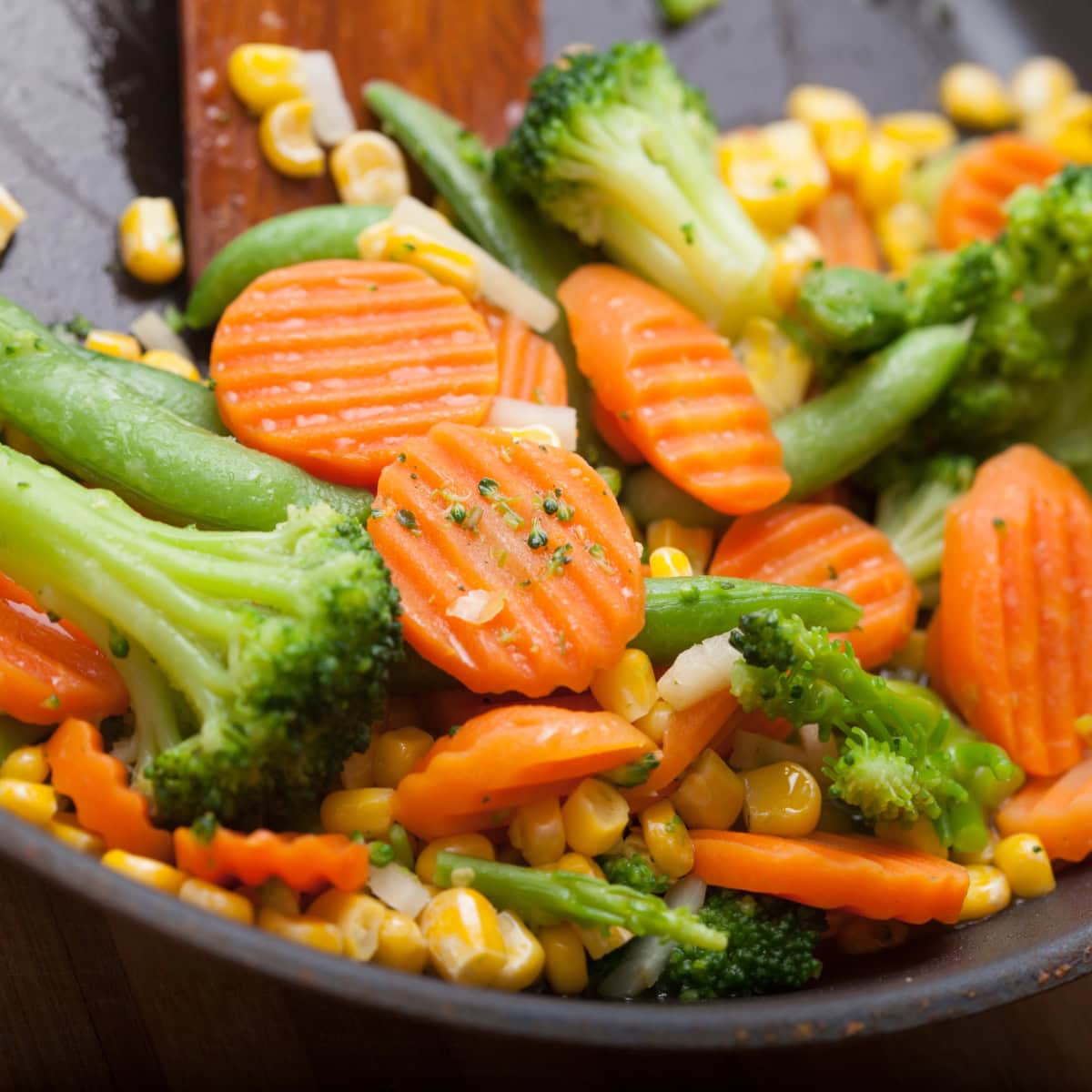
The main difference between sauté and stir fry comes down to heat, movement, equipment, and the way ingredients are cooked. Sautéing traditionally uses a skillet or sauté pan over medium-high to high heat, with ingredients tossed or turned periodically. Stir frying traditionally uses a wok over very high heat, with ingredients kept in frequent motion and often added in stages according to how quickly they cook.
In my kitchen, the distinction isn’t always perfectly rigid. I’ve made plenty of stir-fries in a large skillet when I didn’t want to pull out my wok, and they were still delicious. Understanding the traditional methods, however, makes it much easier to get the texture you want, especially those bright, crisp vegetables that make a good stir fry so satisfying.
What Is Sautéing?
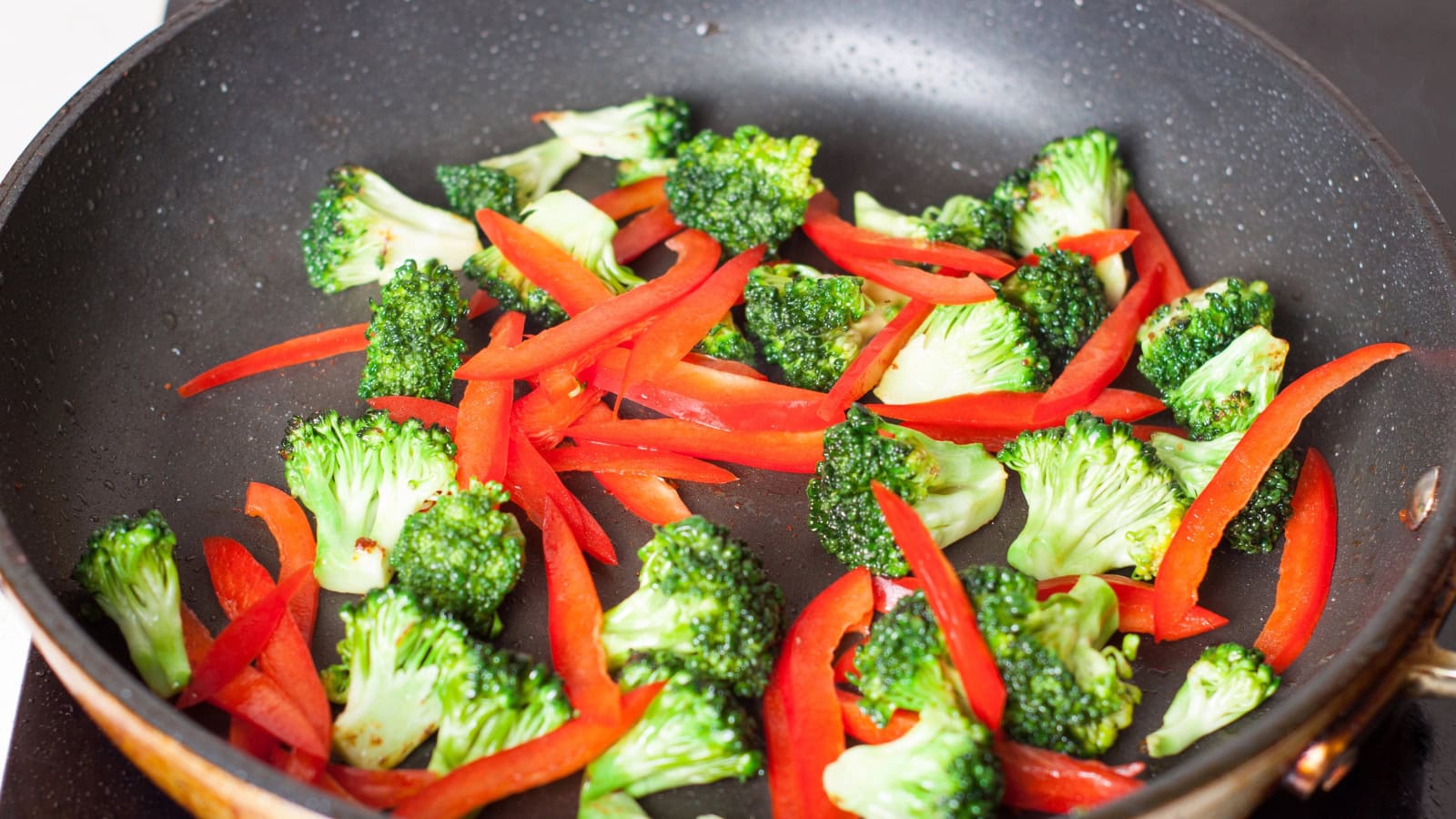
Sautéing is a dry-heat cooking method that uses a relatively small amount of fat in a wide, shallow pan. The word comes from the French sauter, meaning “to jump,” which is a pretty good description of food being tossed in a hot pan.
To sauté, you generally heat a skillet or sauté pan, add a small amount of oil or another fat, and then add relatively small pieces of food. The ingredients remain in contact with the hot surface long enough to brown before being stirred, flipped, or tossed.
Sautéing works beautifully for onions, mushrooms, garlic, leafy greens, chicken, seafood, and many other foods. If I’m cooking mushrooms, for example, I’ll often let them sit against the pan for a moment instead of constantly moving them. That little bit of patience encourages the beautiful browning that sautéing does so well.
Although olive oil is commonly used for sautéing, the best fat depends on the temperature and the flavor you’re trying to achieve.
What Is Stir Frying?
Stir frying is a Chinese cooking technique traditionally performed in a wok. Small, evenly cut ingredients are cooked quickly over high heat while being stirred, tossed, and moved around the wok.
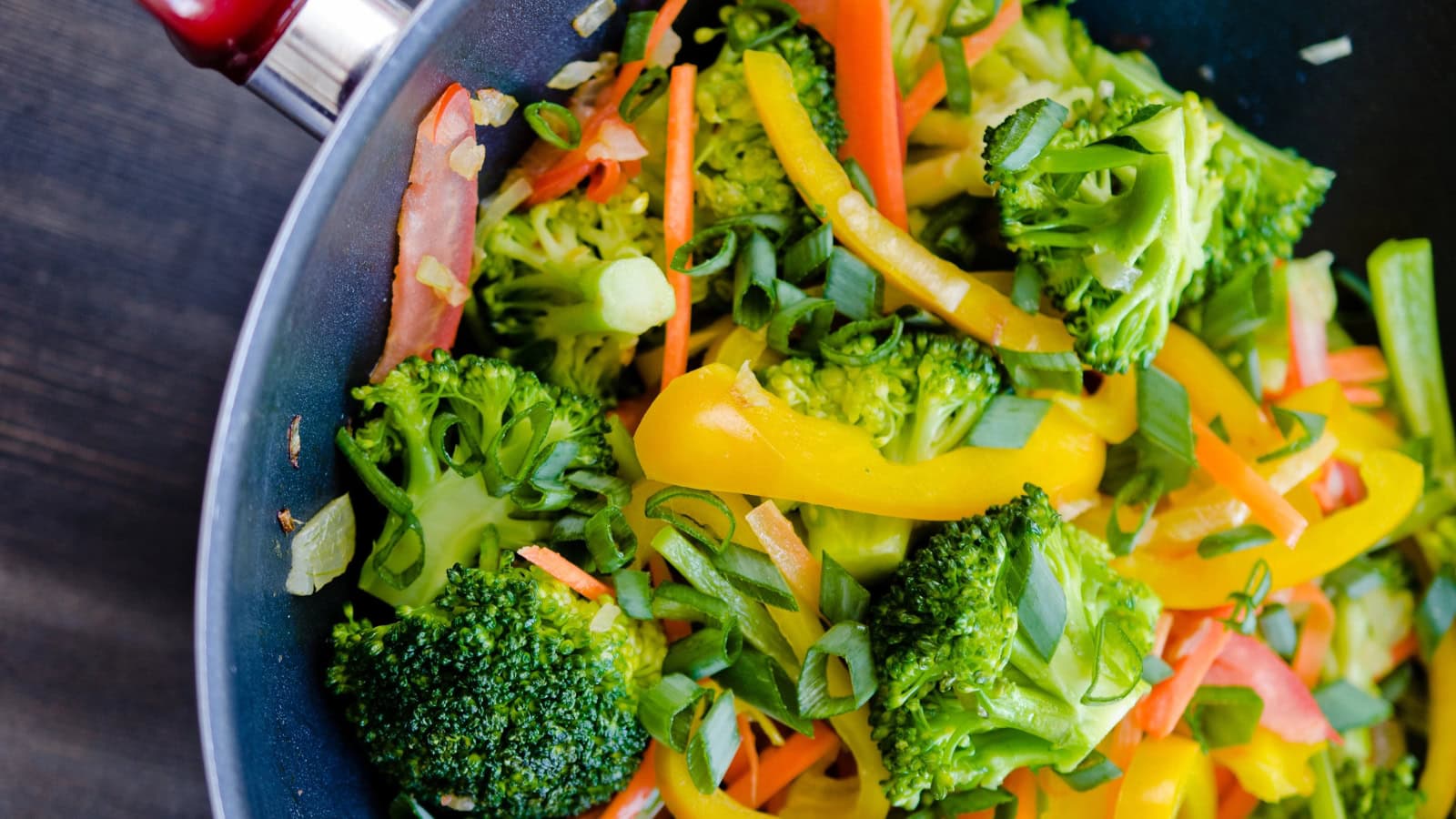
Speed is one of the defining characteristics of a stir fry. Because the ingredients are generally cut into bite-sized or thin pieces, they can cook remarkably quickly. Vegetables can stay bright and crisp while thin slices of meat develop plenty of flavor without spending a long time over the heat.
Another important feature is cooking ingredients in stages. A stir-fry containing meat and vegetables isn’t necessarily dumped into the wok all at once. The protein may be cooked first and removed, then aromatics and vegetables are added, before everything is brought together with a sauce.
This is why preparation is so important. Once I start stir frying, I want the chopped green onions, garlic, vegetables, protein, and sauce within arm’s reach. A screaming-hot wok isn’t very forgiving when you’re still searching the refrigerator for the soy sauce!
Saute vs Stir Fry: What’s the Main Difference?
When comparing sauté vs stir fry, think about four things: heat, movement, pan shape, and timing.
Both methods use relatively high heat, but traditional stir-frying typically relies on much higher heat and very fast cooking. A wok’s shape concentrates heat at the bottom while providing cooler areas along the sides, allowing a cook to move ingredients around strategically.
Sautéing generally uses a flat-bottomed skillet or sauté pan. Food has plenty of direct contact with the cooking surface, which makes the method particularly useful when browning is important.
Movement is another key distinction between sautéing and stir-frying. With sautéing, food may be tossed or stirred occasionally but can remain against the pan long enough to develop color. During stir frying, ingredients are moved much more frequently.
Neither approach is inherently better. The right method depends on the texture and finished dish you want.
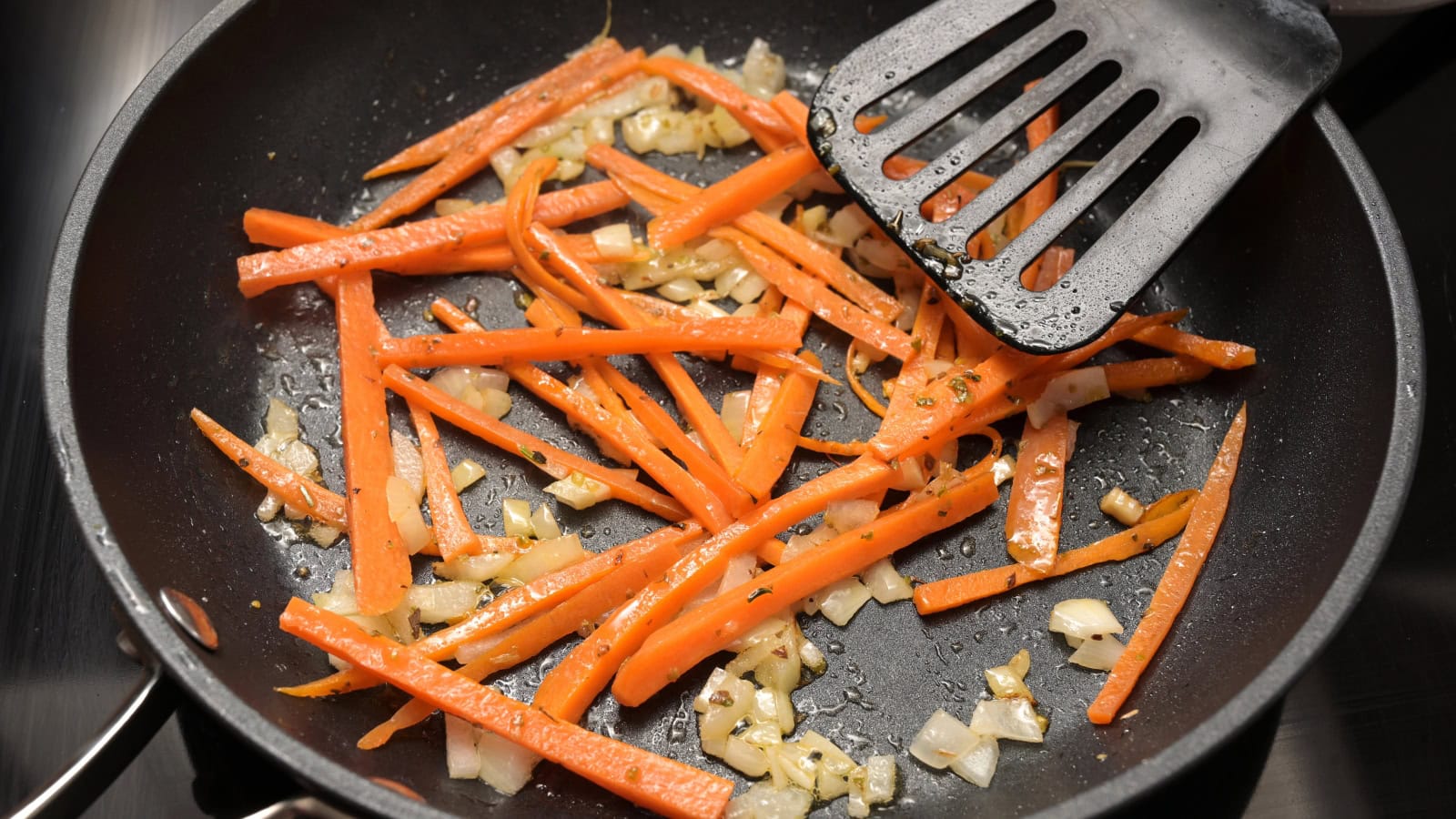
Sauteed vs Stir Fry Vegetables
The difference between stir fried vs sauteed vegetables is often subtle, especially when both are prepared in a skillet.
Sautéed vegetables typically have more opportunity to brown because they spend longer in direct contact with the pan. Mushrooms, zucchini, onions, and peppers are particularly good candidates for this method.
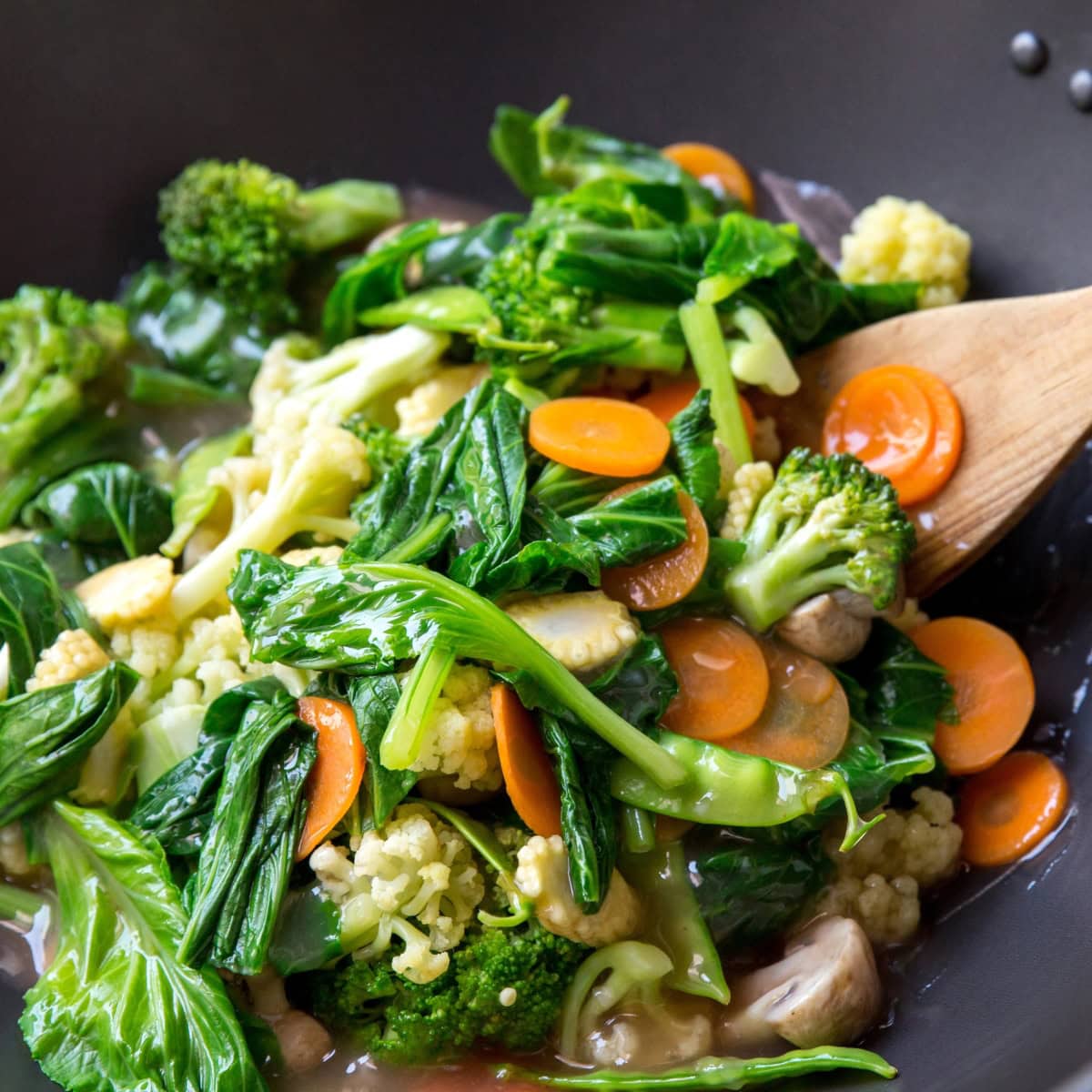
Stir-fried vegetables are generally cooked quickly, with frequent movement, so the goal is often a crisp-tender texture and vibrant color. Broccoli, snow peas, carrots, cabbage, bell peppers, and green beans all respond beautifully to stir frying.
If you want to sauté veggies for stir fry because you don’t own a wok, that’s perfectly fine. Use a wide skillet, avoid overcrowding it, and keep the temperature high enough that the vegetables sizzle rather than steam.
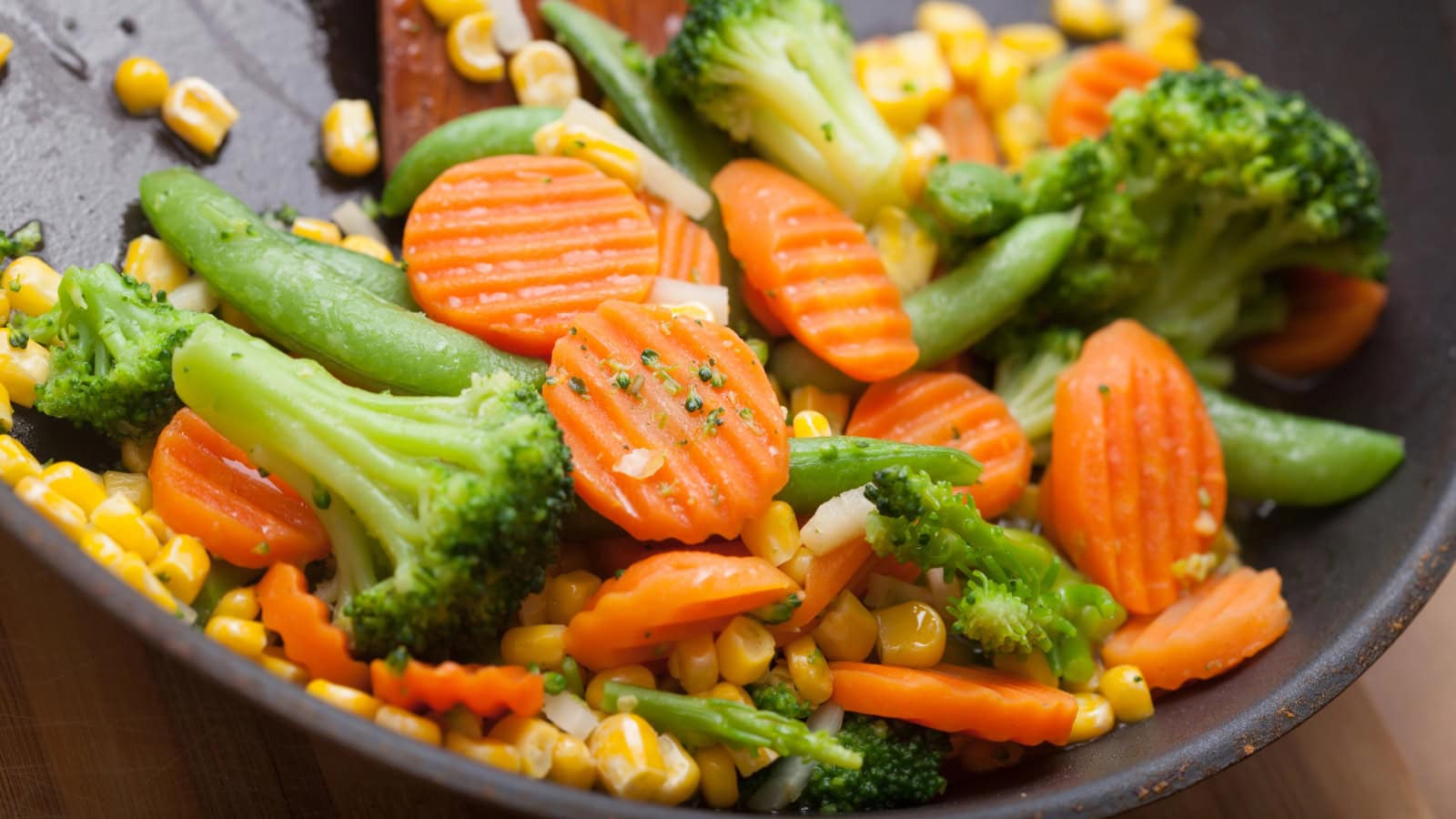
Saute vs Stir Fry Chicken and Meat
The sauté vs. stir-fry chicken comparison follows many of the same principles.
Sautéed chicken is often cooked in somewhat larger pieces and given time to develop a brown crust in the pan. For stir-fry chicken, the meat is usually cut into thin, bite-sized pieces so it cooks quickly and evenly.
When comparing sauté vs. stir-fry meat, preparation matters as much as the cooking method. Thinly slicing beef against the grain, for instance, can make it more tender and suitable for quick stir frying.
For either method, resist overcrowding the pan. Adding too much cold meat at once lowers the temperature and releases moisture, causing the meat to steam instead of brown.
Stir Fry vs Pan Fry: Are They the Same?
The stir fry vs pan fry distinction is greater than it might initially seem. Pan frying generally uses more oil than sautéing or stir frying, and the food is usually left relatively undisturbed so each side can develop a browned, crisp surface.
Think of a breaded cutlet sizzling in a shallow layer of oil. That’s a much different process from rapidly tossing thin vegetables and meat through a hot wok.
So, when comparing pan frying vs stir frying, movement is again important. Stir-fried food is frequently moved, while pan-fried food needs enough uninterrupted contact with the hot pan to form a crust.
The sauté vs. pan-fry difference often comes down to the amount of oil as well. Sautéing typically uses just enough fat to lightly coat the pan, while pan frying generally requires a more generous amount.
Sauté vs Sear: What’s the Difference?
Searing is another high-heat method, but its goal is specifically to develop a deeply browned exterior.
When you sear a steak, for example, you usually leave it relatively undisturbed against a very hot cooking surface. Moving it continuously would interfere with the crust you’re trying to create.
Sautéing involves more movement and is particularly suited to smaller pieces of food. Stir frying involves even more frequent movement and generally cooks thinly cut ingredients very quickly.
Understanding these distinctions can help you read recipes more confidently rather than treating sauté, sear, pan-fry, and stir-fry as interchangeable instructions.
Pro Tips for Sautéing and Stir Frying
Regardless of whether you sauté or stir fry, don’t overcrowd your pan. Food releases moisture as it cooks, and too many ingredients trapped together can create steam. Working in batches often produces much better browning and texture.
Prepare ingredients before you begin, especially for a stir-fry. Cut foods into consistent sizes, mix your sauce ahead of time, and keep everything close to the stove.
Choose your cooking oil based on the required heat. Olive oil can be excellent for many sautéed dishes, while a neutral oil suitable for higher temperatures is often more practical for very hot wok cooking.
Most importantly, pay attention to what is happening in the pan rather than relying entirely on a timer. Listen for a lively sizzle and watch how quickly ingredients brown.
Storing and Reheating Sautéed or Stir-Fried Food
Both sautéed and stir-fried leftovers can generally be refrigerated in airtight containers, although exact storage times depend on the dish’s ingredients. For many cooked meat and vegetable dishes, aim to enjoy refrigerated leftovers within three to four days.
A skillet or wok is my favorite way to reheat stir-fried food because quick, direct heat helps revive some of the original texture. Add only a tiny splash of water if necessary and heat just until everything is warmed through.
Vegetables will naturally soften after refrigeration, so avoid reheating them longer than necessary.
Variations on Sautéing and Stir Frying
Once you understand sautéing and stir-frying, you can use both methods much more flexibly.
Try sautéing mushrooms with garlic and olive oil for deep browning, or stir-frying broccoli, carrots, and peppers for a fresher, crisp-tender texture. Chicken can be sautéed in larger pieces for a simple entrée or thinly sliced for a fast, sauté-style chicken stir-fry dinner.
Noodles can also be finished in a hot wok or skillet, although pan-fried vs stir-fried noodles can have different textures. Allowing noodles to sit against the pan promotes crisp edges, while frequent tossing produces a more traditional stir-fried result.
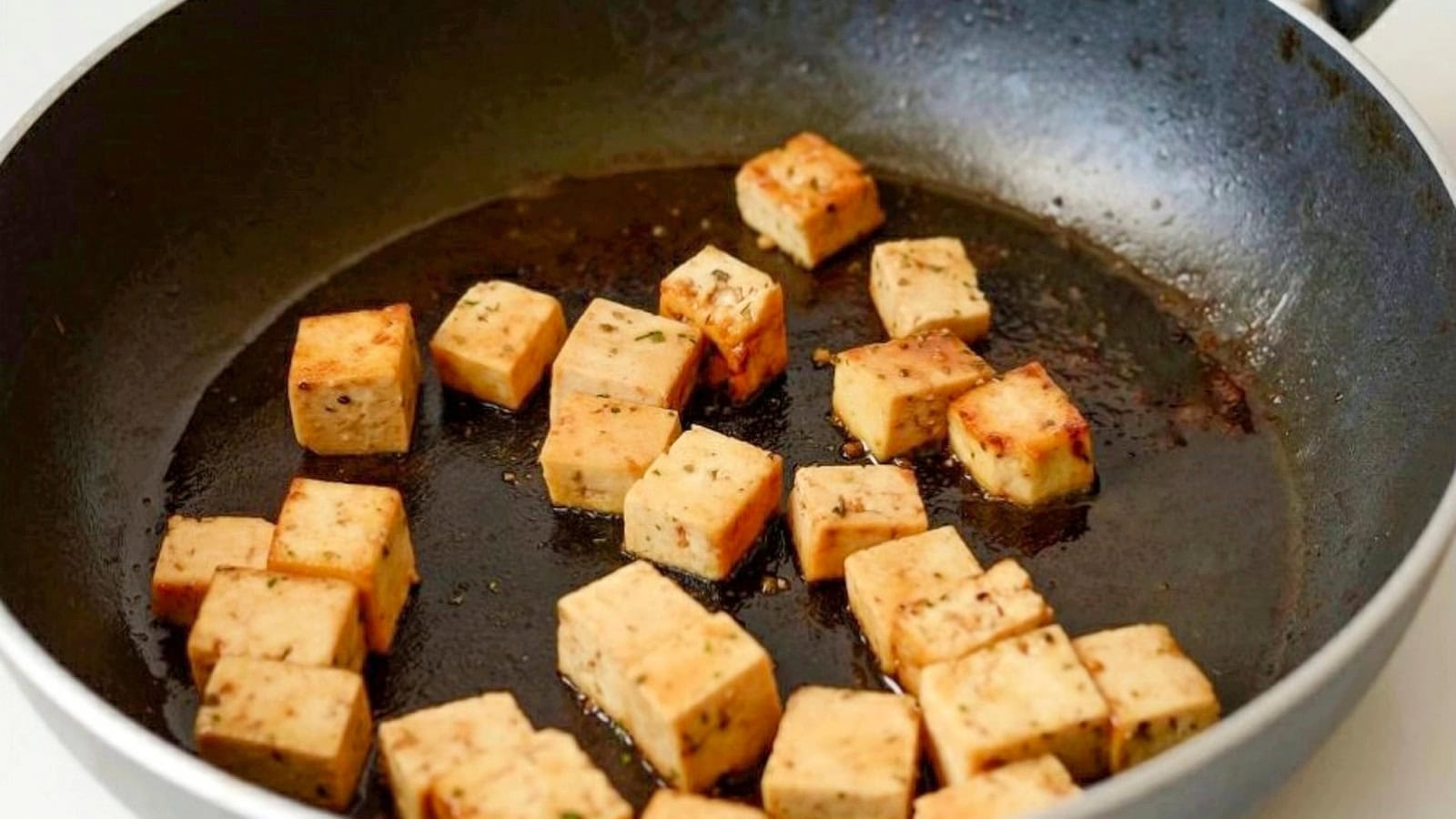
What to Serve With Stir-Fried and Sautéed Dishes
Stir-fried dishes are natural partners for steamed jasmine rice, brown rice, fried rice, or noodles. A simple cucumber salad, dumplings, or soup can round out the meal without competing with the main dish.
Sautéed foods are even more flexible. Depending on the seasoning, they can accompany pasta, rice, roasted potatoes, grains, or a simple salad.
Both techniques are also useful for cooking vegetables as quick side dishes, which is one reason they’re worth learning even if you don’t follow many specific recipes.
Final Thoughts
The most important thing to remember about sauté vs. stir-fry is that the techniques are related but not identical. Sautéing uses a small amount of fat and direct contact with a wide pan to quickly cook and often brown ingredients. Stir-frying traditionally uses a wok, high heat, frequent movement, and carefully staged ingredients to cook food exceptionally quickly.
In everyday home cooking, there is naturally some overlap. You can make an excellent stir-fry in a skillet, and sometimes what happens in our kitchens sits somewhere between textbook definitions.
Once you understand what each technique is trying to accomplish, the terminology matters less than the result: properly browned meat, flavorful ingredients, and vegetables cooked exactly the way you like them.
FAQs
Neither method is automatically healthier. Both can use relatively small amounts of oil and plenty of vegetables. The overall nutritional profile depends more on the ingredients, amount and type of oil, sauces, and portion size than the cooking method itself.
Yes. A wok is traditional and has advantages, but a wide sauté pan or skillet can produce very good results at home. Cook smaller batches so the ingredients have enough room to brown rather than steam.
Not necessarily. Sautéed food is moved or tossed during cooking, but allowing ingredients to have some contact time with the hot pan encourages browning. Stirring constantly can sometimes prevent that color from developing.
No. Pan frying vs stir-frying primarily differ in the amount of oil used and the movement of the food. Pan frying generally uses more oil and lets food cook relatively undisturbed on each side, while stir frying uses less oil and keeps small pieces of food moving frequently over high heat.
Stir-frying is a type of frying, but it differs from deep frying and pan frying. It uses relatively little oil and cooks small pieces of food rapidly over high heat, traditionally in a wok.