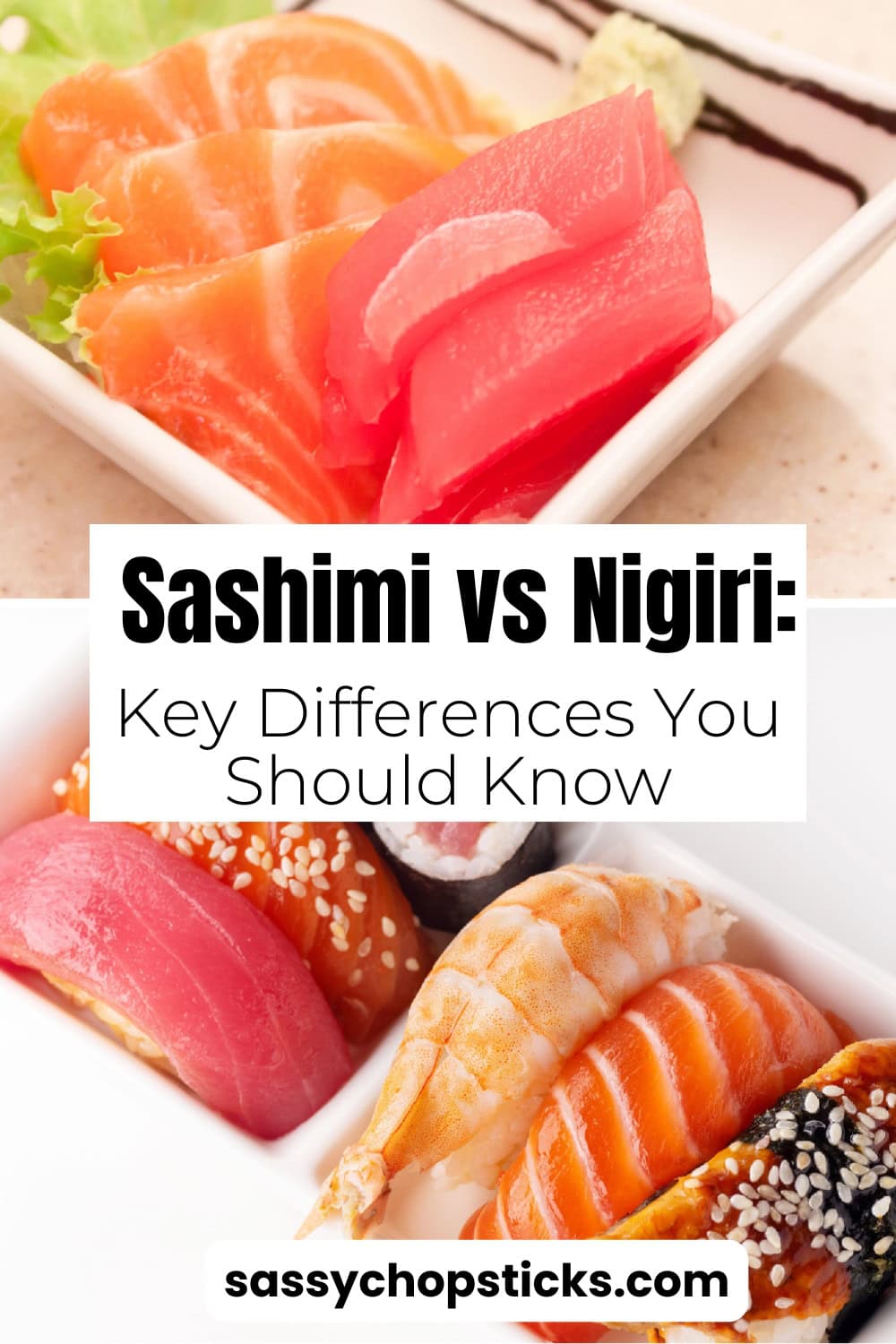
If you’ve ever looked at a Japanese restaurant menu and wondered about the difference between nigiri sashimi, you’re definitely not alone. Both are popular ways to enjoy raw fish, but they’re actually quite different in how they’re prepared, served, and even how they taste.
Understanding the difference between nigiri and sashimi makes ordering so much easier, and honestly, a lot more enjoyable too. Whether you’re new to sushi or just want to know exactly what you’re eating, this guide breaks it all down in a simple, clear way.
What Is Sashimi?
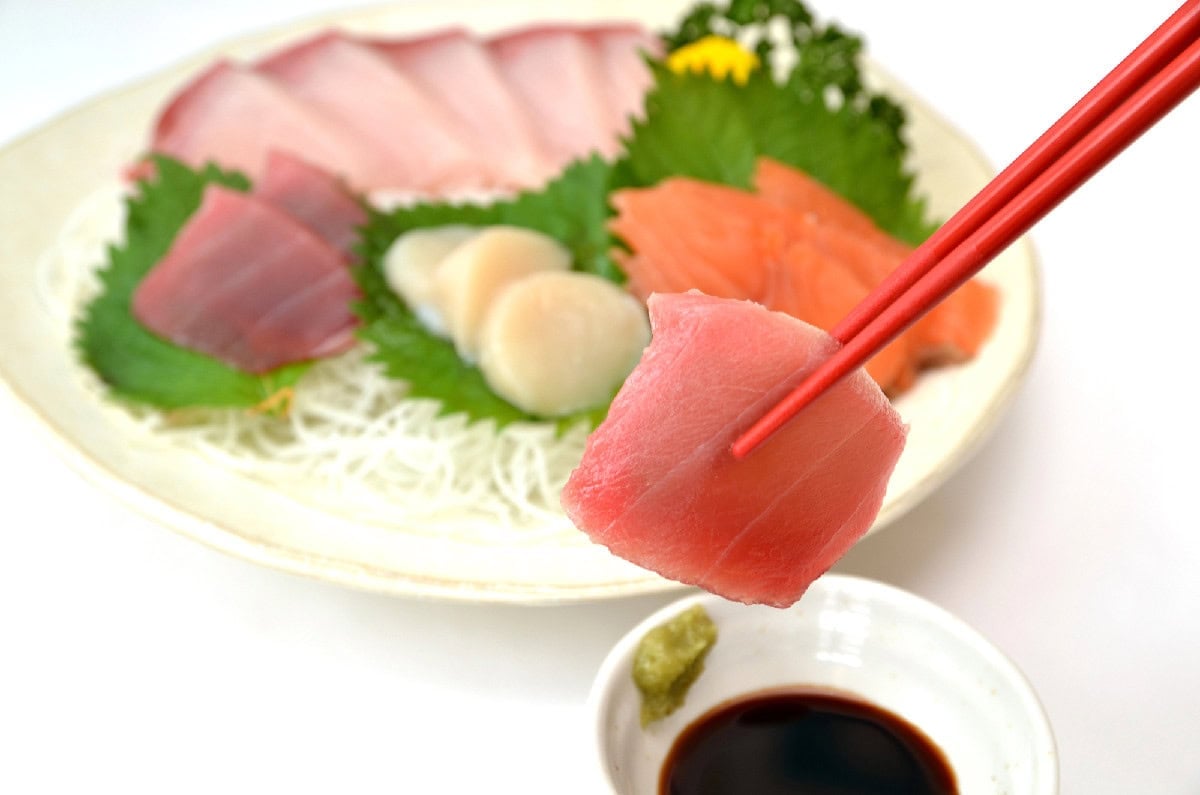
Sashimi is one of the simplest and purest ways to enjoy raw fish. It refers to thinly sliced pieces of fresh fish, carefully prepared and beautifully presented on a plate.
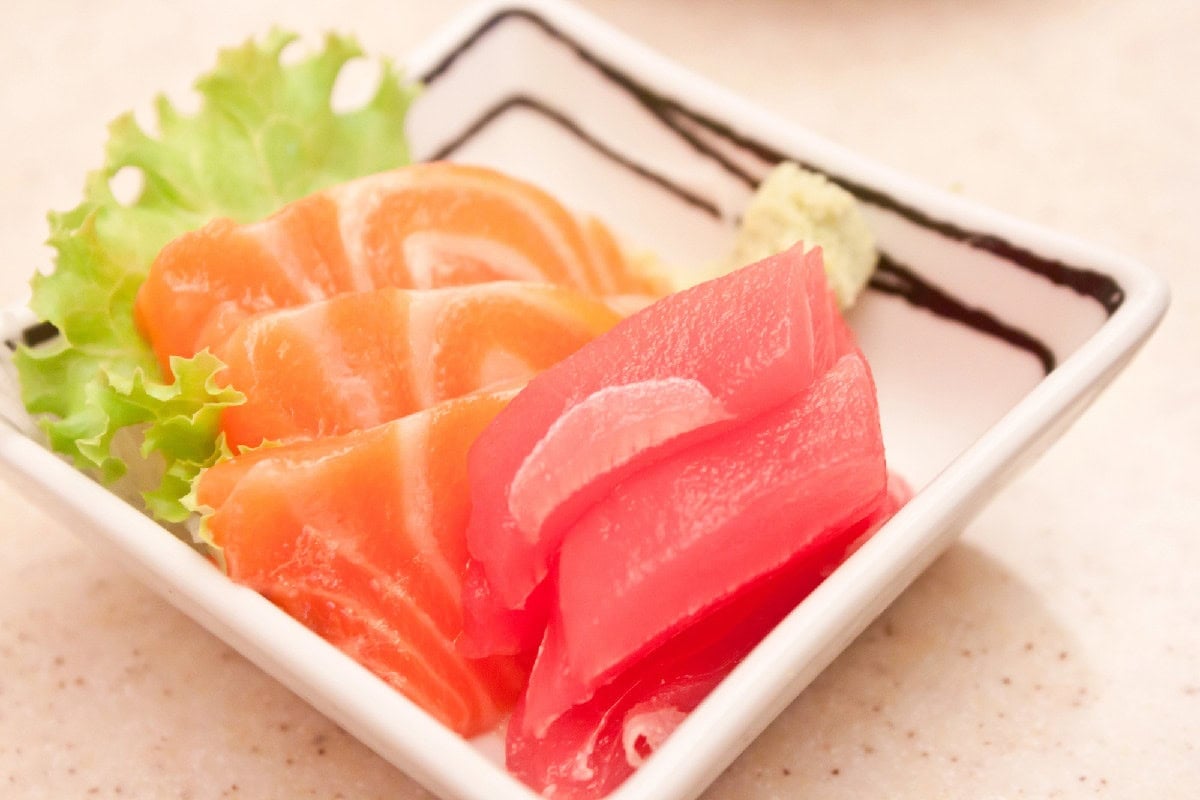
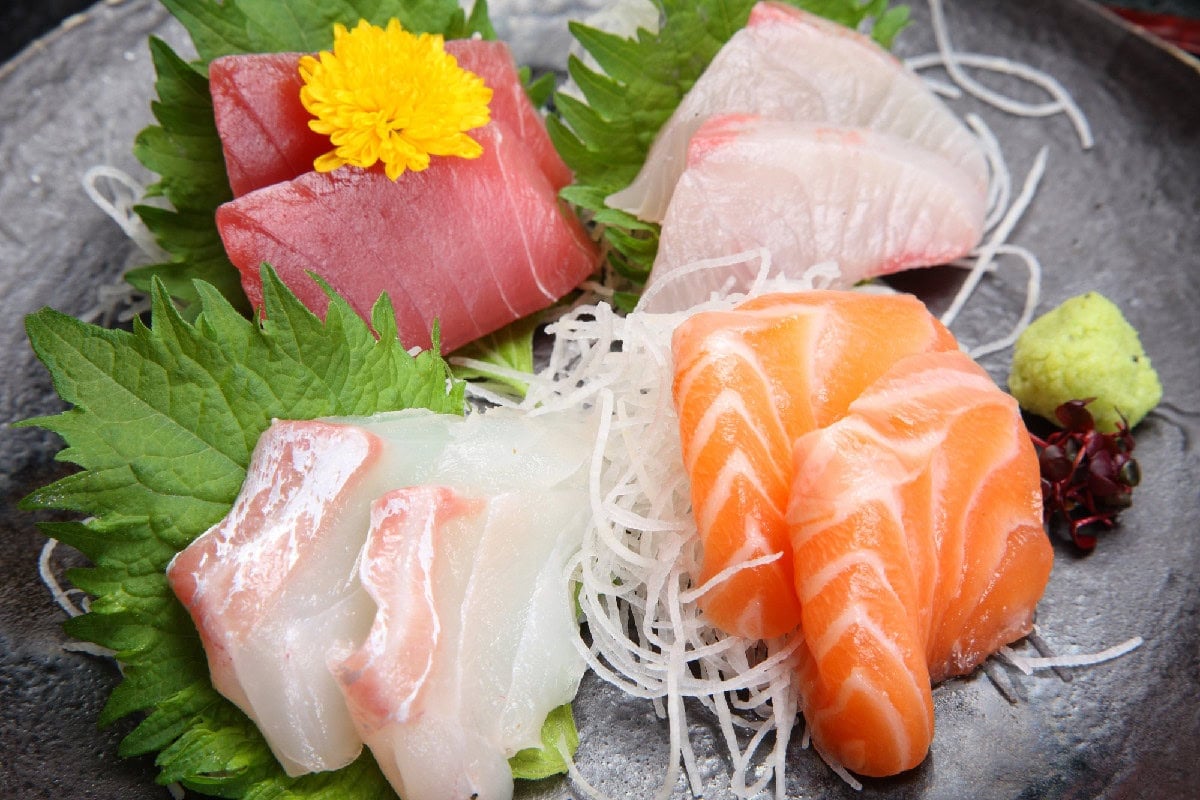
Sashimi differs from most sushi varieties in that it’s served without rice. Instead, it consists of thinly sliced raw fish or seafood, often accompanied by a touch of wasabi, soy sauce, and simple garnishes like shredded daikon.
Because there’s no rice involved, the focus is completely on the quality, texture, and taste of the fish. Common types include salmon, tuna, and yellowtail, all sliced into delicate pieces that highlight freshness and presentation.
What Is Nigiri?
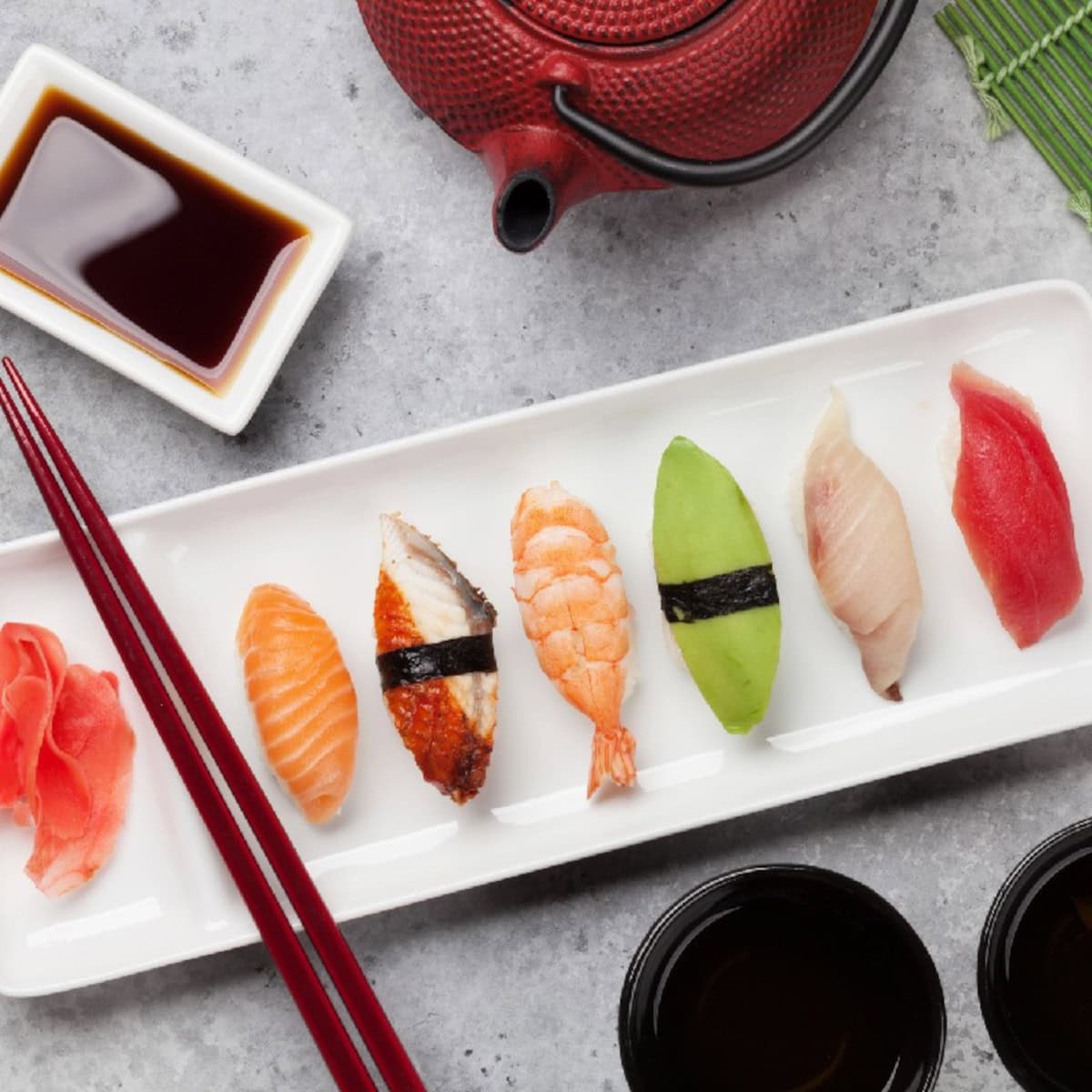
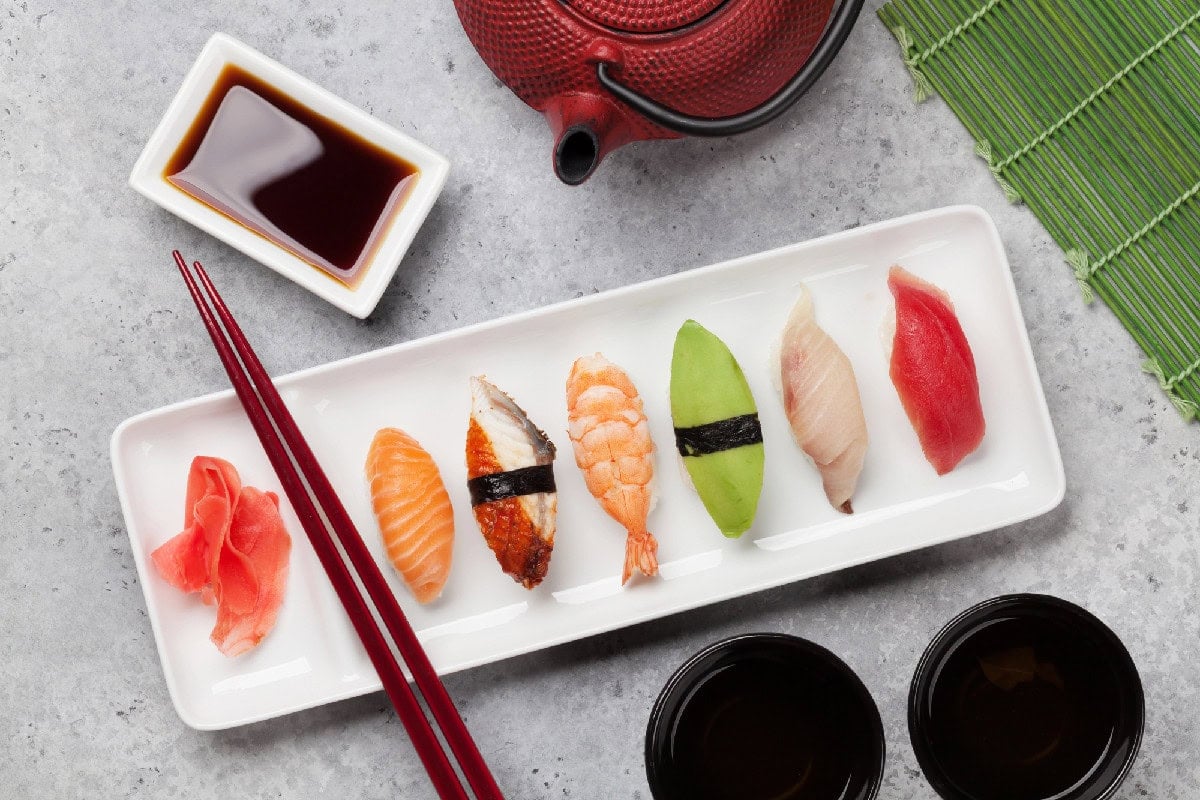
Nigiri sushi is a type of sushi that combines vinegared rice with a slice of fish on top. Each piece is shaped by hand into a small mound of sushi rice, then topped with either raw or sometimes cooked fish.
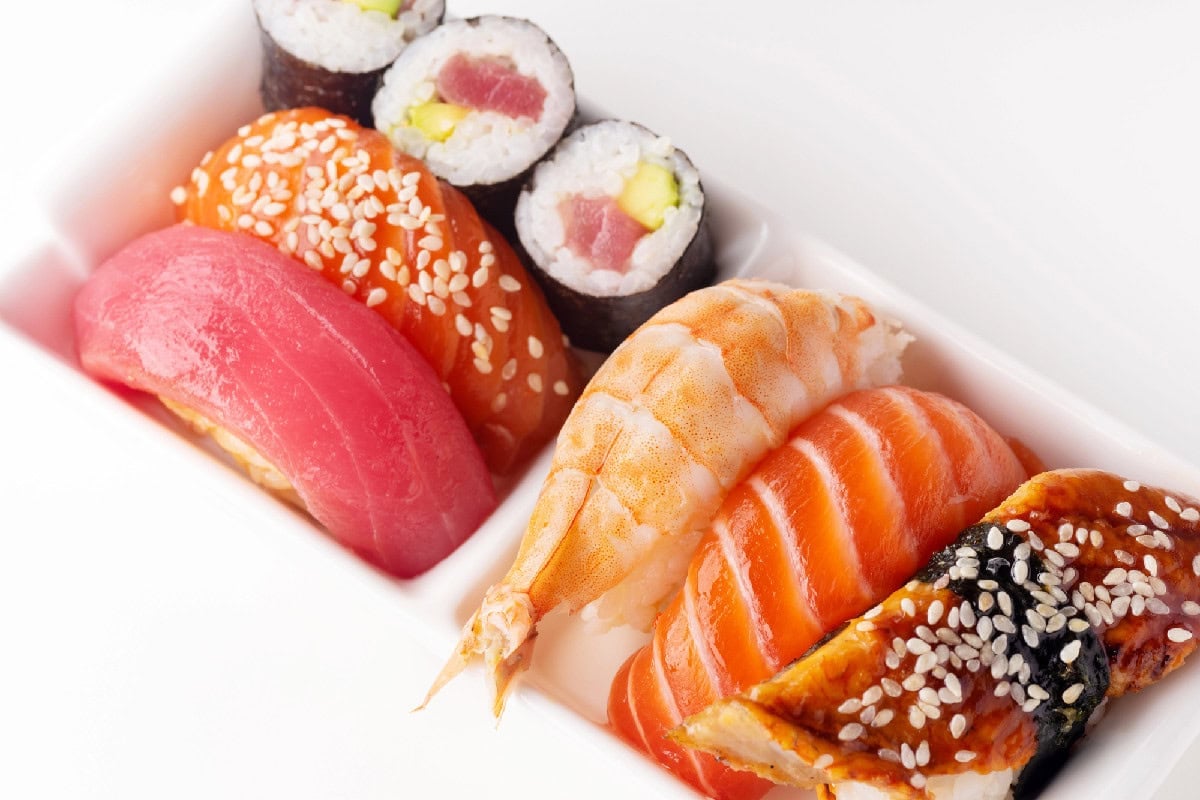
A touch of wasabi is often placed between the rice and the fish, adding a subtle kick without overpowering the flavor.
Nigiri is typically served in pairs and is designed to be eaten in one bite. The balance between the slightly sweet, vinegared rice and the savory fish creates a completely different taste experience compared to sashimi.
Key Differences Between Nigiri and Sashimi
The biggest difference between nigiri and sashimi comes down to one thing: rice.
- Sashimi = just sliced raw fish, no rice
- Nigiri = fish + vinegared sushi rice
But there’s more to it than that.
Sashimi is all about simplicity and highlighting the natural flavor of the fish. It’s often served as a standalone dish or appetizer. Nigiri, on the other hand, is a complete bite, combining texture, flavor, and balance in one small serving.
Presentation also differs slightly. Sashimi is usually arranged in elegant slices, while nigiri comes as neatly shaped pieces, often served in pairs.
Does Sashimi Have Rice?
No—sashimi does not have rice.
This is a question that often comes up when people compare sushi, nigiri, and sashimi. Nigiri is considered a type of sushi because it includes rice, while sashimi isn’t classified as sushi since it’s served without vinegared rice.
If you’re looking for a low-carb option, sashimi is usually the go-to choice.
Taste and Texture Differences
The taste difference between sashimi and nigiri is pretty noticeable.
With sashimi, you’re tasting the fish in its purest form, clean, fresh, and slightly buttery depending on the type. The texture is soft and smooth since it’s simply thinly sliced fish.
Nigiri offers a more complex bite. The seasoned rice brings a mild sweetness and tang that pairs well with the fish, and the texture comes in layers, tender slices of fish resting on a lightly formed bed of rice.
If you enjoy a more balanced bite, nigiri is a great choice. If you prefer something light and simple, sashimi might be your favorite.
Popular Types of Nigiri and Sashimi
Both nigiri and sashimi come in a variety of options, depending on the fish and how it’s served.
For sashimi, common choices include:
- Salmon
- Tuna
- Yellowtail
For nigiri, you’ll often see:
- Salmon nigiri
- Tuna nigiri
- Shrimp (sometimes cooked)
Some restaurants also offer variations like lightly seared (Aburi) fish or different cuts that slightly change the taste and texture.
Sashimi vs Nigiri vs Sushi
This is where things can get confusing.
- Sushi is the overall category that includes dishes made with vinegared rice
- Nigiri is a type of sushi
- Sashimi is not sushi (no rice)
So, when comparing sashimi vs nigiri vs maki or other types, just remember:
- If it has rice, it’s sushi
- If it’s just fish, it’s sashimi
Which One Should You Order?
It really depends on what you’re in the mood for.
If you want something light, simple, and focused on the fish’s flavor, go with sashimi. It’s a great option when you want to appreciate the quality and freshness of the ingredients.
If you’re looking for a more filling and balanced dish, nigiri is the better choice. The combination of fish and rice makes it more satisfying as part of a meal.
A lot of people actually order both; it’s a great way to experience different textures and flavors in one sitting.
Final Thoughts
When it comes to sashimi vs nigiri, the difference is simple but important. Sashimi is all about thinly sliced raw fish, while nigiri combines fish with vinegared sushi rice for a more complete bite.
Both are staples in Japanese cuisine, and each offers its own unique taste and presentation. Once you understand the basics, reading a restaurant menu becomes much easier and a lot more fun, too.
Whether you prefer the clean simplicity of sashimi or the balanced flavor of nigiri, you really can’t go wrong with either.
FAQ
No, sashimi is just thinly sliced raw fish served without rice.
Not always. While many nigiri use raw fish, some types are served with cooked toppings like shrimp or eel.
Sushi includes vinegared rice, while sashimi is simply sliced fish without rice.
Sashimi is usually lower in calories since it doesn’t include rice, while nigiri is more filling due to the added sushi rice.