

Get ready to savor the essence of summer with perfectly preserved berries. This guide breaks down the simple yet effective steps for sorting, cleaning, and storing your favorite summer berries, helping you enjoy their sweet flavor well beyond their peak season.
Bringing home summer berries
Summer berries are one of the best parts of the summer season. With berries popping up at grocery stores, farmers’ markets, and roadside stands, it’s tempting to stock up every chance you get.
But once you bring them home, the clock starts ticking. Berries are delicate and prone to spoilage, often lasting just a few days unless handled properly. Luckily, you don’t need any complicated preservation methods like canning to keep them fresh — just a few smart strategies.
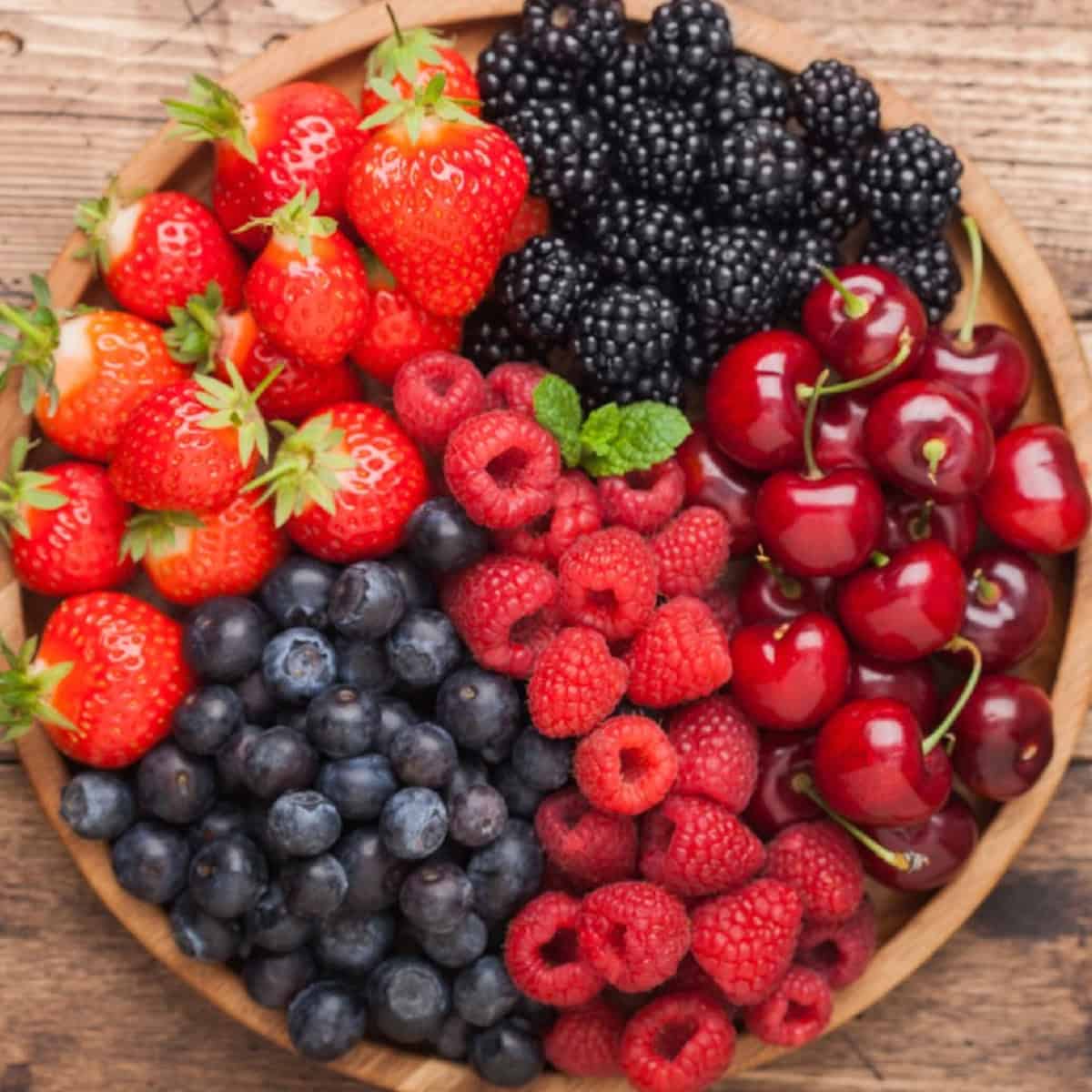
No matter your berry preference — strawberries, raspberries, blueberries, or blackberries — the golden rules of sorting, washing, and storage remain constant. Master these easy techniques to extend their freshness and get the most out of every pint.
Sorting your berries
If you’ve ever asked in a public forum about washing summer berries, you will get some very impassioned responses. Most berries are picked on a dry day and packed right in the field as they come off the bushes. By the time they get to your home kitchen, they are still coated in the dust and dirt from the field. While most people agree that you should wash your berries, people like to argue over when and how.
However, the proper handling of berries starts before even thinking about washing or storing them. In fact, the first thing you should do when you get your berries home is to inspect and sort them.
Start by setting aside any broken or soft berries to eat that day or make into jam. Then, discard any crushed or moldy berries. Crushed berries cannot be cleaned, and one moldy berry can quickly spoil the whole pack, so remove them as soon as you spot them.
This initial step is key. Separating spoiled or damaged fruit immediately helps prevent early spoilage of the whole batch. Don’t skip this — it’s your first defense against waste.
Washing summer berries
Now that your berries are sorted and inspected, let’s return to the argument about when to wash them. People who believe that it’s important to wash berries as soon as possible believe that washing the berries prevents the whole pack from spoiling. Meanwhile, those who believe it’s better to wash as you eat believe that the act of washing is what makes them go moldy in the first place.
The truth is that they are both right, and they are both wrong. Berries don’t mold because they are or are not washed. They mold because of excess moisture, the enemy of the berry. This moisture can come from condensation in the packaging, juice from crushed or broken berries, or leftover water from being washed. The choice of when to wash should be made depending on what you are doing with your berries and how you want to store them.

Ultimately, it’s not about the timing but the drying. Wet berries breed mold fast, so if you wash them, make sure they’re completely dry before storing.
Berries don’t need soap or special fruit washes — most of which are mainly vinegar with much higher price tags — to be clean enough to eat. If the plan is to eat or freeze them immediately, a simple rinse under running water will suffice.
If you want to wash your berries before storing them in the fridge, vinegar, like freezing, can help kill off any microspores of mold you may not be able to see. Fill a small tub or bowl with three or four cups of cold water and one cup of basic white vinegar.
Allow the berries to soak for up to five minutes, then rinse with clean water to remove any lingering vinegar smell or taste. The low ratio of vinegar to water should prevent the berries from tasting pickled once rinsed and dried.
“Living in an area that’s rich in local, seasonal growers, I love buying summer berries from nearby farms by the bushel and freezing them for use later in the year. This helps me ensure my kids get the freshest, best-tasting berries around, and it also helps support the local agricultural economy.”
— Ksenia Prints, At the Immigrant’s Table
Storing berries
For maximum shelf life, berries should be dried thoroughly and stored in cool, dark places. A fridge or freezer works best. After washing, rinsing, and draining your berries, lay them on a clean towel and let them air dry.
Speed up the process by gently patting them with a paper towel. Just be careful not to crush delicate berries like raspberries.
Pro tip: Place the berries on a rimmed cookie sheet to make it easy to move them around, keeping your counters accessible for other things.
Refrigerator
If you will be eating them in the next three to five days, the refrigerator is your best option. Regardless of when you choose to wash them, inspect the berries for mold, moisture, and broken berries.
Ensure the berries have had plenty of time to dry, then place them into a clean, dry, and ventilated container. Washing and reusing the plastic clamshell they were sold in is perfectly fine. If there is a moisture-absorbing liner in the container, check to ensure it’s dry. If not, remove it and consider replacing it with a paper towel to help absorb any berry juice.
Avoid airtight containers unless they’re specifically designed for produce. A little airflow helps prevent that dreaded fuzzy mold.
Remember: moisture is the enemy of a good berry.
Freezer
If you want to extend the life of your berries even longer, the freezer is a good option. It will lock in that fresh-from-the-berry-bush flavor and prevent the berries from going bad before you can eat them. While frozen berries may not retain their shape perfectly when they thaw, you can use them in smoothies, eat them on their own as a frozen treat, or use them in recipes that call for frozen berries.
To freeze your berries, start with clean, dry berries and place them in a single layer on a cookie sheet. Freeze until solid (two to six hours, depending on freezer settings and berry size). Transfer them to a freezer-safe, airtight container to prevent them from absorbing any off flavors, and then return them to the freezer.
Consider labeling with the date so you can rotate your stock. Frozen berries are best used within six months for optimal taste and texture.
Unlike refrigerated berries, frozen berries aren’t at risk of molding. Berries should last in the freezer for about six months.
Preserving summer berries
With a little care and planning, you don’t have to let summer berries go to waste. You can enjoy the tantalizing flavors of summer berries for longer by implementing proper sorting, washing, and storage techniques. These simple steps help lock in flavor, prevent spoilage, and stretch the joy of berry season all year long.