

Good seasoning can be the difference between a bland dish and a flavorful one. What many don’t realize is how simple and affordable it is to make your own custom blends at home. From classic to creative, discover how to create homemade seasoning blends right in your kitchen.
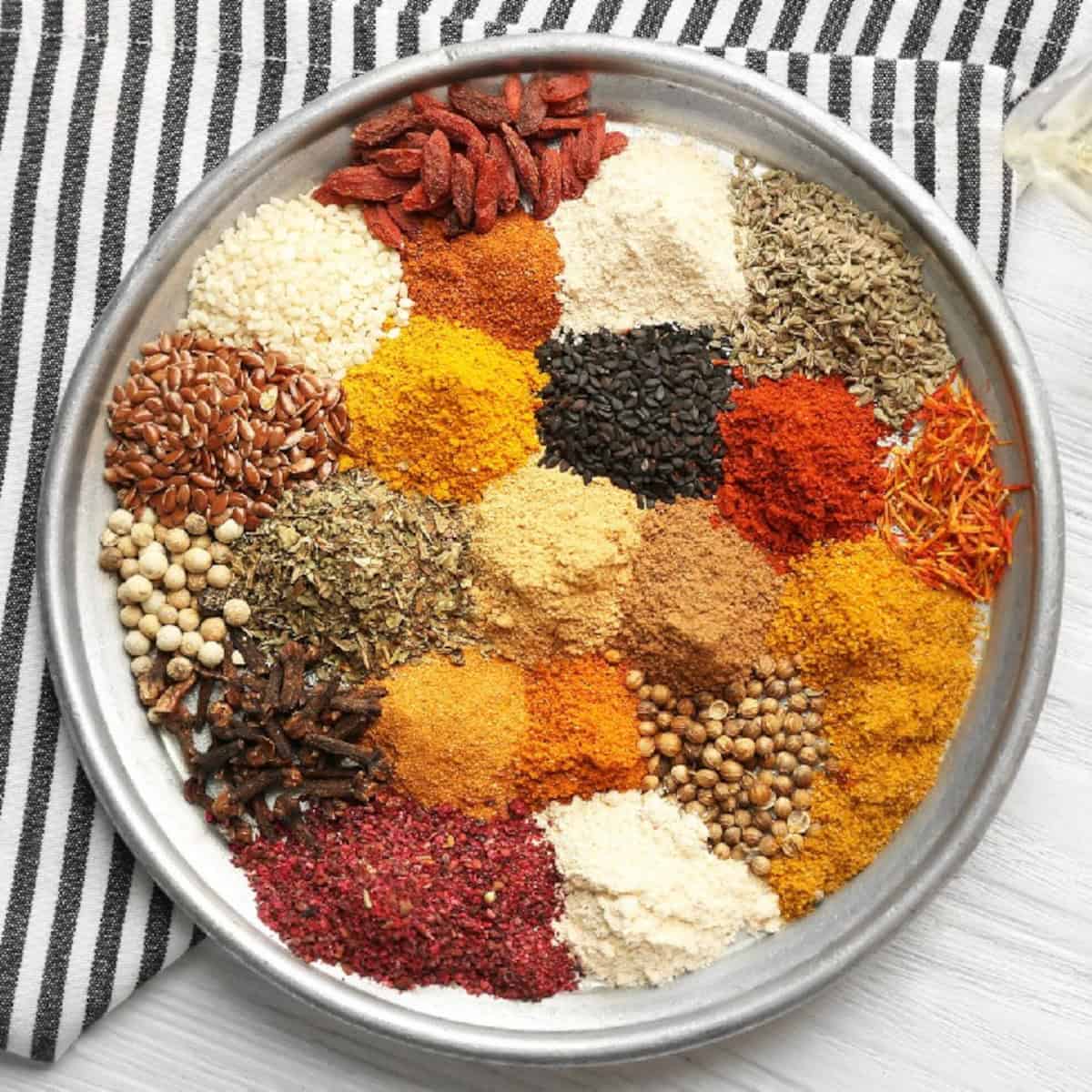
Store-bought seasonings can be surprisingly expensive for the small amounts you get. Worse, they often fall short on flavor, leaving your dishes tasting flat or underwhelming. Many mass-produced blends may contain low-quality or aged herbs and spices. Making your own ensures you get vibrant, full-bodied flavor while saving some serious cash.
Benefits of homemade
Buying seasoning ingredients in bulk and then mixing them at home can lead to significant savings over time. A tiny bottle at the store might set you back up to $15, and it barely lasts a few weeks if you cook often. Crafting your own at home means you’ll always have a flavorful stash ready to go, without the premium price tag.
When buying single spices and herbs to create your own seasoning blends, you can also ensure that your ingredients are fresh and not expired for maximum flavor potency. Not only do homemade blends pack a bigger punch, but they’re endlessly customizable. You can adjust ingredients to match your palate, whether you like it smoky, spicy, sweet, or bold.
If you are sensitive to sodium, have a food allergy, or are wary of additives and preservatives, making your own seasonings is the perfect way to have complete control of the ingredients. It’s also an excellent solution for anyone following specific dietary restrictions like gluten-free, paleo, or Whole30.
“I frequently make my own garam masala at home. There’s no one right way to make this blend because it’s so specific to each household. My recipe comes from my mom, and it reminds me so much of my childhood — plus it tastes fantastic.”
— Shruthi Baskaran-Makanju, Urban Farmie
Essential tools and ingredients
When building a seasoning-making pantry, you will want to keep certain basics on hand. Start with basic spices such as salt, pepper, garlic powder, paprika, cumin, and oregano. Other great staples include chili powder, coriander, dried parsley, and smoked paprika for a wide flavor range.
Certain tools will come in handy, especially if you plan on grinding whole spices to create blends. A mortar and pestle or a spice grinder can help break these down. You will also need accurate measuring spoons to make your blends perfectly again and again. Labeling tools, like tape or a marker, and resealable jars or tins will help keep your creations organized and fresh.
How to create your own seasoning blends
There is more than one approach that you can take when creating a seasoning blend. Firstly, you can simply experiment, mix and match ingredients, tasting along the way until you are happy with what you’ve created. This freestyle method is perfect for those who love to play with flavor and go beyond traditional pairings.
If you prefer a more traditional and methodical approach, look at the ingredients of a favorite store-bought seasoning blend and try to recreate it. When looking at an ingredients list, keep in mind that the first ingredient is always the largest by volume.
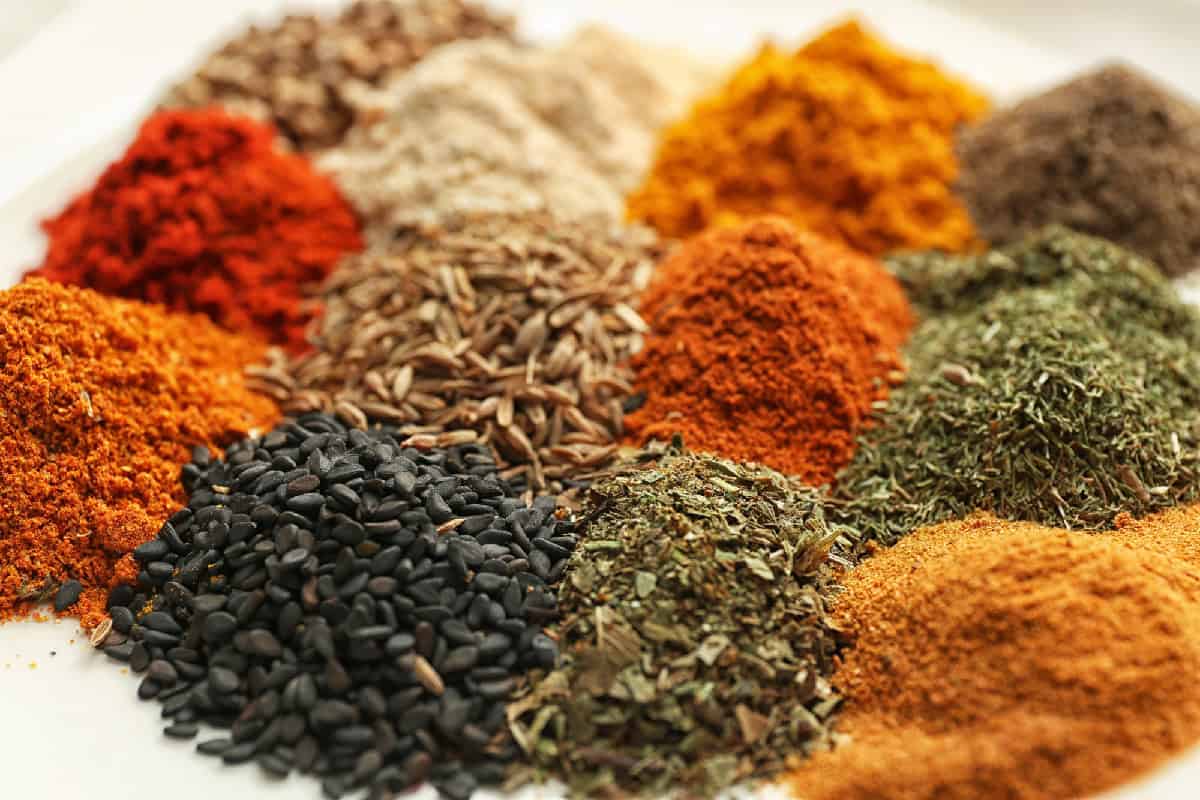
Start with a small test batch — a few teaspoons at most — so you can adjust easily without wasting spices. Document the ingredients and the amounts of each so you can make it again and learn from your homegrown recipes. Put a sprinkle on something simple like a piece of bread or a cracker to get an idea of how well your blend is developing, and tweak it from there.
To ensure your seasoning blends are as potent as possible, purchase whole spices and herbs. Break them down using a mortar and pestle or a spice grinder before combining them for your homemade blends.
Whether creating something out of the box or a well-known blend, always keep flavor profiles in mind to achieve a balance of flavors. The best blends layer multiple taste elements — think sweet cinnamon balanced with spicy chili or herby thyme mellowed by a pinch of salt. If any one flavor is overpowering, adjust it by adding more of an ingredient that will counterbalance it and help create a harmonious blend. For instance, add a bit of sweetness if a blend turns out to be too bitter. If a blend is too sweet, add warmth and spiciness, which pairs well with sweet and can help achieve an overall balance of flavors.
“I always make my own taco seasoning because it’s so easy, and I already have all the spices on hand. Plus, I avoid the unknown additives that can come with store-bought versions.”
— Sharon Rhodes, The Honour System
Popular seasoning blends
Here are some seasoning blends that are perfect for the home cook to start out with. These can be used in a large variety of dishes and are also super easy to throw together at home.
Italian seasoning
Italian seasoning often contains a blend of basil, oregano, thyme, rosemary, and marjoram. You can keep these dried herbs whole or lightly crushed for the best results. This is an excellent blend to add to pasta, pizza sauce, garlic bread, and tomato soup.
Adobo seasoning
With Spanish and Filipino origins, adobe seasoning often consists of a blend of garlic powder, onion powder, salt, pepper, oregano, bay, and turmeric. This savory blend is excellent to use as a dry rub for meat, mixed with juice or vinegar as a marinade, or blended into sauces.
Curry powder
Curry powder is a seasoning invented by the British but inspired by the flavors of Indian dishes. This flavorful blend commonly uses a mix of turmeric, cumin, coriander, ginger, mustard seed, cinnamon, black pepper, and cardamom. It is perfect for mixing with coconut milk or heavy cream to create the base of a curry or to make a flavorful sauce for stir-fried noodles.
Guacamole seasoning
A good guacamole should be flavorful, and homemade guacamole seasoning outshines those little packets you can find at your local grocery store. A good blend usually contains salt, cumin, garlic powder, onion powder, dried cilantro, and some heat from red chili flakes. Apart from its obvious use, this blend is also delicious sprinkled into quesadillas, burritos, or even baked potatoes.
Herbs de Provence
Herbs de Provence is a French seasoning blend consisting of lavender, thyme, rosemary, fennel, marjoram, and savory. It is a classic, all-purpose blend perfect for seasoning meat or fish or mixing into stews or marinades.
Baharat seasoning
Baharat spice mix is a Middle Eastern seasoning blend that combines black pepper, coriander, cumin, cinnamon, smoked paprika, nutmeg, cloves, cardamom, and sometimes dried mint. Its warmth enriches savory soups, stews, dips, and spreads.
“I prefer making my own ranch seasoning at home. It’s easy, and it just tastes better! I know what’s in it, and I can tweak it to get it exactly how I like it. I use it to make dips, sprinkle on popcorn or french fries, mix it into mashed potatoes, as a seasoning for grilled chicken or fish, and more!”
— Kristin King, Dizzy Busy and Hungry
Storing and using your blends
To ensure your blends maintain their flavor and last a good while, keep them stored in airtight containers away from bright, warm environments. Light and heat can cause spices to lose their punch quickly, so stash them in a dark cabinet or drawer. A cool, shady corner of a pantry works best.
A final note
Whether you are ready to create the next great seasoning blend or want to recreate your favorites at home, the perfect blend is within reach right at home. Making your own spices is empowering — it gives you complete control over flavor, freshness, and nutrition. From simple to complex, watch your confidence and wallet grow as you explore the multitude of flavors right at your fingertips.