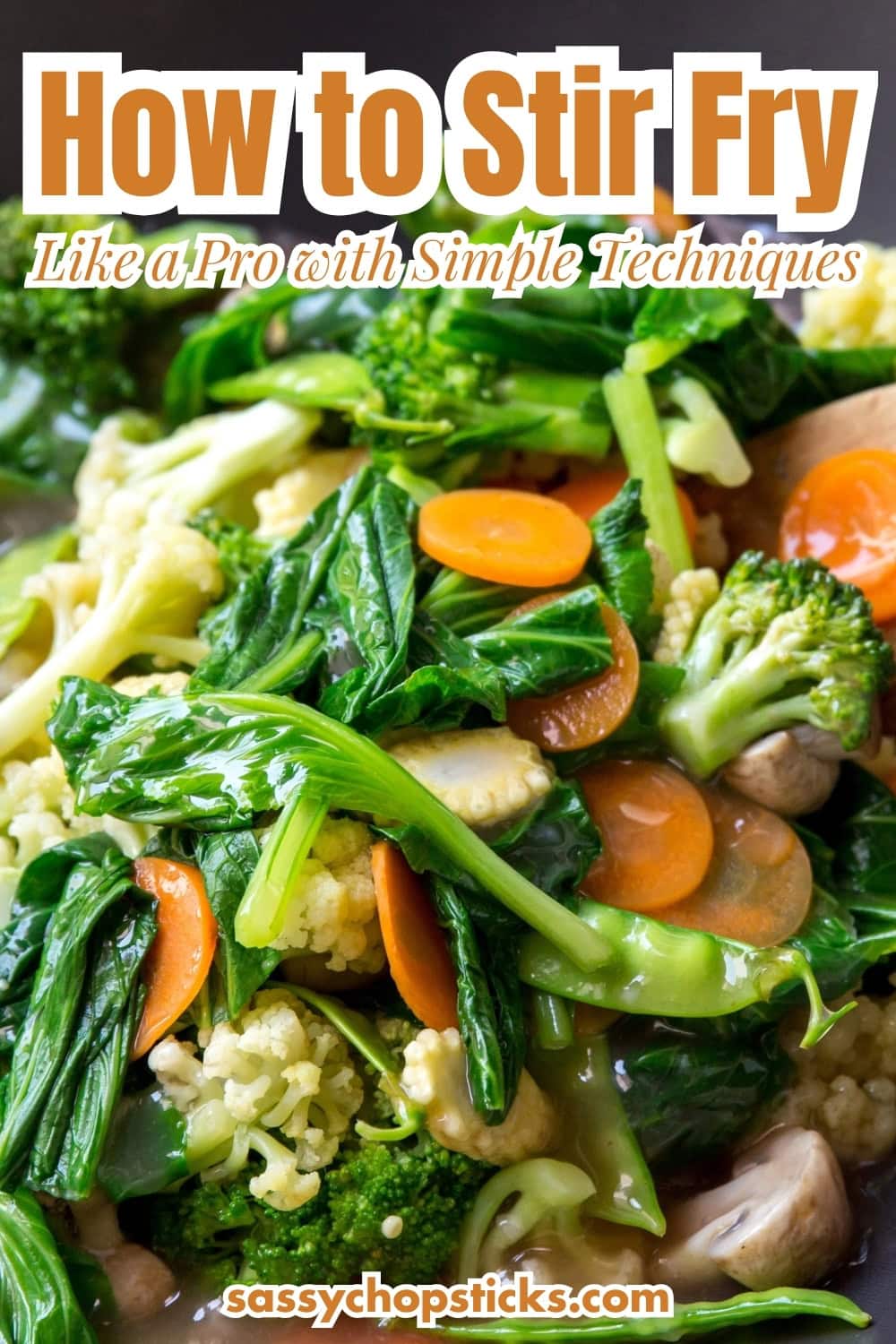
Learning how to stir fry is one of those kitchen skills that can completely change the way you cook weeknight meals. Once you understand the basic technique, you can turn a handful of vegetables, a little protein, and a simple sauce into a hot, flavorful dinner in minutes.
It is fast, flexible, and especially useful when you have odds and ends in the refrigerator that need to be used.
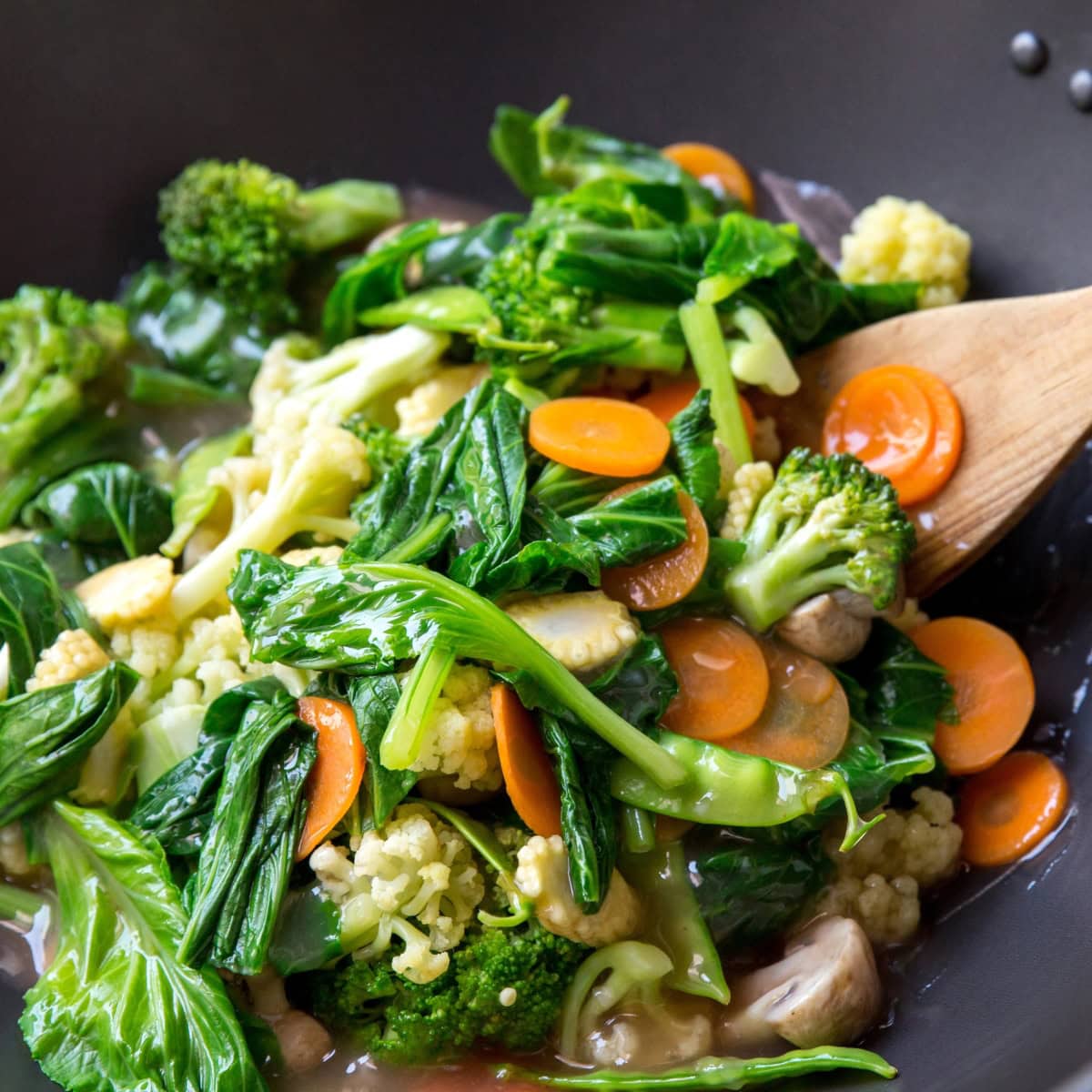
I grew up around stir frying, and one thing I learned early is that it isn’t about tossing everything into a pan at once. The order matters. So does the heat. Ingredients are added according to their cooking times, while constant stirring keeps everything moving. When done properly, the veggies stay colorful and crisp, the protein remains tender, and the sauce lightly coats every bite instead of pooling at the bottom.
If you have ever wondered how to make stir-fry, what to put in it, or why your homemade version turns watery instead of sizzling, this guide covers the simple techniques you need. Once you know the basic stir fry steps, you can create countless combinations without following a strict recipe every time.
Ingredients You Need for a Basic Stir Fry
A good stir fry doesn’t require a long list of ingredients. Think of these as building blocks rather than strict requirements; you can adjust them depending on what you have and what you love.
- Cooking oil: Choose a neutral, high-heat oil such as avocado, peanut, canola, or vegetable oil.
- Garlic: Fresh minced garlic adds an unmistakable savory aroma and should be cooked briefly so it doesn’t burn.
- Protein: Thinly sliced chicken, beef, pork, shrimp, or tofu can turn a vegetable stir fry into a complete meal.
- Veggies: Broccoli, bell pepper, bok choy, carrots, mushrooms, snap peas, cabbage, and onions are all excellent choices.
- Soy sauce: This provides the salty, savory backbone of a simple stir fry sauce.
- Sugar: A small amount balances salty ingredients and helps round out the sauce.
- Cornstarch: Use it to lightly coat meat or thicken the sauce for that glossy restaurant-style finish.
- Water or broth: A splash helps loosen concentrated sauces and brings the flavors together.
- Rice: Freshly steamed white or brown rice is an easy way to turn your stir fry into a satisfying meal.
One of the best things about this cooking method is how forgiving the ingredient list can be. If you’re asking yourself, “What do I need for a stir fry?” the simplest answer is oil, aromatics, vegetables or protein, and sauce.
How to Stir Fry Step by Step
The best way to cook stir fry is to prepare everything before the pan gets hot. Stir frying happens quickly, so there won’t be much time to chop vegetables or measure a tablespoon of sauce once you start cooking.
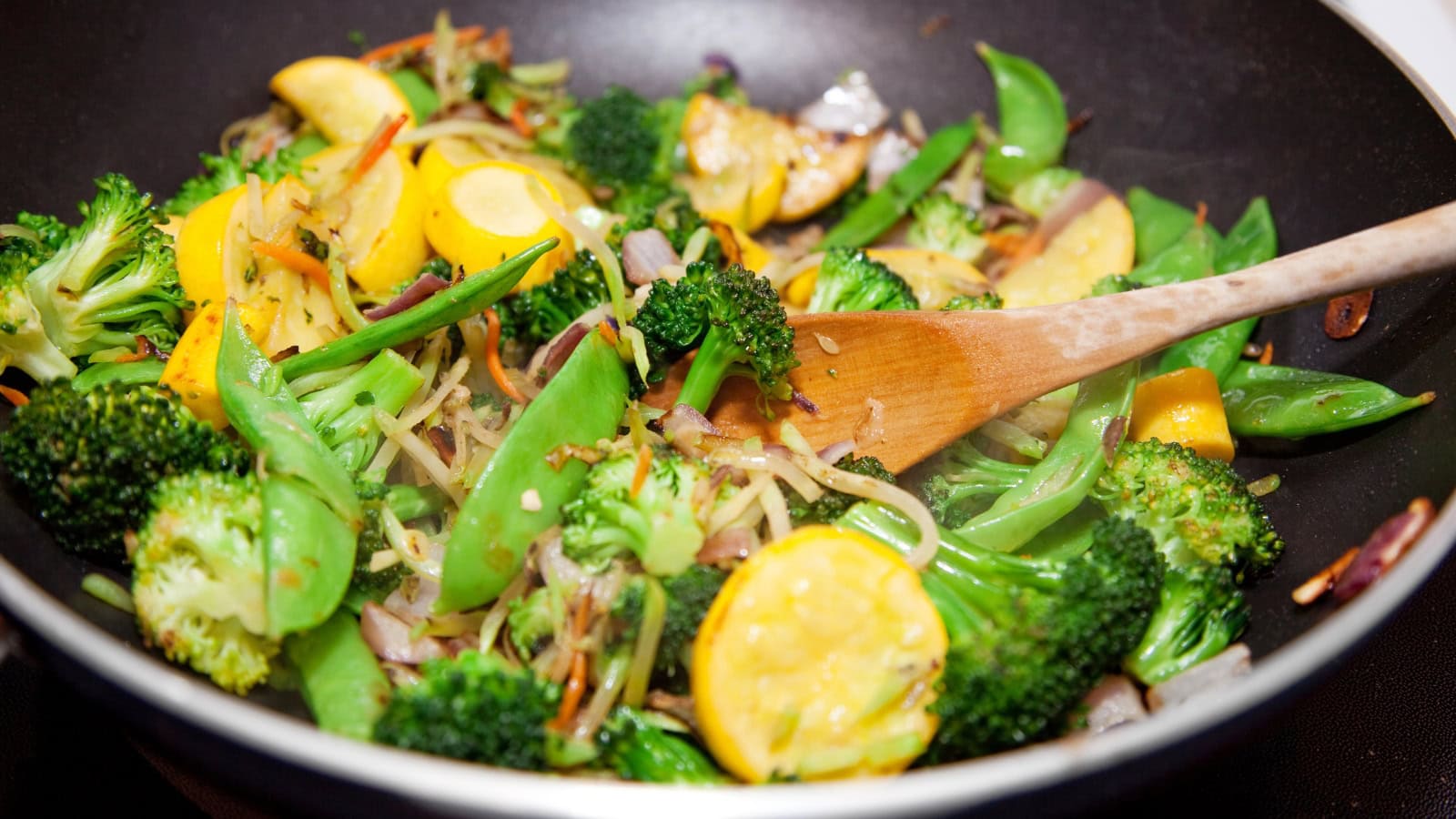
Prepare all the ingredients: Cut vegetables into similar-sized pieces so they cook evenly. Slice meat thinly against the grain and pat ingredients dry whenever possible. Excess moisture creates steam, which can make vegetables soft rather than crisp.
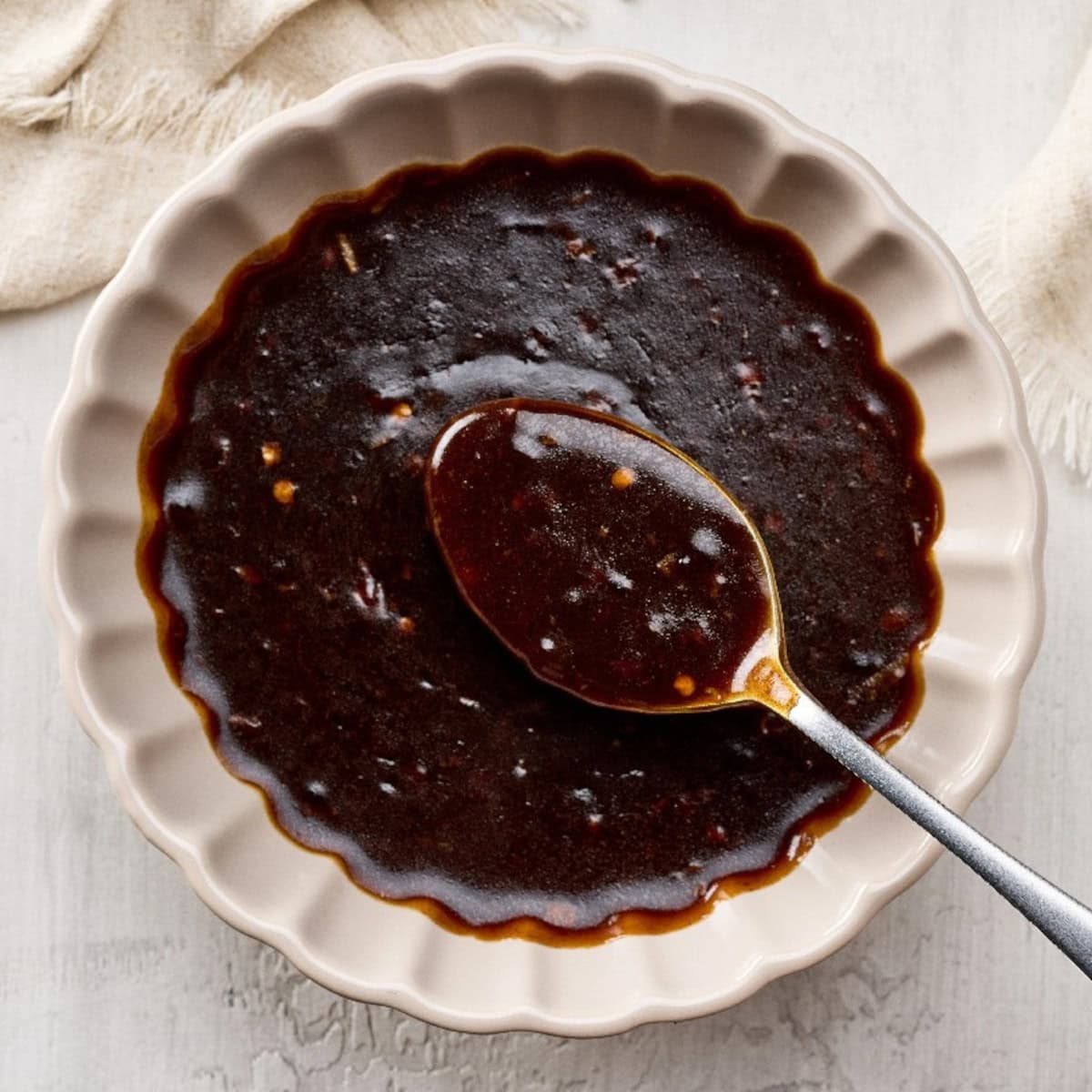
Mix the stir fry sauce: Combine soy sauce with a little water or broth, sugar, and cornstarch if you want a thicker finish. You can also add sesame oil, oyster sauce, rice vinegar, or chili sauce depending on the flavor you’re after.
Heat the wok or pan: Place a wok or large skillet over medium-high to high heat. Let it become properly hot before adding oil. This initial heat is an important part of successful stir frying.
Cook the protein: Add the chicken, beef, pork, shrimp, or tofu in a single layer whenever possible. Cook until nearly done, stirring and tossing as necessary, then transfer it to a plate. Cooking protein separately helps prevent overcrowding.
Stir-fry the vegetables: Start with firm veggies such as carrots and broccoli, then add quicker-cooking veggies like bell pepper, mushrooms, and bok choy. Keep everything moving so the vegetables cook evenly while retaining some crunch.
Add the aromatics: Stir in the garlic and other aromatics near the end of cooking. They generally need only about 30 seconds to become fragrant.
Bring everything together: Return the protein to the pan, stir the prepared sauce again, and pour it in. Toss continuously for another minute or two until everything is hot and lightly coated.
Serve immediately: Take the stir fry off the heat as soon as everything is cooked. Serve it over warm rice or noodles while the vegetables are still crisp and the sauce is glossy.
Pro Tips for the Best Way to Cook a Stir Fry
If there’s one lesson worth remembering when learning to stir-fry in a pan or wok, it’s this: preparation takes longer than cooking. I like to have every bowl lined up beside the stove before turning on the burner. Once that familiar garlic-and-soy aroma hits the hot pan, things move quickly.
Avoid overcrowding your wok or skillet. Too many ingredients lower the pan temperature and release moisture, leaving you with steamed vegetables. If you’re preparing a large batch of fries, cook them in batches instead.
A wok is traditional, but you absolutely don’t need one. A wide skillet works beautifully for a quick and easy stir-fry because its broad surface gives ingredients room to come into contact with the heat.
Another common question is: how long does stir fry take to cook? Once everything is chopped and ready, the actual cooking time is often around 10 minutes, depending on the protein and vegetables. That’s exactly why stir fry recipes are so handy on busy evenings.
Storing and Reheating Stir Fry
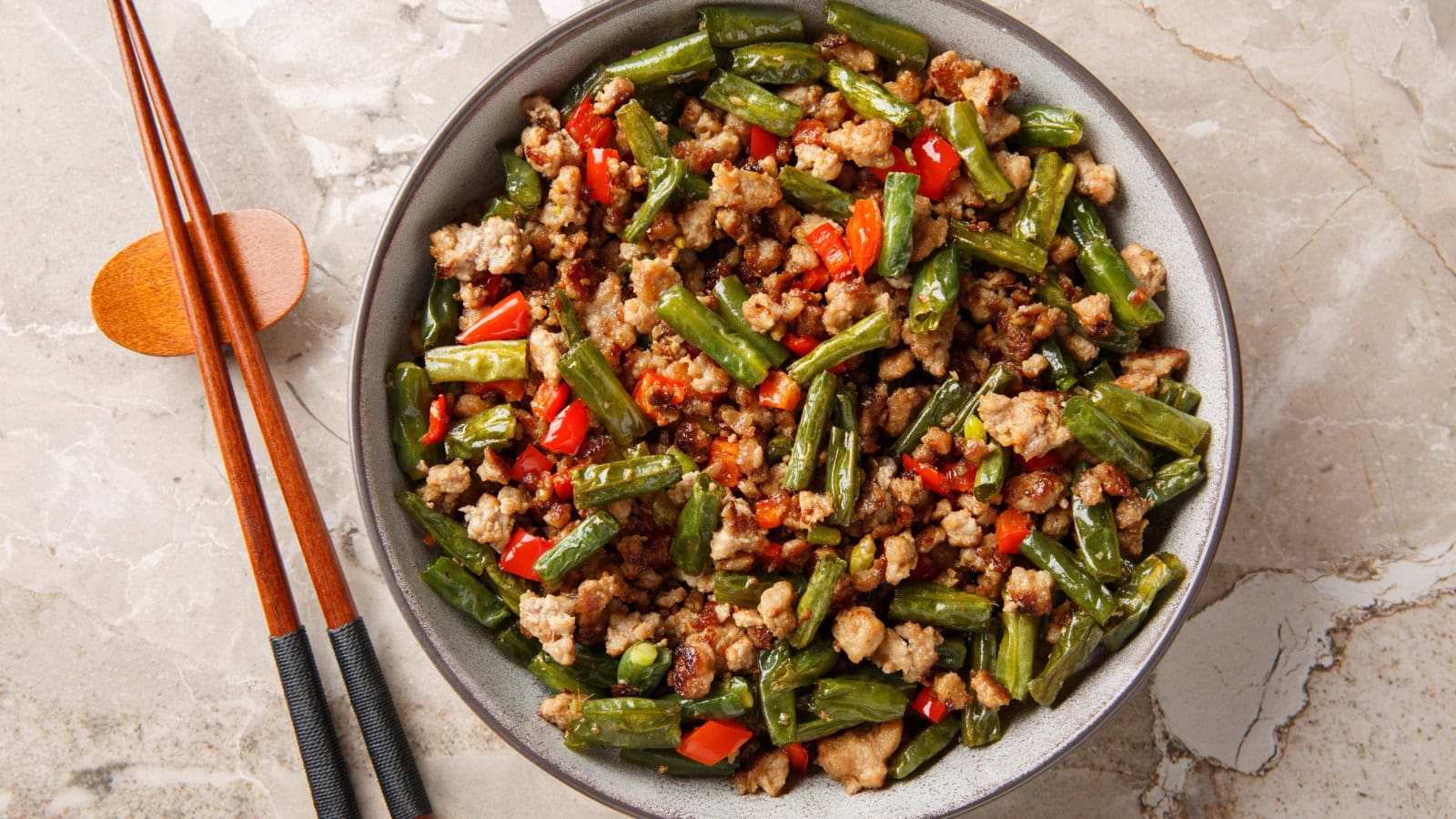
Stir fry tastes best straight from the pan, but leftovers can still make an excellent lunch. Allow everything to cool before transferring it to an airtight container and refrigerating it for about 3 to 4 days.
For reheating, I prefer a skillet over the microwave. Add the leftovers to a hot pan with a tiny splash of water and stir for a few minutes until warmed through. This helps the veggies retain more texture. The microwave works when you’re short on time, although vegetables may become softer.
Easy Stir Fry Variations
Once you’ve mastered a basic stir fry, the same technique can take you in dozens of directions. For how to stir-fry chicken or beef, slice the meat thinly and cook it first, then remove it from the pan temporarily. For how to stir fry tofu, use firm or extra-firm tofu and brown it before adding vegetables.
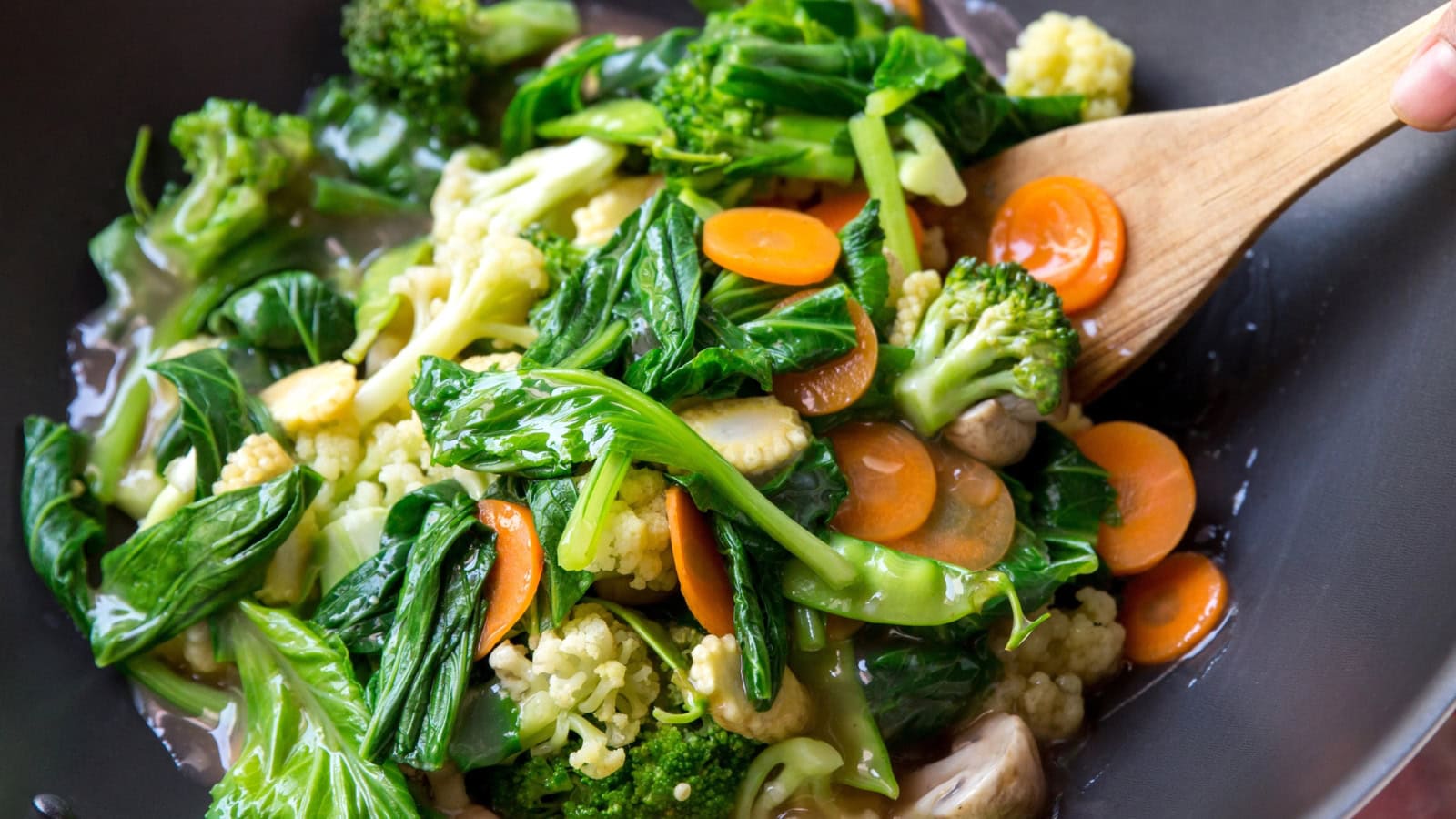
If you’re learning how to stir-fry vegetables, remember to add them according to their firmness. Broccoli and carrots go in earlier, while bok choy leaves and other tender greens go in later. The same principle helps when figuring out how to stir fry broccoli or how to stir fry bok choy without overcooking them.
Frozen vegetables also work, although they can release extra moisture. When learning how to stir fry frozen vegetables, use a very hot, roomy pan and avoid thawing them first.
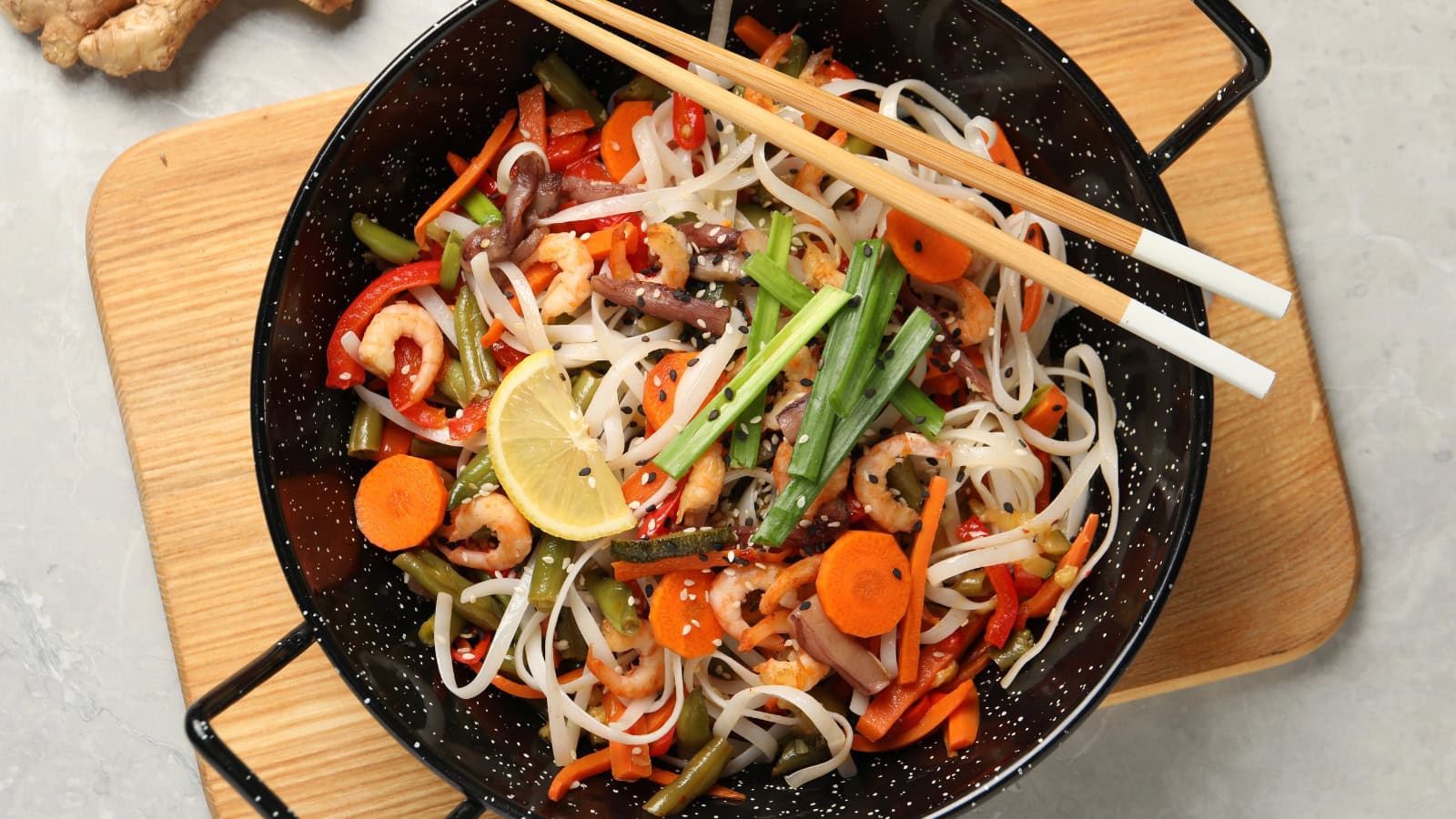
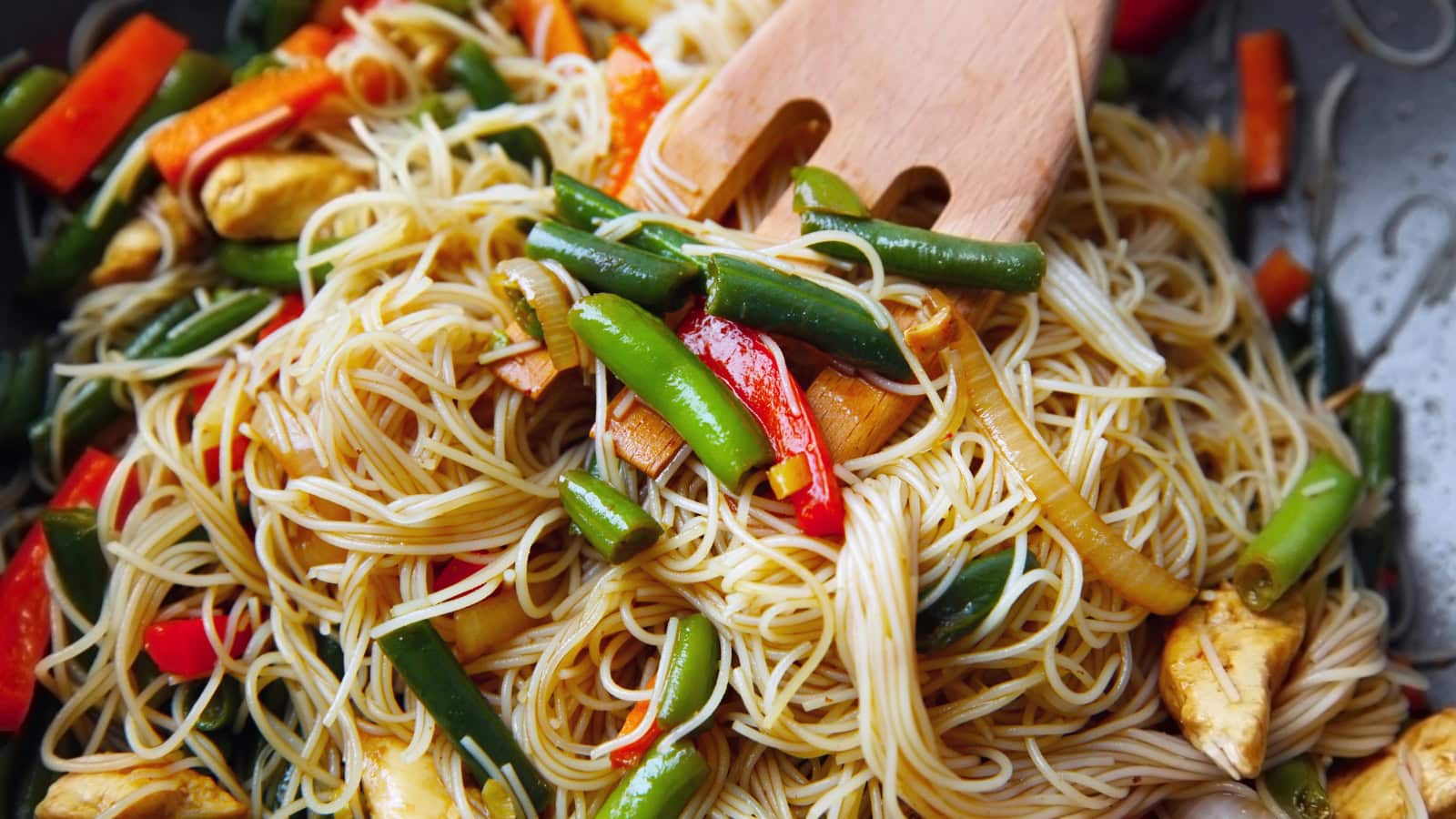
You can also turn the technique toward noodles. If you’re wondering how to stir-fry noodles, cook or soak the noodles according to the package directions first, drain them well, and add them near the end with the sauce. Even potatoes can be stir-fried when sliced thinly or partially cooked beforehand.
What to Serve With a Simple Stir Fry
The easiest pairing is steamed jasmine rice, but brown rice, fried rice, or noodles are equally good choices. For a lighter dinner, serve your stir-fried vegetables and protein alongside cucumber salad, steamed greens, or a simple soup.
Because the flavors are so adaptable, you can also build a larger Chinese-inspired meal around your stir fry. Dumplings, egg rolls, spring rolls, egg drop soup, smashed cucumber salad, or another vegetable dish all fit naturally alongside it.
Final Thoughts
Knowing how to make simple stir-fry is less about memorizing a recipe and more about understanding a rhythm: prepare first, get the pan hot, cook the ingredients in the right order, keep them moving, and add the sauce near the end.
Once that rhythm becomes familiar, you may find yourself stir-frying without thinking much about exact measurements. That’s part of what I love about this method. A pepper, some broccoli, leftover chicken, and a little soy sauce can suddenly become dinner.
Keep your first few attempts simple. With a hot pan and properly prepared ingredients, even the easiest stir fry can taste wonderfully fresh, savory, and satisfying.
FAQ
Most stir-fries take approximately 8 to 12 minutes of actual cooking time once the ingredients are prepared. Thinly sliced ingredients cook especially quickly. Preparation usually takes longer than the frying itself.
High heat, a sufficiently large pan, and proper preparation make the biggest difference. Don’t overcrowd the pan, and have everything chopped and measured before cooking begins. Adding ingredients according to their cooking times also prevents some pieces from becoming mushy while others remain raw.
Start with dry vegetables and a properly heated wok or skillet. Don’t overcrowd the pan, and add harder vegetables first. Avoid pouring in too much sauce or liquid, especially early in the cooking process.
For a basic stir fry sauce, soy sauce can be combined with water or broth, a touch of sugar, and a little cornstarch. From there, customize it with sesame oil, rice vinegar, ginger, chili sauce, or oyster sauce.
Absolutely. If you’re wondering how to stir fry vegetables in a pan, choose your widest skillet and heat it thoroughly before adding the oil. A large skillet gives the ingredients enough room to sear instead of steam, making it a practical alternative to a wok.