If you ever need a substitute for light soy sauce halfway through making dinner. Regular all-purpose soy sauce is usually the easiest option. Tamari, coconut aminos, and liquid aminos can also work, depending on the flavor you want and what’s already in your pantry.
My advice is to keep the swap simple. You don’t need a complicated homemade mixture for a spoonful of seasoning. Start with the closest match, then adjust before adding more. Here’s how to choose a light soy sauce substitute without throwing off your stir-fry, noodles, or dipping sauce.
What Is Light Soy Sauce?
Chinese light soy sauce, called sheng chou, is a thin, savory seasoning used in marinades, stir-fries, soups, and sauces. It adds saltiness and umami without the deep coloring associated with Chinese dark soy sauce.
The word “light” describes the style, not reduced sodium. A bottle labeled “less sodium” is a different product category. Japanese light soy sauce, or usukuchi, is also a different style, so the country of origin matters when reading labels. This guide focuses on replacing Chinese light soy sauce.
Choosing a Light Soy Sauce Substitute
Regular all-purpose soy sauce is the easiest place to start. Tamari offers a fuller soy flavor, while coconut aminos provide a sweeter, soy-free option. Liquid aminos and less-sodium soy sauce can also work with a little adjustment. Keep Chinese dark soy sauce as a last resort because it changes the color and flavor more noticeably.
The amounts below are starting points, since saltiness varies between brands. Add gradually and adjust to suit your recipe.
1. Regular All-Purpose Soy Sauce
Regular naturally brewed soy sauce is the most practical light soy sauce alternative for everyday cooking. It provides the salty, savory flavor you need without mixing several ingredients.
Start with an equal amount: use 1 tablespoon of regular soy sauce for 1 tablespoon of light soy sauce. For a delicate broth or dipping sauce, add a little less at first and taste before using the rest.
Kikkoman’s standard naturally brewed soy sauce is a useful example. Its flavor and color aren’t identical to Chinese light soy, but it can work in recipes calling for that style.
This is the option I’d suggest first if your only problem is an empty bottle. Save the more noticeable flavor changes for situations where you need a soy-free or gluten-free alternative.
2. Tamari
Tamari makes a useful soy sauce substitute when you want a rich, savory flavor. It works in noodle sauces, marinades, and vegetable dishes, though its fuller taste may be more noticeable in lightly seasoned food.
Start with 2 teaspoons for each tablespoon of light soy sauce, then add more if needed. This cautious starting amount lets you adjust for the particular bottle you’re using; it isn’t a fixed conversion for every brand.
If the recipe needs the full tablespoon of liquid, you can make up the remaining teaspoon with water. Otherwise, there’s no need to dilute it automatically.
Many tamari products are gluten-free, but not all are. Choose a bottle specifically labeled gluten-free if that matters for your cooking. Tamari still contains soy.
3. Coconut Aminos
Coconut aminos are a convenient option when you need a soy-free sauce substitute. They’re made from coconut sap and salt and have a sweeter, milder flavor than traditional soy sauce. Despite the name, they don’t taste like coconut.
Use 1 tablespoon of coconut aminos for each tablespoon of light soy sauce as a starting point. Because the flavor is less salty and a little sweeter, you may need to adjust the other seasonings.
For example, if your stir-fry sauce includes sugar or honey, hold some back until you’ve tasted the mixture. If the finished dish needs more saltiness, a small pinch of salt may work better than another large splash of aminos.
This substitution works especially well when the recipe already has several flavor components. Expect a more noticeable difference in a simple dipping sauce where soy sauce is the main ingredient.
4. Liquid Aminos
Liquid aminos are another savory option, but don’t confuse them with coconut aminos. Bragg Liquid Aminos, for example, is made from soybeans and water. It is gluten-free, but it isn’t soy-free.
For a cautious first addition, use 2 teaspoons in place of 1 tablespoon of light soy sauce, then adjust. Liquid aminos can be quite salty, so check the label and taste the sauce before adding any extra salt.
Try this option in a mixed stir-fry sauce or marinade where garlic, ginger, and other ingredients contribute flavor too. It won’t reproduce the exact character of brewed light soy, but it can supply useful savory seasoning.
5. Less-Sodium Soy Sauce
Less-sodium soy sauce can be a straightforward replacement if that’s the bottle you have. Start with the same amount the recipe calls for, then assess the finished dish.
Remember that a lower-sodium sauce may leave the recipe tasting less salty. That isn’t necessarily something you need to correct, especially if you chose it to reduce sodium. Adding extra sauce until it matches regular soy sauce’s saltiness can defeat that purpose.
For everyday cooking, I’d keep the original liquid amount and let the other ingredients do their part before deciding whether anything is missing.
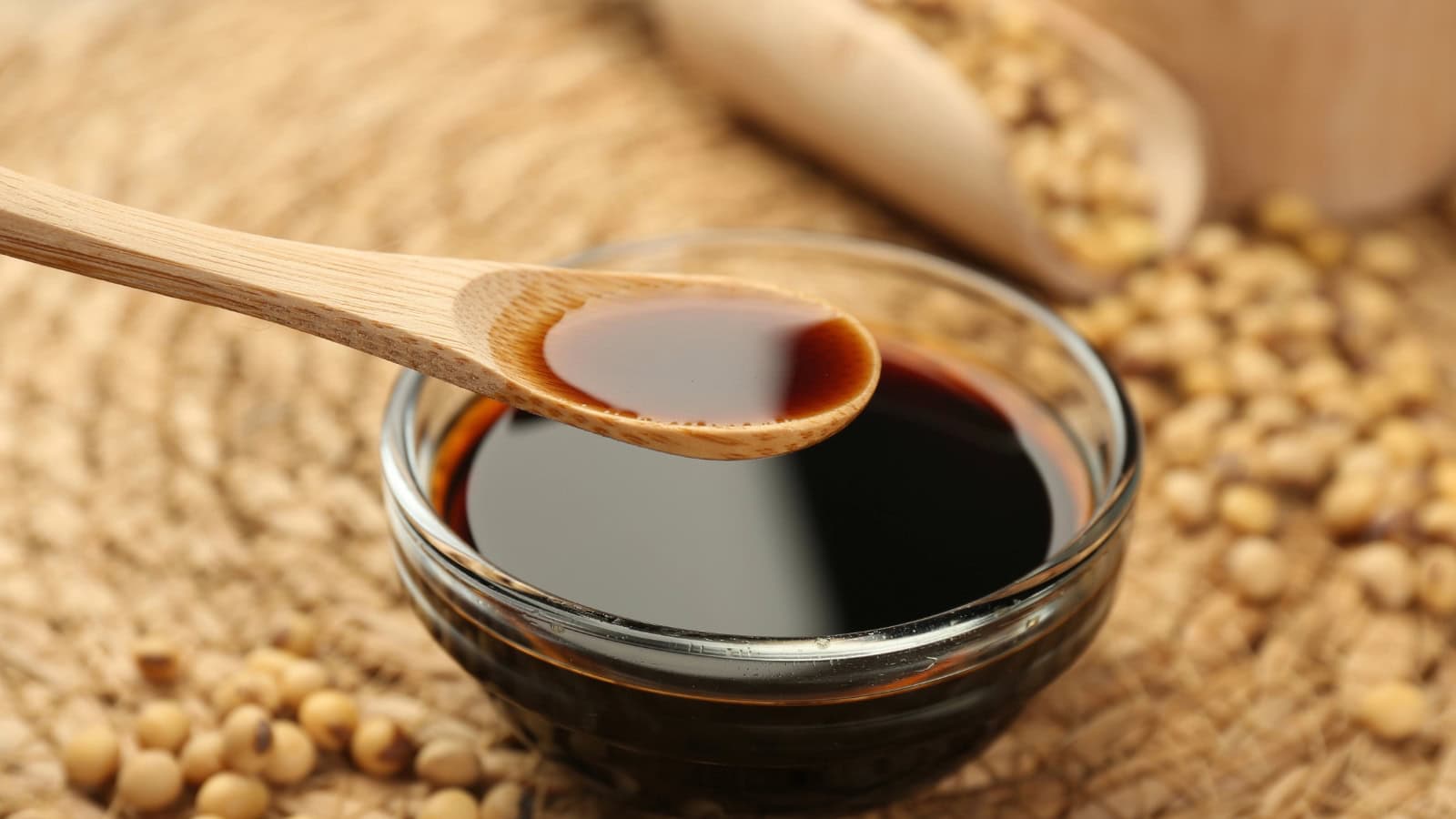
Can You Substitute Light Soy Sauce With Dark?
You can use Chinese dark soy sauce in a pinch, but it isn’t a direct one-for-one replacement. It contributes much deeper color and often has a sweeter, thicker character. A full tablespoon can change a dish’s appearance and balance considerably.
Start with a small splash. Add water separately if the recipe needs more liquid, then adjust saltiness as needed. Dilution reduces intensity, but it doesn’t turn dark soy into light soy sauce.
This workaround makes more sense in a dark braise such as soy sauce braised chicken drumsticks or a strongly flavored noodle dish than in a pale soup. If you also have regular all-purpose soy sauce, use that as your main substitute instead.
Final Thoughts
When you need to substitute light soy sauce, start with regular all-purpose soy sauce if you have it. Choose tamari or coconut aminos when your ingredients or dietary needs call for something different. A small adjustment is usually easier than rescuing an overly salty sauce, so add gradually and let the flavors come together.
FAQ
Yes. Regular all-purpose soy sauce generally works as a one-for-one starting substitute. The light soy sauce vs. regular comparison also depends on the label: in Chinese recipes, “regular soy sauce” may already mean Chinese light soy sauce.
You don’t need to make a separate mixture. Use regular soy sauce directly and adjust the amount to taste. Adding water only dilutes it; it doesn’t recreate the brewing style or flavor of Chinese light soy.
Standard Kikkoman Naturally Brewed Soy Sauce is Japanese koikuchi, not Chinese light soy sauce. It can still substitute for Chinese light soy in many recipes. Kikkoman sells several products, so check which bottle you have.
Examples include Pearl River Bridge Superior Light Soy Sauce, Lee Kum Kee Premium Soy Sauce, and Haitian Superior Light Soy Sauce. The best light soy sauce depends on your taste and what’s available. Check the specific product name because these brands also make other styles.