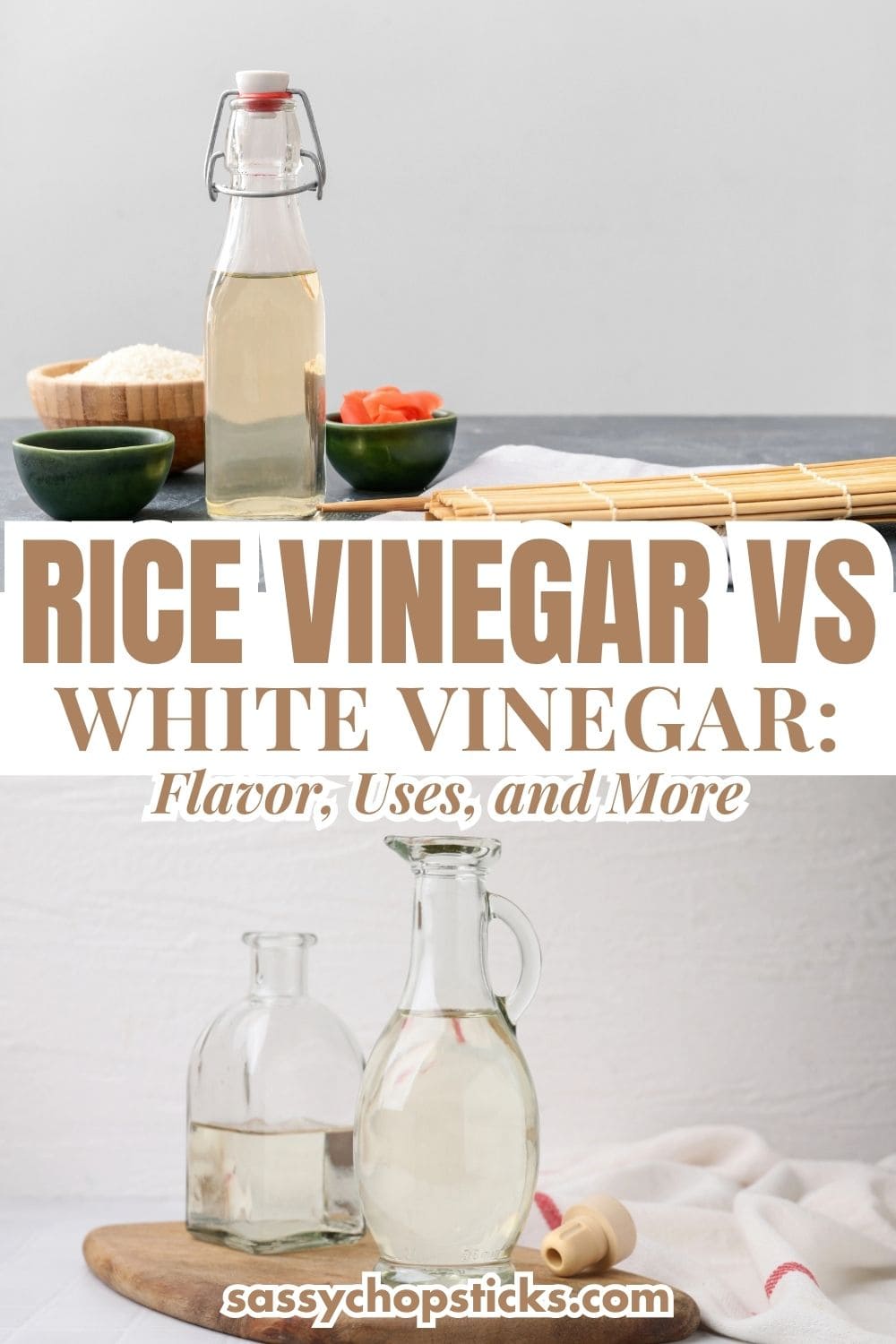
If you’ve ever reached for a bottle of vinegar and wondered whether the one in your pantry will work in your recipe, you’re not alone. Rice vinegar vs. white vinegar can be especially confusing because both add acidity to food, but they taste quite different.
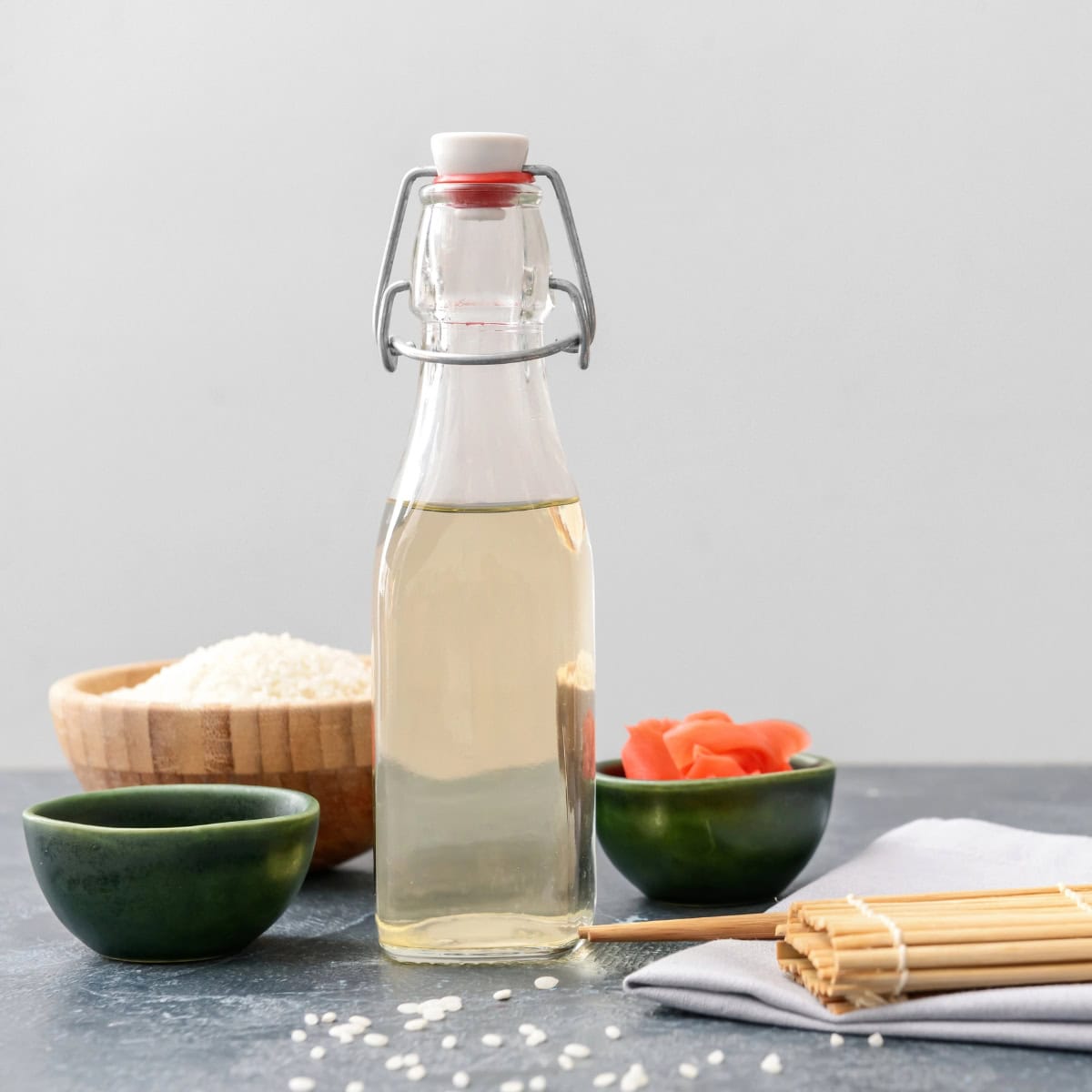
Rice vinegar is mild and slightly sweet and is commonly used in Asian cooking, while distilled white vinegar has a sharper, stronger bite. I almost always keep both around because I reach for rice vinegar when I want gentle acidity and white vinegar when I need something more assertive.
So, is rice vinegar the same as white vinegar? No, but you can sometimes substitute one for the other. Here’s the difference, when to use each one, and the best rice vinegar substitute when your bottle is empty.
What Is Rice Vinegar?
Rice vinegar is made from fermented rice and has a mild, clean acidity with a subtle sweetness. It’s commonly used for sushi rice, dipping sauces, salad dressings, marinades, stir-fries, and quick-pickled vegetables.
You may also see white rice vinegar at the grocery store. This is simply a common variety of rice vinegar and should not be confused with distilled white vinegar.
Seasoned rice vinegar is different, too. It usually has added sugar and salt, so keep that in mind when using it in a recipe that calls for plain rice vinegar.
What Is White Vinegar?
White vinegar, usually called distilled white vinegar, looks clear and has a much sharper, acidic flavor. It’s inexpensive and useful for cooking, baking, pickling, and household cleaning.
When comparing rice vinegar with vinegar like distilled white vinegar, flavor is the biggest difference. Rice vinegar blends gently into a dish, while white vinegar delivers a much stronger sour bite.
White vinegar also shouldn’t be confused with white wine vinegar. Despite their similar names, they are different products.
Rice Vinegar vs White Vinegar: What’s the Difference?
The main difference between white vinegar and rice vinegar comes down to flavor and intensity.
In terms of taste, rice vinegar is milder and slightly sweet, while distilled white vinegar is sharper and more acidic. That makes rice vinegar particularly good for delicate sauces and Asian dishes where you don’t want the acidity to dominate.
Acidity levels may also differ between products. This matters most for canning and preserving, where you should always use the vinegar and acidity specified by a tested recipe.
For everyday rice vinegar vs. white vinegar for cooking, either may work in certain recipes, but the final flavor won’t be identical.

Can I Use White Vinegar Instead of Rice Vinegar?
Yes, but make the swap carefully. If you’re wondering whether you can substitute white vinegar for rice vinegar, remember that distilled white vinegar tastes much sharper.
Start with less white vinegar than the recipe calls for, then adjust to taste. A small pinch of sugar can help recreate some of rice vinegar’s gentle sweetness.
This rice vinegar-for-white-vinegar approach works best in cooked sauces, marinades, and recipes where vinegar isn’t the dominant flavor. For sushi rice or delicate dipping sauces, I prefer a milder vinegar substitute, such as white wine vinegar.
Can Rice Vinegar Be Substituted for White Vinegar?
Yes, you can substitute rice vinegar for white vinegar in many everyday cooking situations.
Rice vinegar works in dressings, marinades, sauces, and quick pickles, but expect a softer, slightly sweeter result. You may need to adjust the seasoning to taste.
However, don’t casually substitute vinegars in shelf-stable canning recipes. The specified acidity can be important for food safety, so follow a tested recipe exactly.
Rice Vinegar vs White Vinegar for Sushi
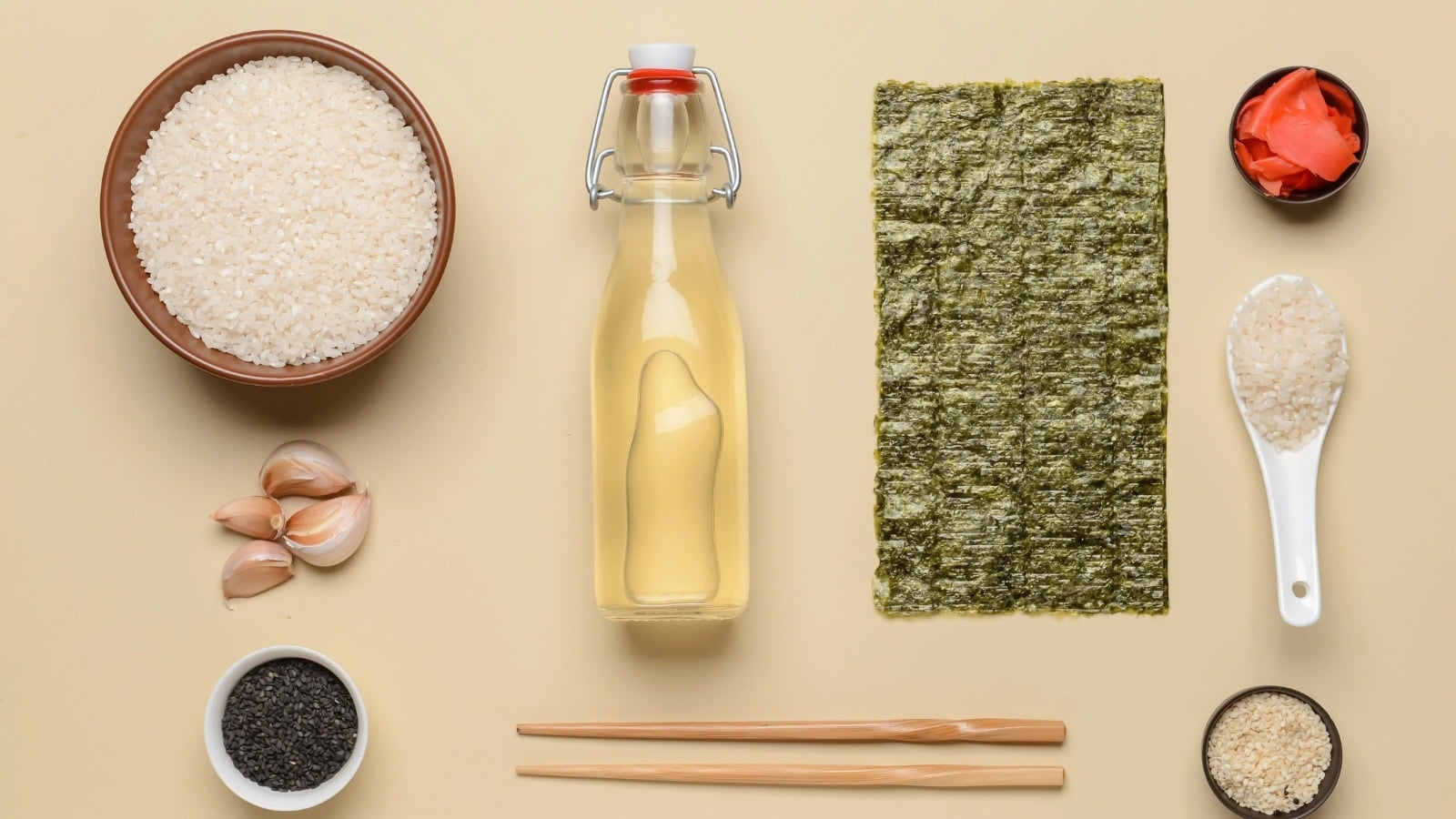
For rice vinegar vs white vinegar for sushi, rice vinegar is the better choice. Its mild acidity complements sushi rice without overpowering its delicate flavor.
Sushi rice is typically seasoned with rice vinegar, sugar, and salt. Seasoned rice vinegar may already contain sugar and salt, so check the label before adding additional seasoning. You can use that same combination to season the rice in avocado maki rolls. It also works beautifully in a homemade tuna avocado roll.
White vinegar is considerably harsher. You could adjust it in an emergency, but if I’m making sushi rice, I’d rather stick with rice vinegar.
Rice Vinegar vs White Vinegar for Pickling
When choosing between rice vinegar and white vinegar for pickling, think about the type of pickle you’re making.
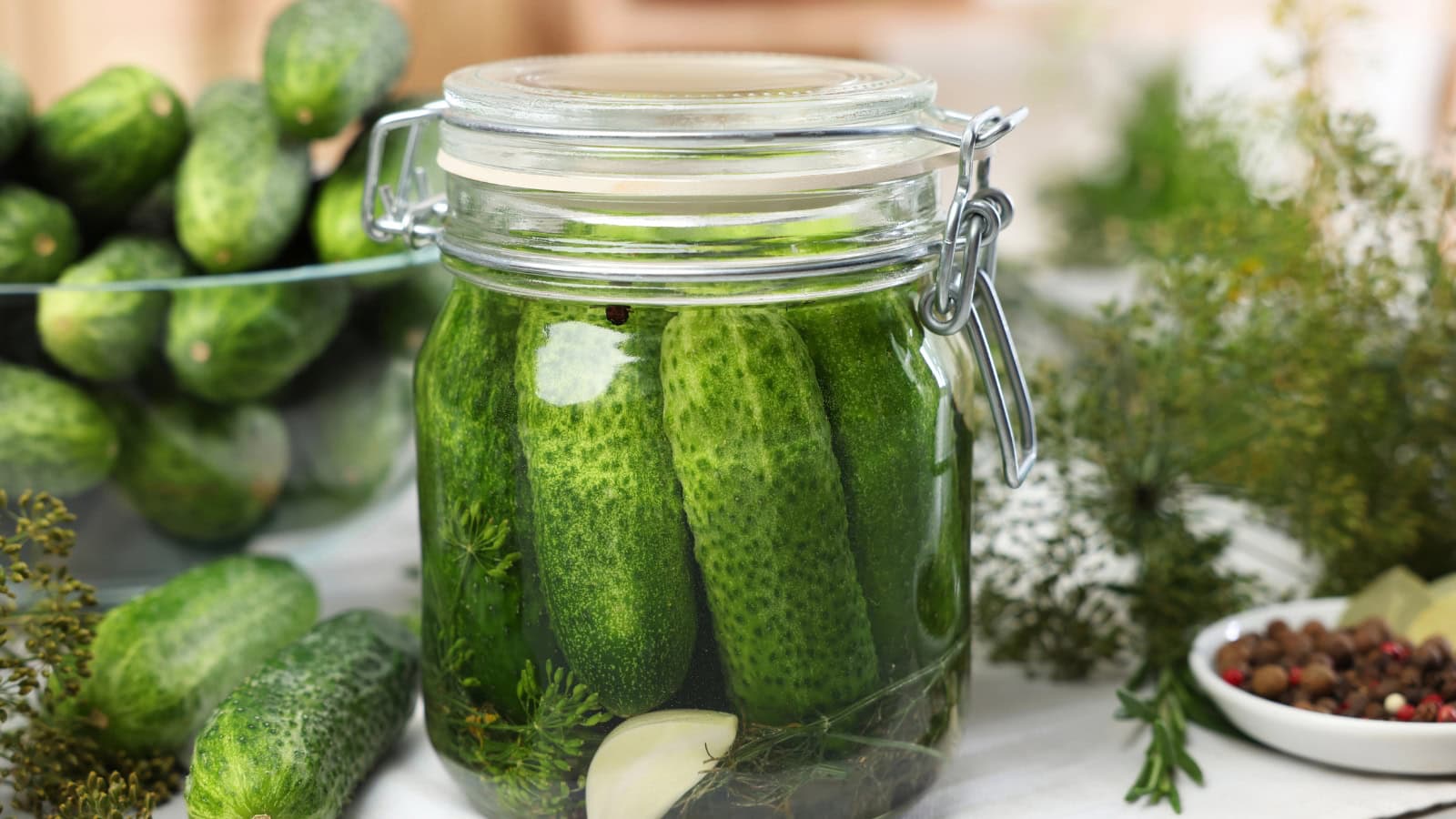
Rice vinegar is wonderful for quick refrigerator pickles because it gives cucumber, radish, carrot, and other vegetables a gentle tang. White vinegar produces a much sharper sour flavor.
For shelf-stable canned pickles, don’t choose based solely on taste. Use the vinegar type and acidity specified by a tested canning recipe.
Rice Vinegar vs White Vinegar for Cleaning
For rice vinegar vs white vinegar for cleaning, distilled white vinegar is the more practical choice. It’s inexpensive and commonly used for household cleaning, whereas rice vinegar is better saved for cooking.
Seasoned rice vinegar is especially unsuitable for cleaning because it may contain sugar and salt. Also, don’t use vinegar on every surface, especially acid-sensitive materials such as certain natural stones.
Rice Vinegar vs White Wine Vinegar
Rice vinegar vs white wine vinegar is a different comparison. White wine vinegar is made from wine and has a milder, more nuanced flavor than distilled white vinegar.
For this reason, a white wine vinegar substitute for rice vinegar often works very well. White wine vinegar is somewhat sharper, but it suits salad dressings, marinades, and sauces.
So, is rice vinegar the same as white wine vinegar? No. However, when comparing white wine vinegar vs. rice vinegar, they’re generally closer substitutes than rice vinegar and distilled white vinegar.
If you’re wondering if you can substitute rice vinegar for white wine vinegar, you usually can for everyday cooking. The same applies to many rice wine vinegar vs white wine vinegar swaps; simply expect a subtle change in flavor.
Rice Vinegar vs Apple Cider Vinegar
For rice vinegar vs apple cider vinegar, both have more character than distilled white vinegar, but in different ways. Rice vinegar is delicate and subtly sweet, while apple cider vinegar has a noticeably fruity tang.
Apple cider vinegar can substitute for rice vinegar in dressings, marinades, and quick pickles when its fruitier flavor suits the dish. Both can work in recipes like honey butter chicken, where a little acidity balances the sweet, rich sauce.
If you’re comparing rice vinegar vs white vinegar vs apple cider vinegar, an easy way to remember them is that rice vinegar is mild and delicate, apple cider vinegar is fruity and tangy, and white vinegar is sharp and clean.
Best Rice Vinegar Substitutes
If you’re out of rice vinegar, white wine vinegar is one of the easiest alternatives because its flavor is relatively mild. Apple cider vinegar can also work, although it adds a fruitier note.
Distilled white vinegar is another option, but because it’s sharper, start with less and adjust to taste. Depending on the recipe, a small amount of sugar can help soften its flavor.
No single vinegar substitute works for every dish. For sushi, I’d stick as closely as possible to rice vinegar, while marinades and dressings give you much more flexibility.
Final Thoughts
When it comes to vinegar vs. rice vinegar, the easiest distinction to remember is that rice vinegar is gentle and slightly sweet, while distilled white vinegar is much sharper.
I pick rice vinegar for sushi rice, Asian-style sauces, dressings, and quick pickles. White vinegar works well when you want stronger acidity, and it’s also the practical choice for household cleaning.
You can swap the two in many everyday recipes, but adjust the amount to account for their different flavors. Once you know that basic rice vinegar v white vinegar distinction, choosing the right bottle becomes much easier.
FAQs
Yes, for many everyday cooking applications. Rice vinegar is milder and slightly sweeter, so the finished dish won’t taste exactly the same. Don’t make untested vinegar substitutions in shelf-stable canning recipes.
Yes. Start with less because white vinegar has a sharper flavor. In some recipes, a small pinch of sugar can make it taste closer to rice vinegar.
Yes, particularly in salad dressings, marinades, and sauces. Rice vinegar is usually milder, but the two are reasonably easy to swap in everyday cooking.
Wine vinegar is made from fermented wine, while rice vinegar is made from fermented rice. Wine vinegars generally taste somewhat sharper and more complex, while rice vinegar has a delicate, slightly sweet character.
Rice vinegar is the better choice. Its mild acidity complements sushi rice instead of overpowering it, giving you the familiar balanced flavor associated with sushi.