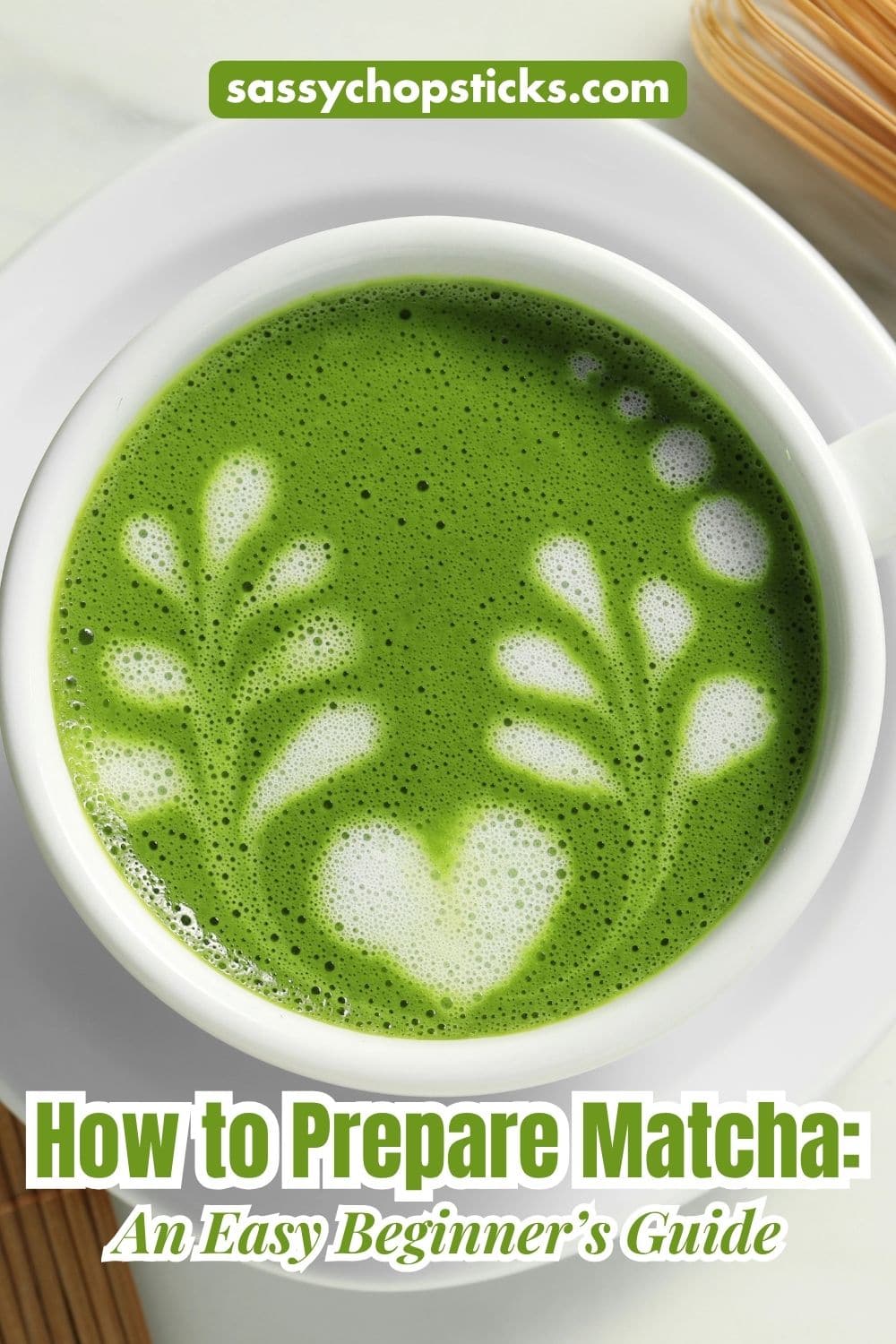
The first time I tried making matcha at home, I thought it would be as simple as stirring green powder into hot water. I ended up with little clumps floating around the bowl—not exactly the smooth, foamy cup I had imagined! Once you learn how to prepare matcha properly, though, the process is surprisingly simple and becomes a lovely little morning ritual.
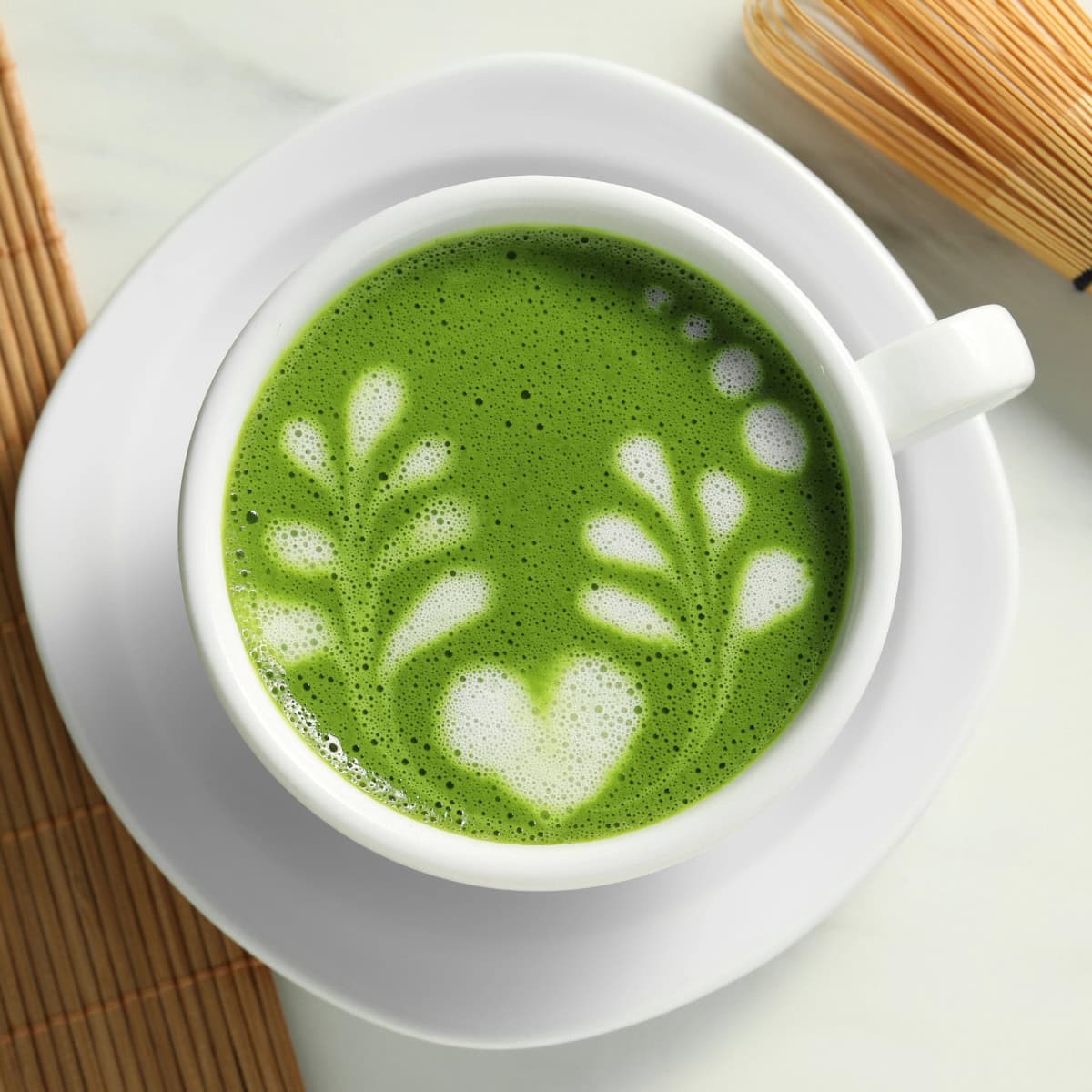
Unlike regular green tea, you don’t steep matcha and remove it from the water. You whisk the finely ground matcha powder directly into water, so you’re drinking the whole tea leaf. This gives matcha tea its distinctive earthy, vegetal flavor and beautiful, vibrant green color.
You don’t need an elaborate setup either. A traditional bamboo whisk and matcha bowl are wonderful to have, but beginners can start with simple kitchen tools. Whether you’re interested in traditional matcha tea, an iced drink, or a creamy matcha latte, this guide covers everything you need to know about making matcha at home.
Ingredients and Tools for Preparing Matcha
Good matcha doesn’t require many ingredients, so each one stands out.
- Matcha powder: Choose fresh, vibrant green powder with a smooth aroma. Ceremonial matcha, or another high-quality grade, is ideal for drinking with water.
- Water: Fresh, filtered water lets the tea’s delicate flavor come through.
- Milk, optional: Dairy or plant-based milk turns your prepared matcha into a creamy latte.
- Sweetener, optional: Honey, maple syrup, or your preferred sweetener can soften matcha’s natural bitterness.
- Bamboo whisk: Also called a chasen, this traditional bamboo tool helps dissolve the powder and create fine foam.
- Matcha bowl: A wide bowl gives your hand enough room to whisk quickly. Any similar small bowl will work if you’re just getting started.
- Fine-mesh sifter: Sifting breaks up compacted powder and makes your finished drink noticeably smoother.
When you shop for matcha, don’t worry too much about every label on the package. Freshness, color, and intended use matter more. If you prefer organic matcha, look for a reputable certified organic product. You may see phrases such as matcha organic, matcha organic matcha, subscription plans, or matcha sets while shopping; these describe purchasing options, not a different preparation method.
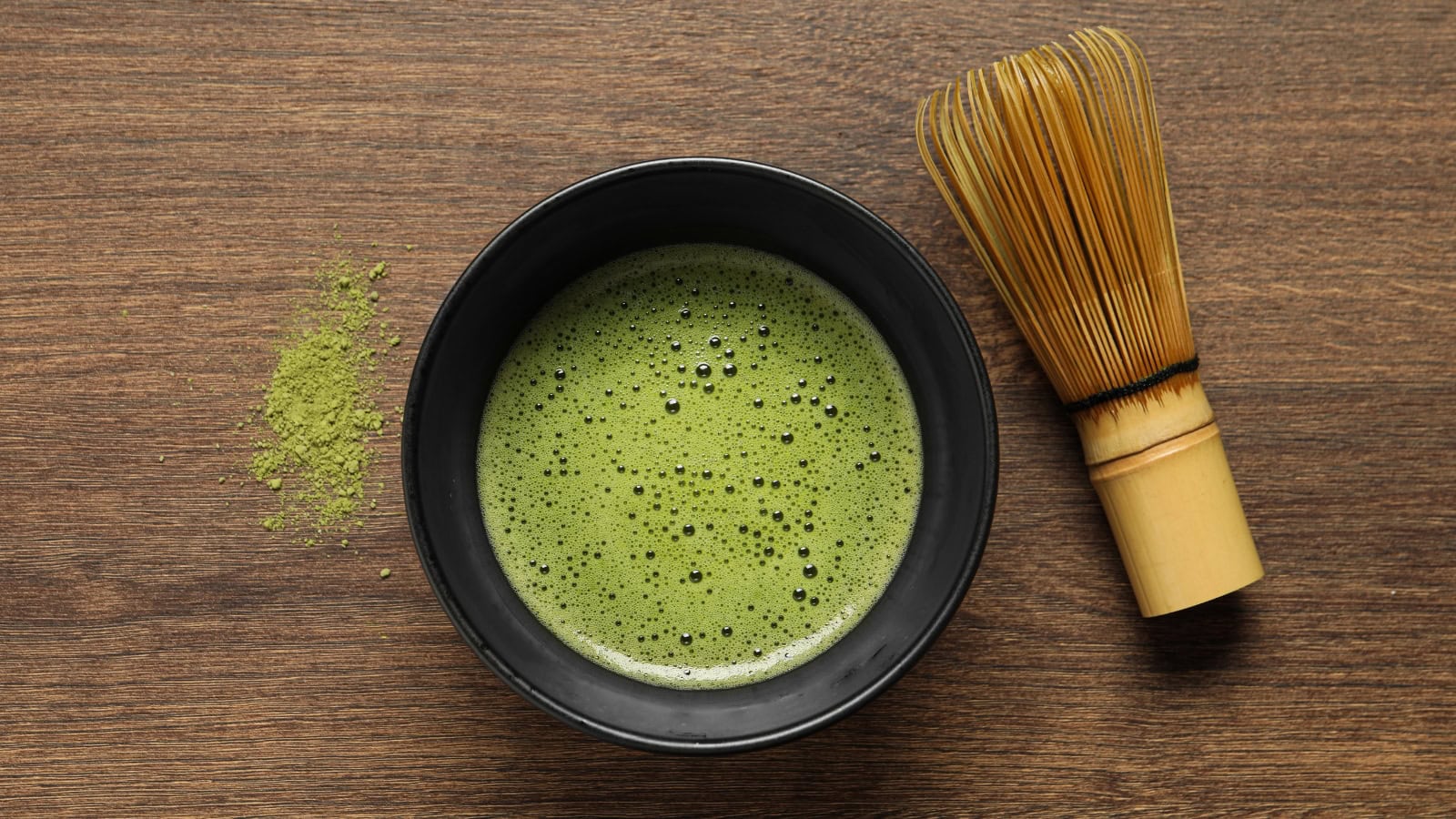
How to Prepare Matcha Tea Step by Step
Heat the water: Start with fresh water, but don’t use boiling water directly on the matcha. Water that’s too hot can make delicate matcha taste harsh or excessively bitter. For a good starting point, aim for approximately 160–175°F (70–80°C).
Warm your matcha bowl: Pour a little hot water into your matcha bowl, swirl it around, and discard it. Dry the bowl completely before adding the powder. Warming the bowl isn’t essential for a casual cup, but it’s a nice touch when preparing matcha the traditional way.
Sift the matcha powder: Place the matcha in a small fine-mesh sifter over your bowl and gently press it through. Matcha naturally forms little clumps, and sifting is one of the easiest ways to get a smooth drink.
Add water: Pour a small amount of hot water over the sifted matcha. Adding too much water immediately makes it harder to whisk evenly.
Whisk the matcha: Hold your matcha whisk lightly and whisk quickly using a loose back-and-forth motion rather than slowly stirring in circles. Keep your wrist relaxed. After about 15–30 seconds, you should see a layer of tiny bubbles and light foam forming across the surface.
Finish and enjoy: For traditional matcha, add a little more warm water if desired and drink it right away. For a latte, pour the prepared matcha into warm or cold milk. That’s really all there is to basic matcha preparation.
Matcha Tea Temperature: Why the Water Matters
Temperature is one of the easiest details to overlook when learning how to make matcha. Matcha is delicate, and extremely hot water can emphasize bitterness instead of its naturally grassy, subtly sweet flavors.
A matcha tea temperature of around 160–175°F is a useful range for beginners. The ideal temperature can vary by tea, so feel free to experiment within that range.
If you don’t have a thermometer, bring your water to a boil and let it cool for several minutes before using it. You don’t have to be overly precise. The main rule for good matcha brewing is simply to avoid pouring vigorously boiling water straight onto the powder.
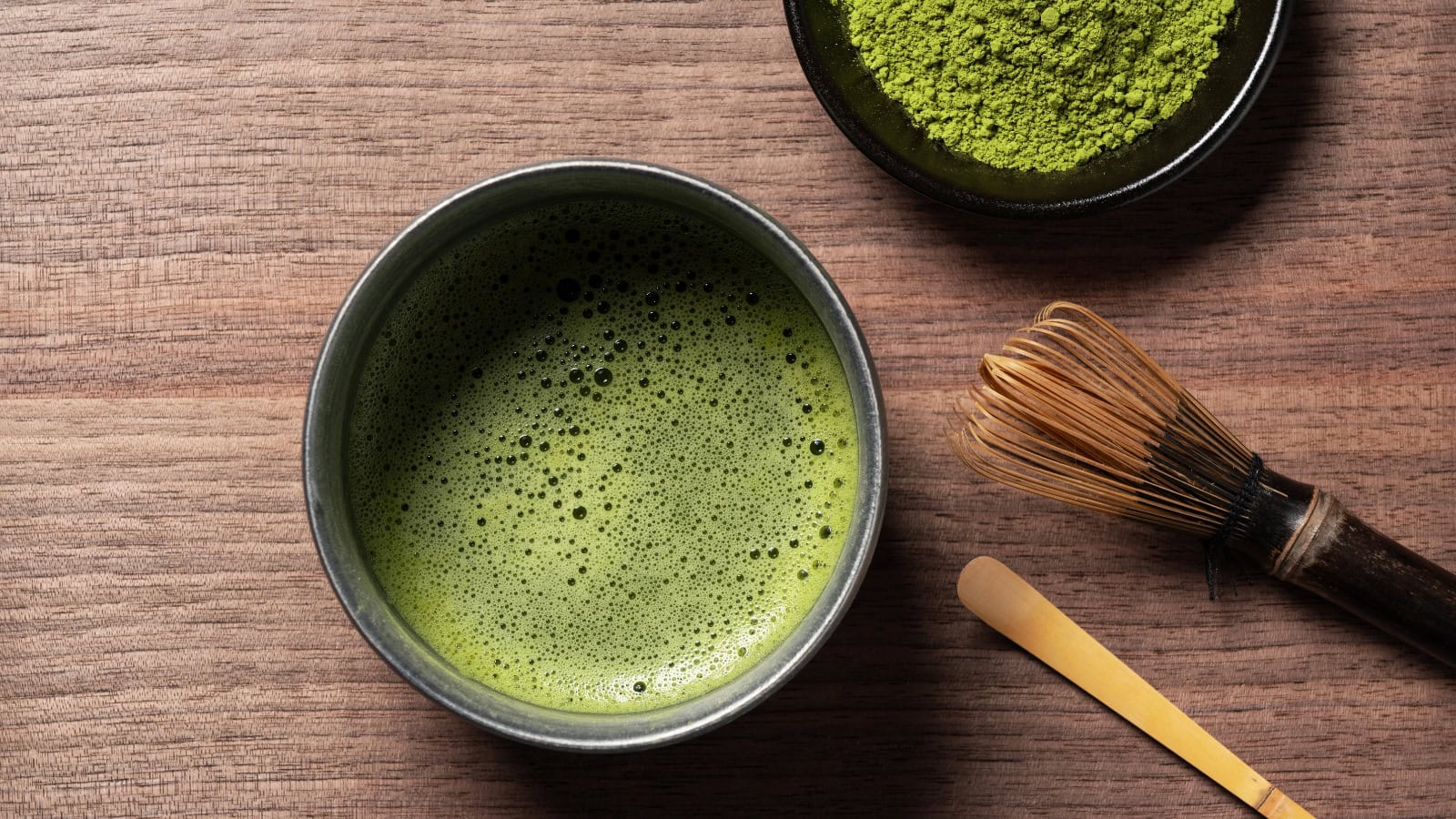
How to Prepare a Matcha Whisk for the First Time
If you’ve bought a new bamboo chasen, you might wonder how to prepare it for first use. Fortunately, it’s easy.
Before whisking, soak the bamboo tines in warm water for a minute or two. This softens the bamboo slightly and makes the delicate tines more flexible. Avoid soaking the entire handle.
This is also a helpful habit before everyday use. After making matcha, rinse the whisk gently with clean water and allow it to air-dry completely. Don’t use dish soap on a traditional bamboo whisk.
Pro Tips for Making Smooth, Foamy Matcha
The biggest improvement you can make when making matcha tea is to sift your powder first. Even beautiful ceremonial matcha tends to clump, and whisking alone doesn’t always break those clumps apart.
Use a wide bowl rather than a narrow cup so the whisk has enough room to move. When whisking, think of a quick zigzag or “W” motion driven by your wrist. You don’t need to press hard against the bottom of the bowl.
Matcha also tastes best when fresh. Store the container tightly closed away from heat, moisture, light, and strong odors. If you’re comparing products or planning to order matcha online, buying an amount you can reasonably use while fresh is often better than stocking up.
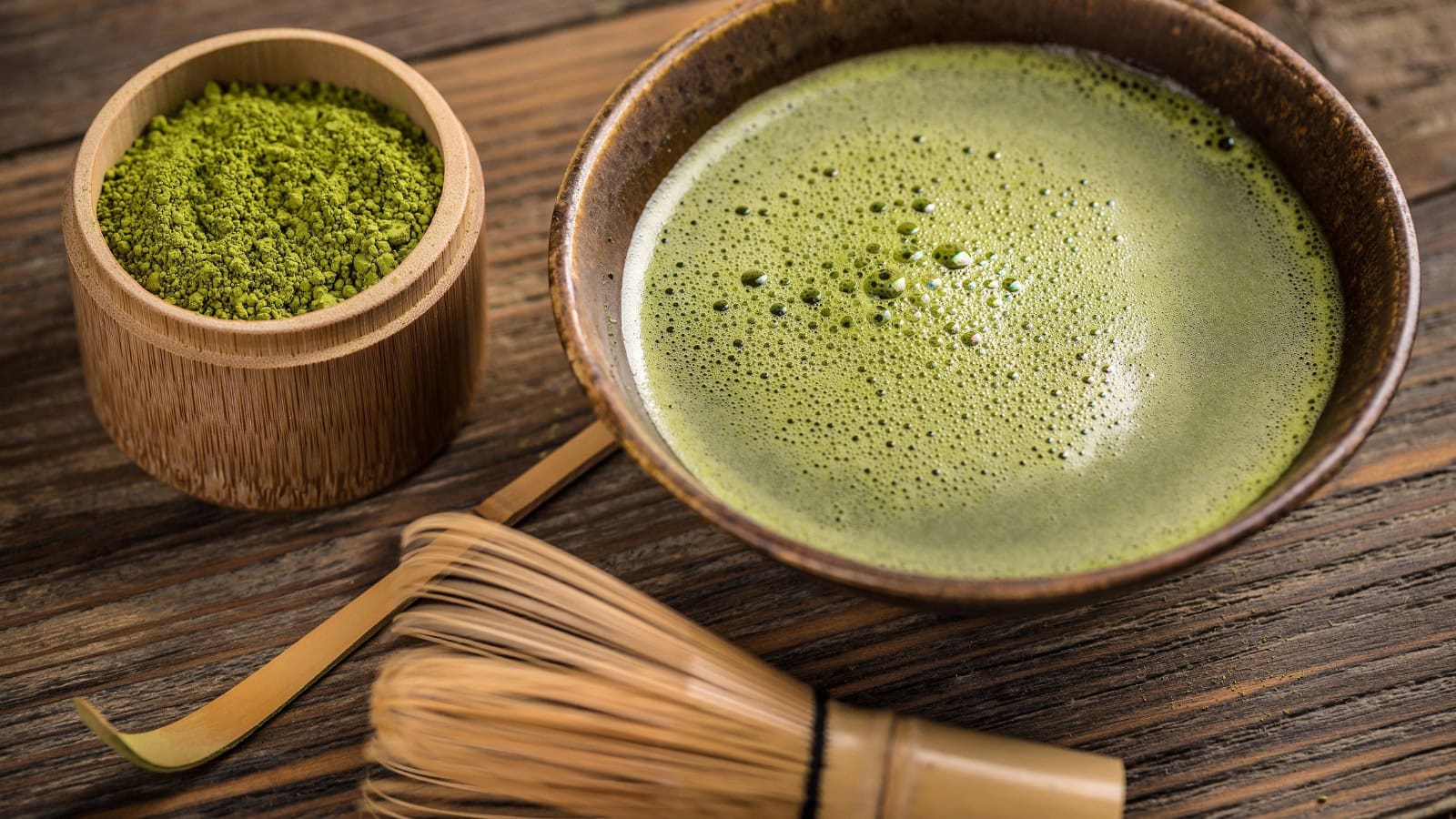
How to Make Matcha Tea Without a Whisk
Don’t own a traditional bamboo whisk yet? You can still make matcha at home.
A handheld milk frother is probably the easiest alternative. Add sifted powder and warm water to a cup or small bowl and froth until smooth. You can also place the matcha and water in a tightly sealed jar and shake vigorously.
Neither method fully recreates the experience of a bamboo chasen, but both are practical solutions for anyone learning to make matcha tea without a whisk.
How to Make a Matcha Latte
Once you know the basics, making a matcha latte is easy. Prepare a concentrated matcha mixture with sifted powder and a small amount of warm water, then add your favorite milk.
For a hot latte, warm and froth the milk before pouring it over the matcha. For a sweeter drink, add honey, maple syrup, or simple syrup to taste.
If you’re wondering how to make matcha with milk, avoid dissolving dry matcha directly into a full cup of milk. Making the smooth matcha concentrate first helps prevent stubborn green clumps.
How to Make Iced Matcha at Home
An iced matcha is one of my favorite ways to enjoy this tea when the weather warms up. Prepare the matcha concentrate exactly as you would for a hot drink, then pour it over ice and cold water.
For an iced matcha latte, add cold milk instead of additional water. You can sweeten it before adding the ice, so everything mixes more easily. For another refreshing option, try this iced lemon matcha tea for a bright citrus twist.
Once you’ve mastered the basic technique, you can use the same method as a starting point for all kinds of matcha recipes, from strawberry matcha lattes to smoothies and other refreshing drinks. You can also turn matcha into creamy strawberry matcha popsicles for a refreshing frozen treat.
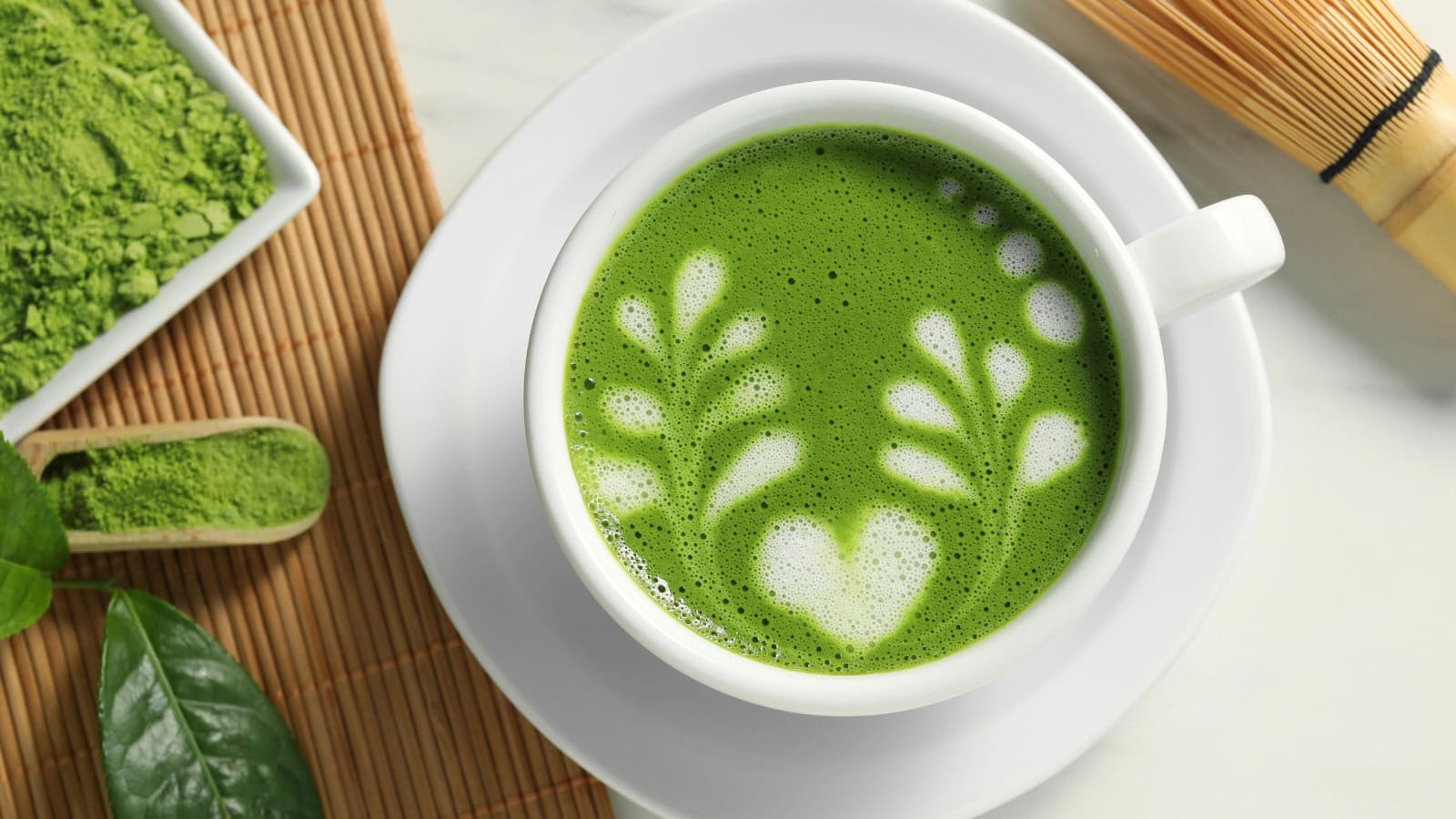
Storing Matcha Powder and Your Matcha Whisk
Matcha is sensitive to air, light, heat, and moisture, so keep the powder tightly sealed in a cool, dark place and follow the storage instructions on its packaging. Always use a clean, dry spoon when scooping it.
Your whisk needs a little care, too. Rinse it gently after each use and let it dry thoroughly in a well-ventilated spot. Proper care helps the fine bamboo tines retain their shape and keeps your whisk ready for the next cup.
Enjoy prepared matcha immediately rather than storing and reheating it. The fresh flavor, color, and foam are part of what makes it special.
Matcha Variations to Try
Once you’re comfortable brewing matcha, you can make it your own in plenty of ways. Traditional preparation with just matcha and water lets you appreciate the tea’s pure flavor, while a latte is softer and creamier.
Try an iced matcha latte for something refreshing, or add a touch of honey or maple syrup if straight matcha tastes too earthy at first. You can also experiment with oats, almonds, coconut, or soy milk.
And matcha isn’t limited to drinks. It can add its distinctive green color and earthy flavor to baking, smoothies, chia pudding, and other recipes. Starting with a simple drink is still the best way to understand how your particular matcha tastes.
Final Thoughts
Learning how to prepare matcha tea doesn’t have to feel complicated or overly formal. At its simplest, you need good matcha powder, properly heated water, and a way to whisk the two together until smooth.
Sifting the powder, avoiding water that’s too hot, and whisking quickly are the three small details that make the biggest difference. Once you get comfortable with them, making matcha becomes almost second nature.
I especially love that the process encourages you to slow down for a minute. There is something comforting about watching that bright green powder transform into a smooth, frothy bowl of tea, and homemade matcha somehow tastes even better when you’ve whisked it yourself.
FAQs
Traditional matcha tea contains finely ground green tea powder and water. Unlike steeped green tea, the powder remains in the drink rather than being strained out. Matcha lattes add milk and may also include a sweetener.
Sift the matcha powder into a bowl, add warm water around 160–175°F, and whisk quickly in a back-and-forth motion until smooth and lightly foamy. Add more water or milk depending on how you want to serve it.
Yes. A handheld milk frother works very well, and a tightly sealed jar can work in a pinch. A traditional bamboo whisk gives you more control and helps produce a fine layer of foam, but you don’t need one to start enjoying matcha at home.
Around 160–175°F (70–80°C) is a good starting range. Avoid using freshly boiling water, which can make matcha taste unnecessarily bitter.
Not necessarily. High-quality ceremonial matcha is especially enjoyable with water because no other flavors hide its nuances. For lattes, smoothies, baking, and other matcha recipes, a good culinary- or latte-grade may be more economical.