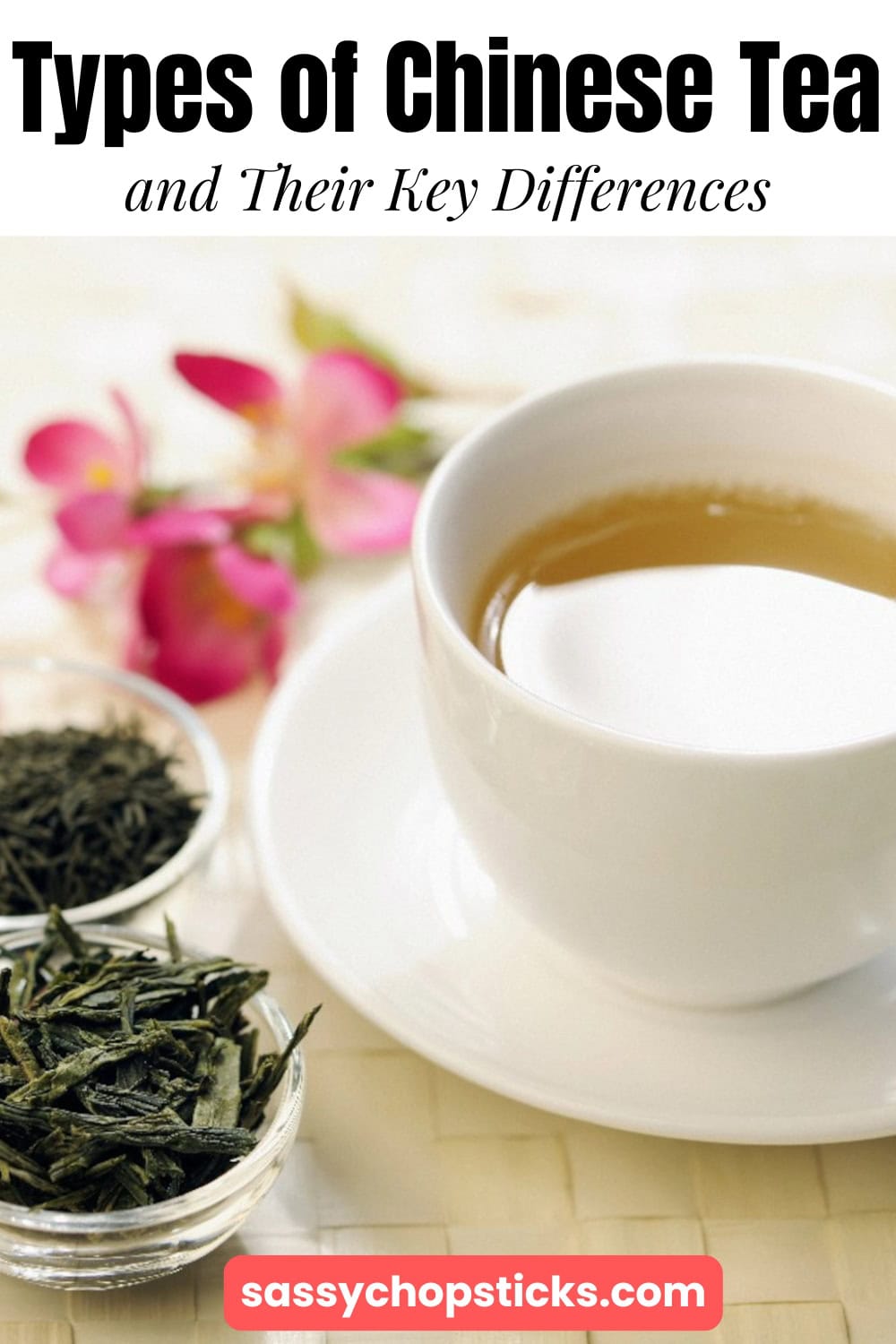
Chinese tea has been part of daily life in China for thousands of years, woven deeply into family traditions, celebrations, and quiet everyday moments. From delicate green tea to rich black tea and fragrant oolong tea, the world of Chinese teas is incredibly diverse. Many people are surprised to learn that all traditional tea comes from the same plant, Camellia sinensis. Different processing methods, oxidation levels, drying techniques, and aging styles give each tea its unique character.
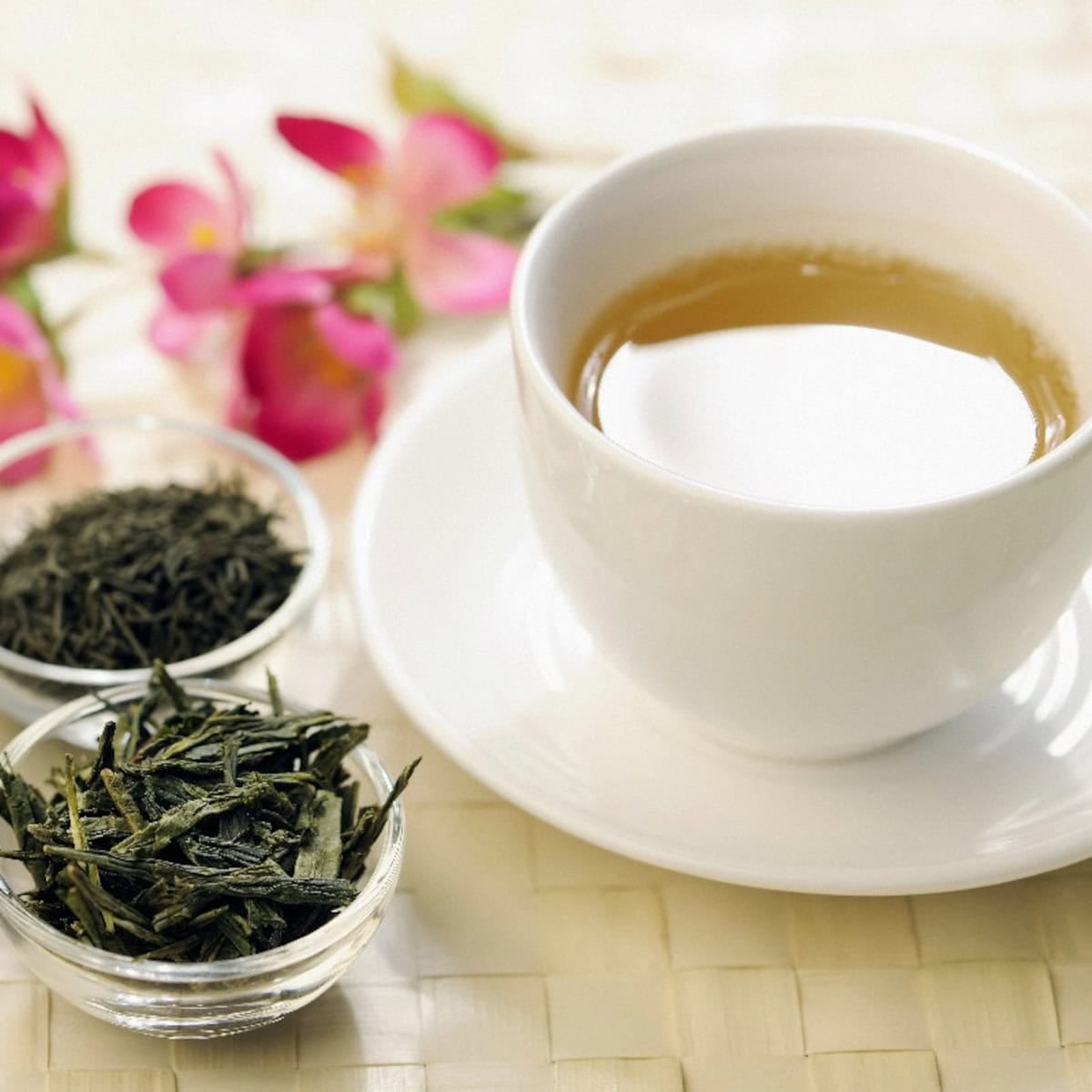
If you’ve ever wondered about the different types of Chinese tea, their flavor profiles, caffeine levels, and health benefits, this guide will walk you through everything you need to know.
Whether you’re exploring collections of tea name lists at a tea shop or trying to understand a Chinese chart of tea types, learning the key differences can help you discover your perfect cup.
Types of Chinese Tea: Understanding the Six Main Categories
When discussing the six types of Chinese tea, it helps to know that Chinese tea traditions group tea into categories based on oxidation and processing methods. These categories include green tea, white tea, yellow tea, oolong tea, black tea, and dark tea.
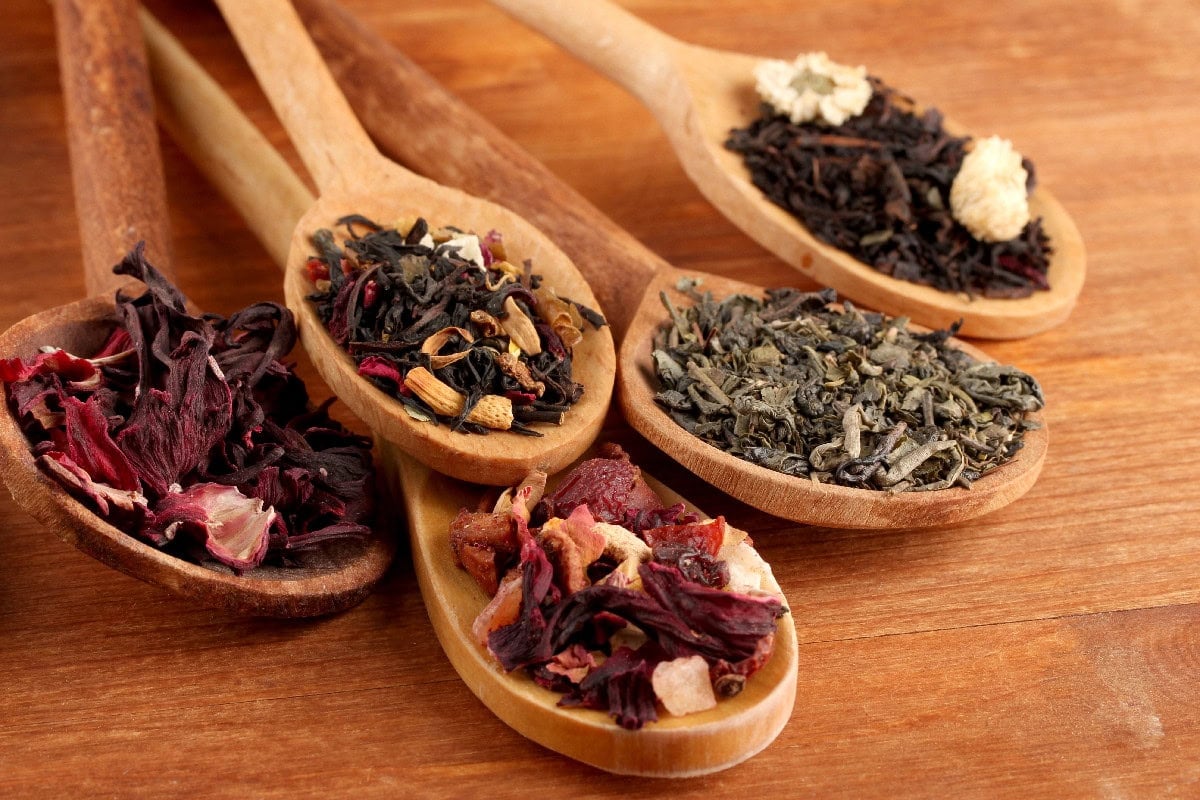
Although there are many names of Chinese tea and regional variations across China, almost all traditional leaf tea falls into one of these major groups. Some tea experts also mention herbal blends separately, but technically, herbal drinks are not true tea because they do not come from Camellia Sinensis.
The six major Chinese teas each offer distinct flavors, aromas, colors, and brewing experiences. Some are grassy and delicate, while others are smoky, floral, earthy, or bold.
Green Tea: The Fresh and Delicate Chinese Green Tea
Green tea is one of the oldest and most popular types of Chinese tea. Chinese green tea undergoes minimal oxidation, helping it keep a fresh flavor, natural green color, and high antioxidant content.
Popular Chinese green tea varieties include Longjing (Dragon Well), Bi Luo Chun, and Huangshan Maofeng. Tea producers often pan-fire these green teas shortly after harvest to prevent oxidation and preserve their vibrant flavor.
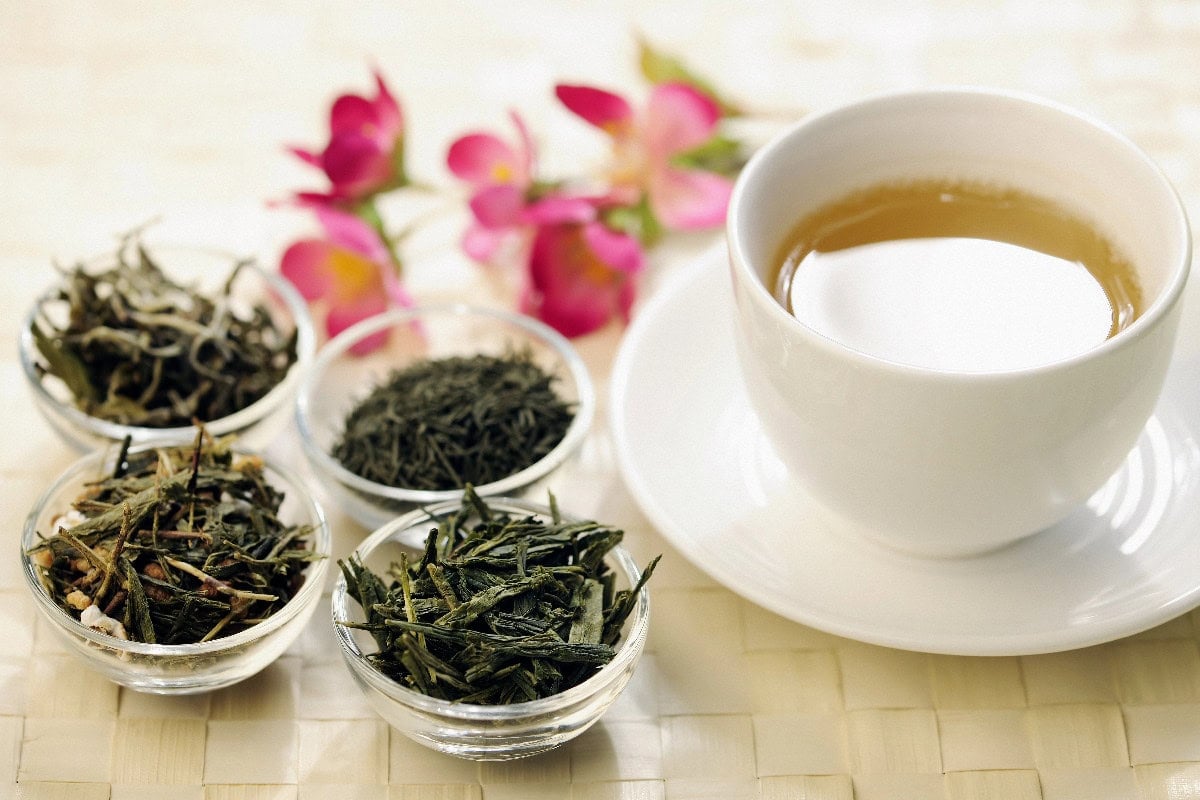
The flavor of green tea can range from sweet and nutty to grassy and vegetal. Some people compare oriental green tea to fresh spring vegetables or roasted chestnuts. Quick processing gives green tea a lighter body than black tea.
Many tea lovers choose Chinese green tea for its health benefits. It contains antioxidants that may support heart health and overall wellness. Green tea also contains caffeine, although usually less than black tea or certain oolong teas.
If you’ve seen “green tea wiki” or “tea green” searches online, it’s because green tea remains one of the most researched and consumed tea drinks worldwide.
White Tea: The Elegant Simplicity of Silver Needle Tea
White tea ranks among the least processed Chinese teas. Producers simply wither and dry the tea leaves, creating a soft, delicate flavor profile that many tea enthusiasts adore.
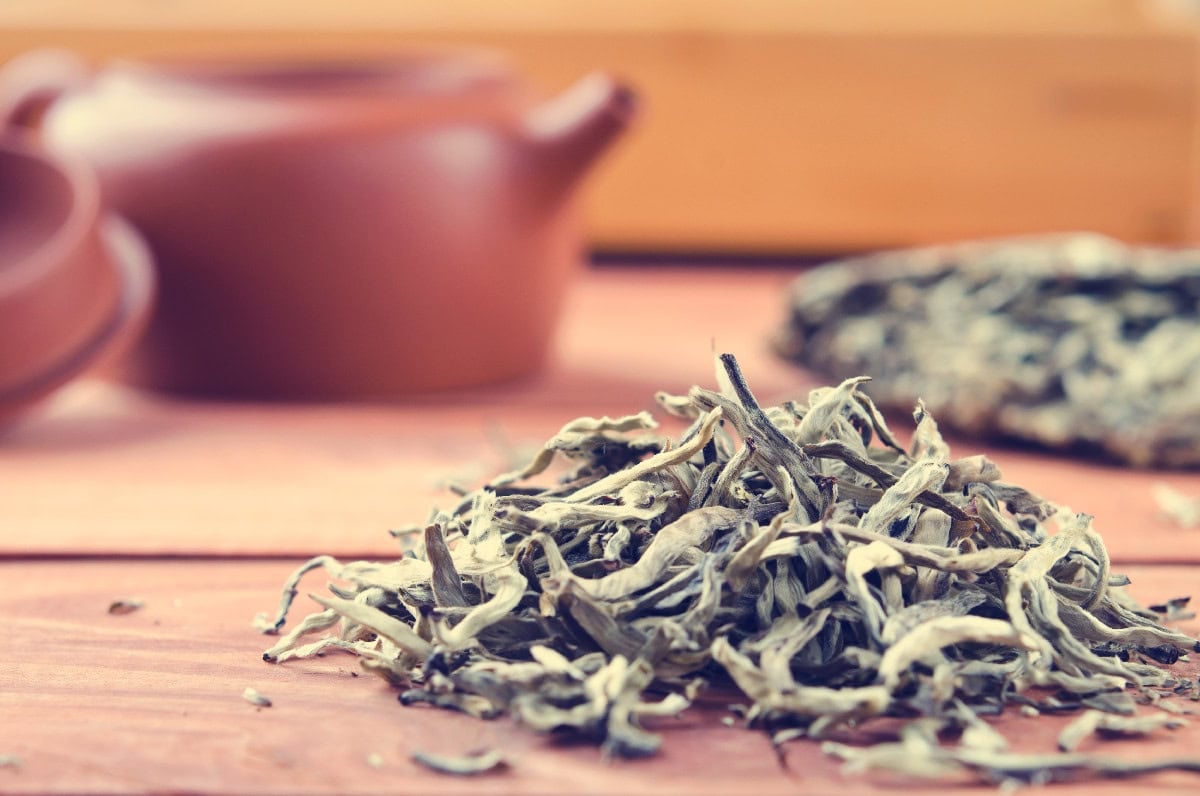
One of the most famous white teas is Silver Needle, known for its fuzzy young buds and smooth, floral taste. White tea often has subtle honey-like sweetness with light fruity notes.
Compared to stronger black tea or oolong tea, white tea feels gentle and refined. Because the processing methods are minimal, many people believe white tea preserves more natural compounds from the tea leaves.
White tea also contains caffeine, though typically in moderate amounts depending on the brewing style and leaf grade.
Yellow Tea: The Rare and Luxurious Yellow Tea Category
Yellow tea is one of the rarest types of Chinese tea and is less commonly found outside China. It undergoes a special slow-drying process called “sealing yellow,” which creates a mellow, smooth flavor.

Unlike green teas, yellow tea loses much of the grassy sharpness during processing. The result is a softer cup with gentle sweetness and less astringency.
Many tea drinkers describe yellow tea as somewhere between green tea and white tea in flavor. Because it is difficult to produce, yellow tea is often considered a premium tea in specialty tea shop collections.
Oolong Tea: The Complex World of Oolong Teas
Oolong tea sits beautifully between green tea and black tea in oxidation levels. Oolong teas can vary dramatically depending on the region, processing methods, and roasting style.
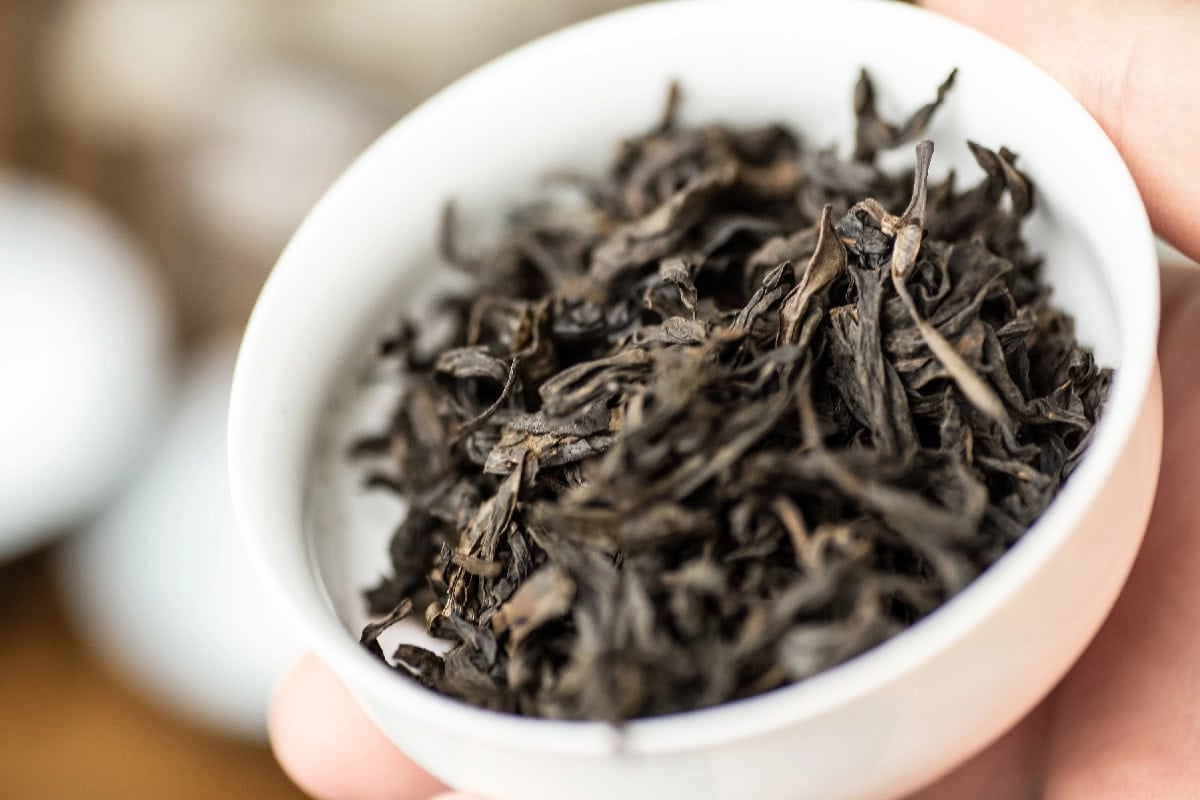
Some oolong tea varieties are floral and creamy, while others are dark, roasted, and rich. Famous Chinese tea names in this category include Tie Guan Yin and Da Hong Pao.
The flavor complexity of oolong tea is one reason it’s beloved among tea enthusiasts. A single batch of oolong tea may reveal layers of orchid, fruit, honey, roasted nuts, or mineral notes across multiple infusions.
Many people searching for “oolong wiki” are fascinated by how broad the category is. Some lightly oxidized oolong teas resemble green teas, while heavily roasted versions can taste closer to Chinese black tea.
Oolong tea also contains moderate to high levels of caffeine, depending on oxidation and brewing strength.
Black Tea: Rich and Bold Chinese Black Tea
In China, black tea is often referred to as red tea because of the reddish color of the brewed liquid. However, in Western countries, these teas are generally classified as black tea.
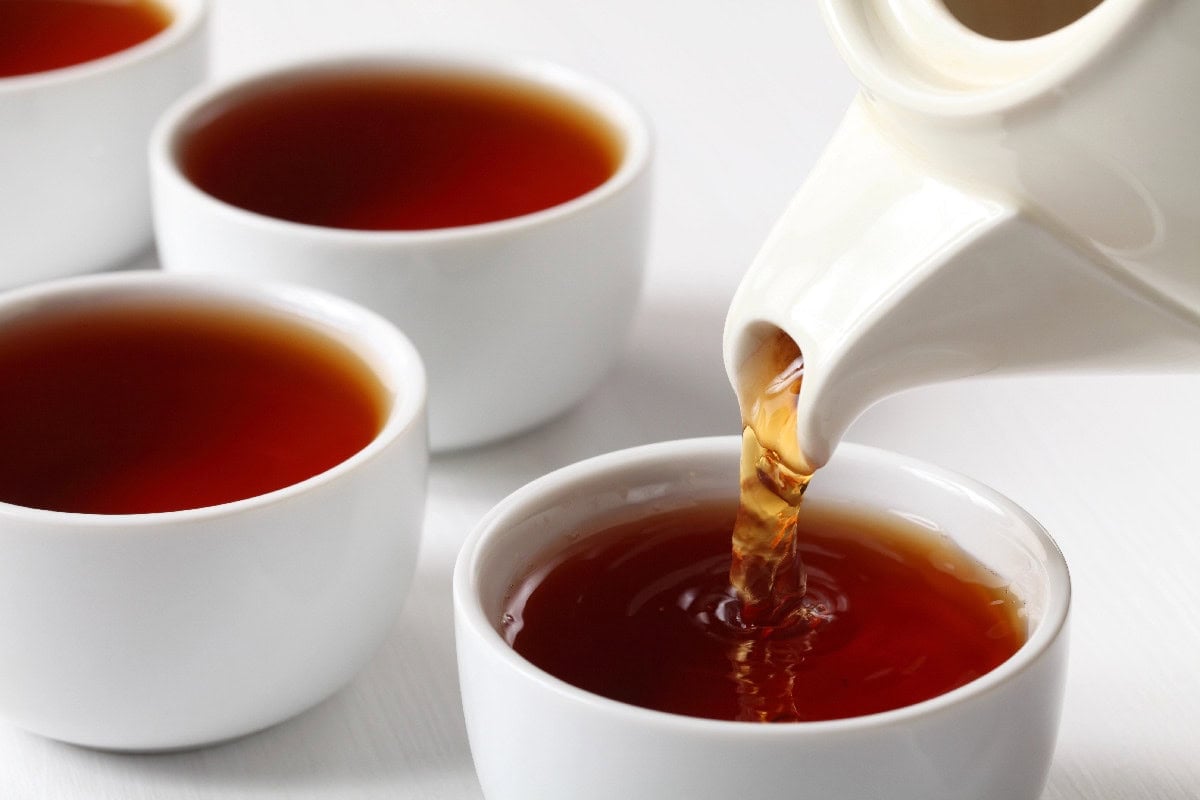
Chinese black tea varieties include Keemun, Lapsang Souchong, and Dianhong. Compared to green tea, black teas are fully oxidized, giving them a deeper color and stronger flavor.
The flavor of Chinese black tea can range from malty and chocolatey to smoky and sweet. Lapsang Souchong, for example, is famous for its pine-smoked aroma.
Black tea typically contains more caffeine than green tea, making it a popular morning drink. Many people also enjoy black tea with rice snacks, desserts, or savory meals.
Because black teas are fully oxidized, they often store well and maintain flavor longer than delicate green teas.
Pu-erh Tea: Aged Chinese Tea with Deep Flavor
Dark tea includes fermented and aged teas, with Pu-erh tea being the most famous example. Sometimes written as “erh tea” or “po lei tea,” Pu-erh comes primarily from Yunnan Province in China.
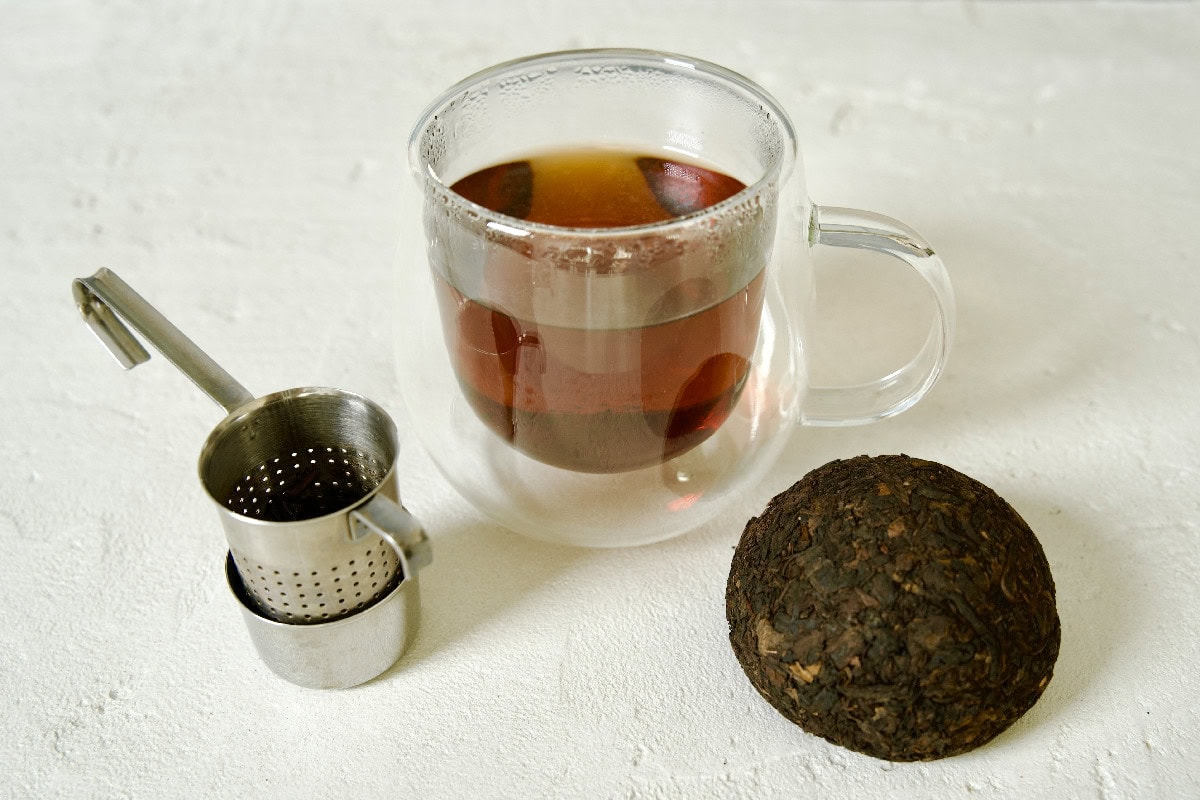
Unlike other types of tea, Pu-erh tea can improve with age, much like wine. The tea leaves undergo microbial fermentation, creating earthy, woody, and sometimes sweet flavors.
Some Pu-erh teas are compressed into cakes or bricks for aging and storage. Tea collectors often view aged Pu-erh as highly valuable.
Many people seek out Pu-erh tea because of its rich flavor and potential health benefits, especially after heavy meals.
Traditional Chinese Tea Culture and Tea Sets
Traditional Chinese tea culture focuses on mindfulness, hospitality, and appreciation of flavor. Tea preparation is often considered an art form in China.
People use different Chinese tea sets and teapots for different tea styles. Small clay Yixing teapots are popular for oolong tea and Pu-erh tea because they retain heat and absorb flavor over time.
Types of Chinese tea cups are usually small to encourage slow sipping and multiple infusions. This allows drinkers to appreciate how the flavor evolves with each steeping.
Tea culture in China is not only about drinks but also about connection, conversation, and relaxation.
Health Benefits of Different Types of Chinese Tea
Many Chinese teas offer well-known health benefits. While scientific research continues to evolve, people value tea for its antioxidants and calming ritual.
People often connect green tea with antioxidants and metabolism support. Oolong tea may support digestion and focus, while black tea offers a comforting energy boost from caffeine.
White tea contains delicate compounds that many tea lovers value for their wellness benefits. People often enjoy pu-erh tea after meals for its smooth, rich character.
The best Chinese tea for health often depends on personal preference and lifestyle. Drinking tea regularly as part of a balanced routine may contribute to overall wellness.
Final Thoughts
Learning about the different types of Chinese tea opens the door to a fascinating world of flavor, history, and tradition. From delicate silver needle tea to roasted oolong tea and bold black tea, every cup tells a story shaped by region, craftsmanship, and culture.
Whether you’re exploring a Chinese tea names list for the first time or building your own tea shop collection, there’s always something new to discover. The beauty of Chinese teas lies not only in their taste but also in the peaceful experience they create.
With so many tea names, processing styles, and regional traditions across China, tea lovers can spend a lifetime exploring the endless variety found within a single leaf.
FAQ
Traditionally, there are six main types of Chinese tea: green tea, white tea, yellow tea, oolong tea, black tea, and dark tea. Some people also include herbal tea drinks separately.
Green tea undergoes minimal oxidation, helping it keep a fresh flavor and green color. Black tea undergoes full oxidation, resulting in darker leaves and a stronger flavor.
Black tea and heavily oxidized oolong teas generally contain the highest caffeine levels, although brewing methods also affect caffeine content.
Many people consider green tea one of the best Chinese teas for health because of its antioxidant content. However, all traditional Chinese teas may offer health benefits as part of a balanced lifestyle.
Pu-erh tea is a fermented dark tea from Yunnan Province in China. People know it for its earthy flavor and aging potential.
Yes. All traditional Chinese teas come from the Camellia sinensis plant. The differences come from processing methods, oxidation levels, and aging techniques.