If you’ve ever browsed a Japanese restaurant menu and wondered about the difference between yaki soba and udon, you’re definitely not alone. Both are popular Japanese noodles commonly featured in comforting stir-fried dishes, but they’re surprisingly different in flavor, texture, ingredients, and even how they’re traditionally served in Japan.

At first glance, yaki soba and udon may look similar because both dishes are often tossed with vegetables, protein, and savory sauce. However, the noodles themselves are completely different. One uses thin soba noodles or yakisoba noodles with a slightly firm bite, while the other features thick, chewy udon noodles made from wheat flour.
In this guide, we’ll break down soba vs udon in a simple and approachable way so you can better understand these beloved Japanese noodle dishes and decide which one you might enjoy more.
Yaki Soba vs Udon: Understanding the Basics
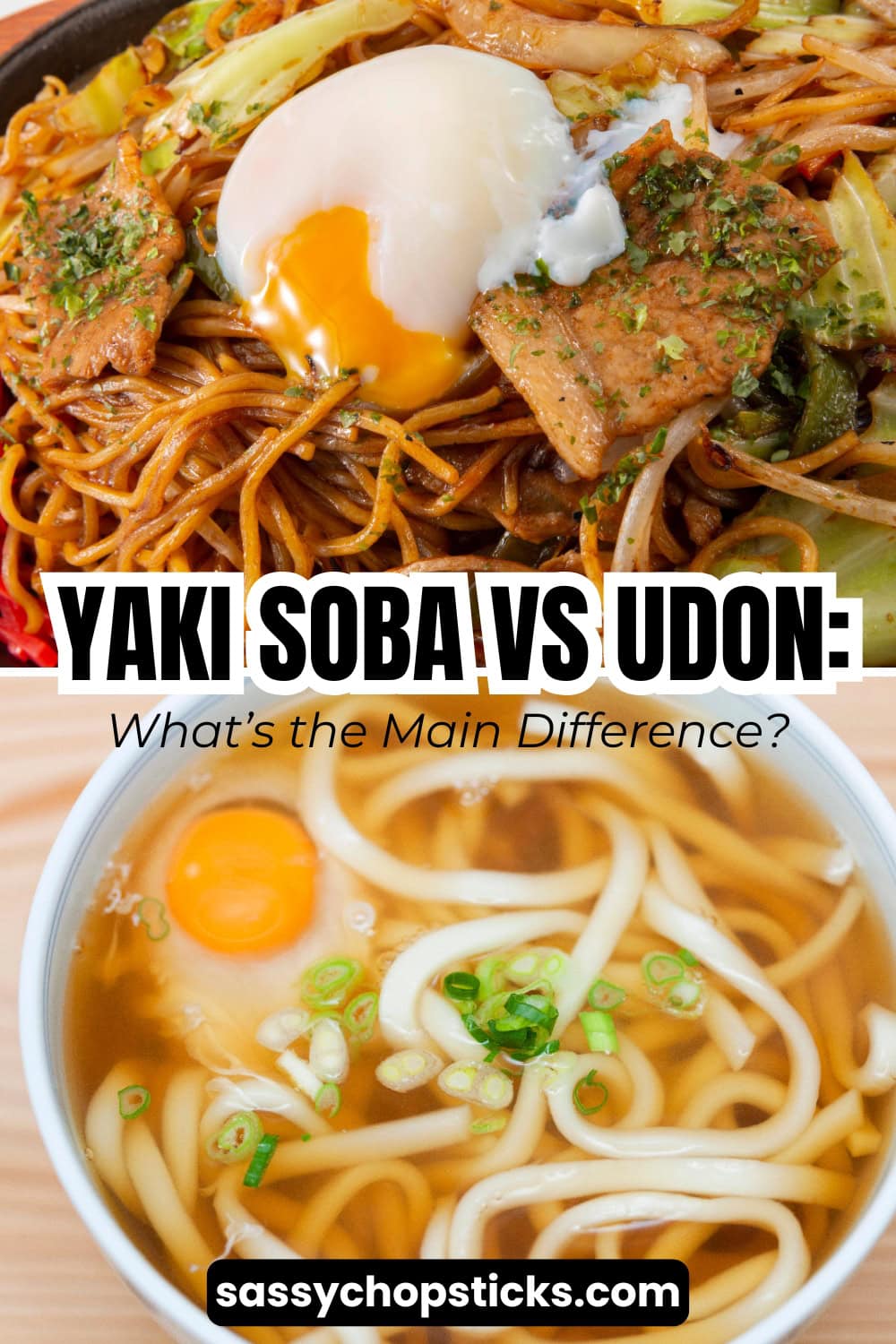
When comparing yaki soba vs udon, the biggest difference comes down to the type of noodle used in each dish. Yakisoba is a stir-fried noodle dish traditionally made with yakisoba noodles, while yaki udon uses thick udon noodles.
Despite the word “soba” in yakisoba, the noodles are usually not made from buckwheat flour, unlike traditional soba noodles. Instead, yakisoba noodles are typically made from wheat flour, giving them a softer, springier texture similar to ramen noodles.
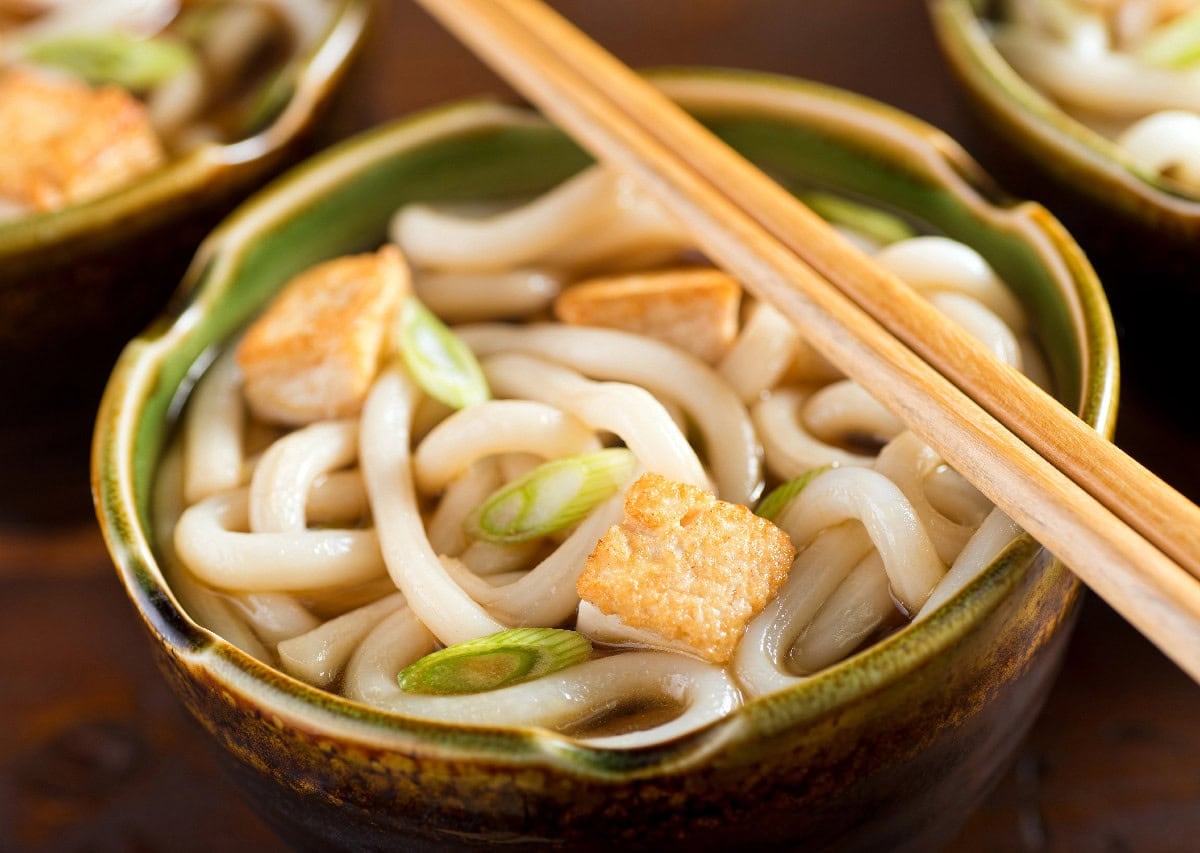
Udon noodles, on the other hand, are thick Japanese noodles made entirely from wheat flour. They are known for their chewy texture and mild flavor, which pair beautifully with rich sauce or broth-based dishes.
In Japan, both dishes are incredibly popular street foods and comfort meals. You’ll often find yakisoba served during summer festivals in August, while udon dishes are enjoyed year-round, either hot or cold.
Soba vs Udon: What Are the Noodles Made Of?
One of the most important distinctions in the soba vs udon conversation is the flour used to make the noodles.
Traditional soba noodles are made with buckwheat flour, sometimes combined with wheat flour for elasticity. Because of their buckwheat content, soba noodle varieties have a nuttier, slightly earthy flavor. They also tend to be thinner and lighter.
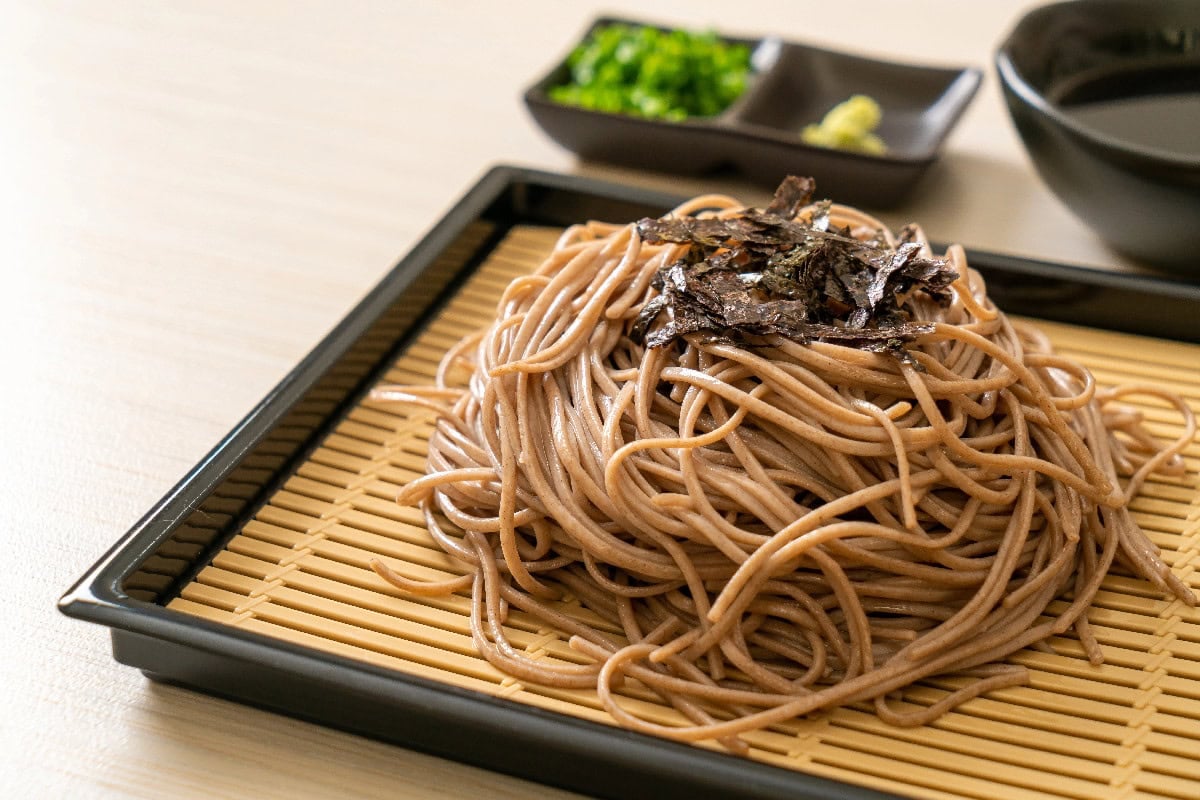
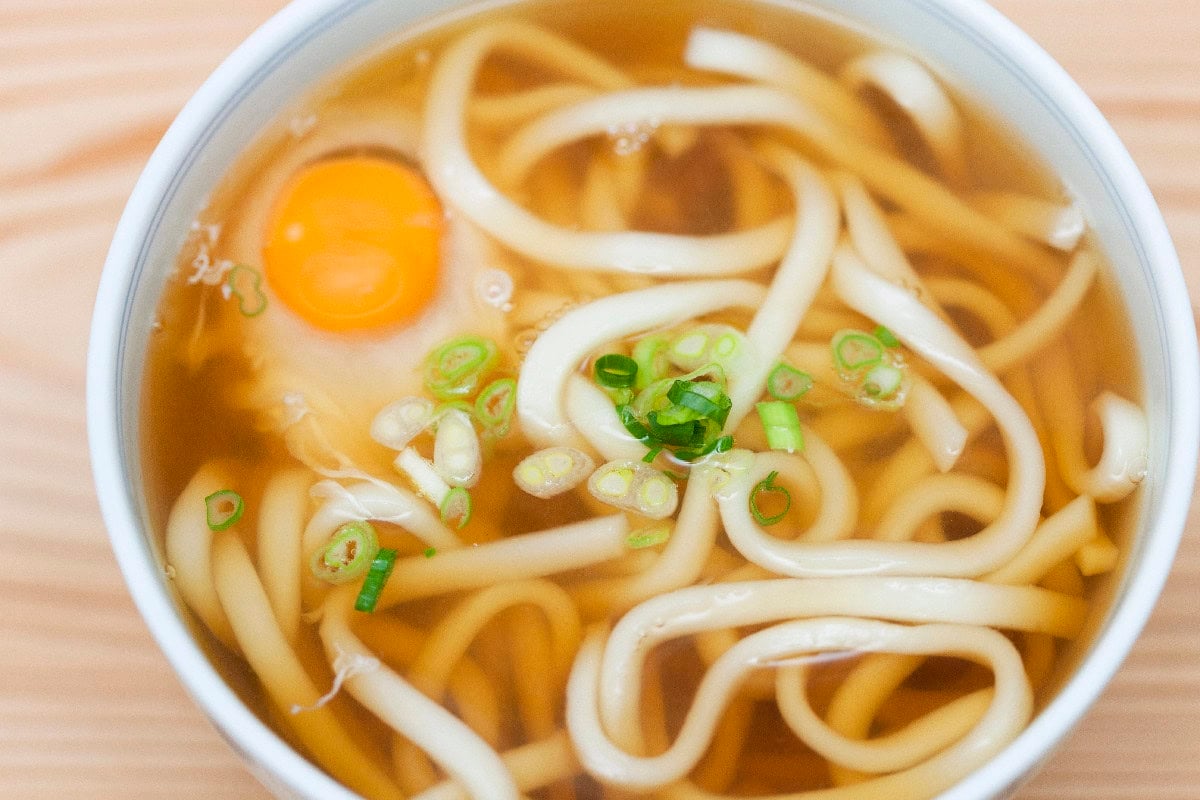
Udon noodles are made primarily from wheat flour, water, and salt. The result is a thick noodle with a soft yet chewy texture that feels hearty and satisfying.
This difference in ingredients greatly affects the flavor and texture of the final dish. Buckwheat gives soba a more complex and slightly rustic flavor, while udon has a milder taste that absorbs sauce beautifully.
When people search for the difference between soba and udon noodles, this distinction in ingredients is usually the first thing chefs point out.
Yaki Udon vs Yakisoba: Texture and Flavor Differences
The difference in texture between yaki udon and yakisoba is immediately noticeable with your first bite.
Yakisoba noodles are thinner, slightly springy, and absorb sauce quickly. They are often stir-fried with soy sauce-based sauce, cabbage, onions, carrots, and sliced meat. The finished dish has a savory, slightly sweet flavor with smoky notes from the pan.
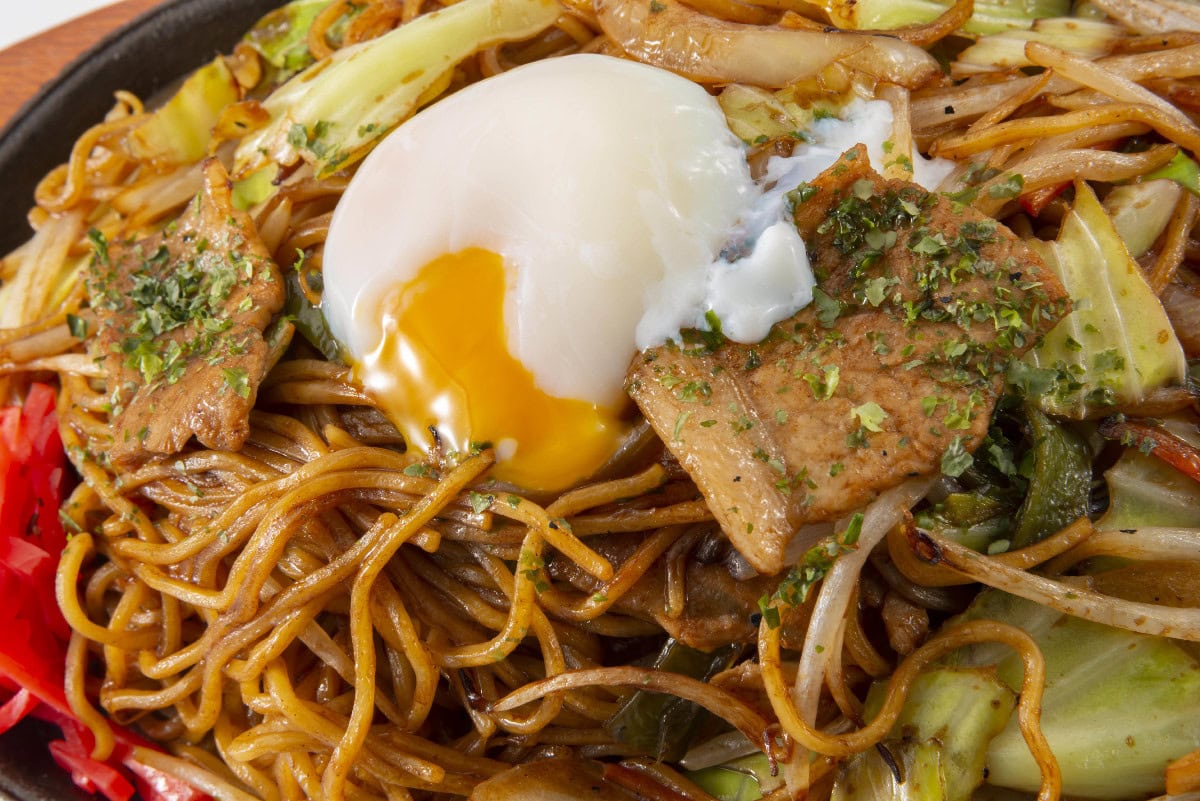
Yaki udon, meanwhile, uses thick udon noodles with a much chewier texture. Because udon noodles are larger and denser, they create a heartier eating experience. The sauce clings to the noodles differently, giving every bite a rich and satisfying taste.
Many people describe the taste of yaki soba vs. udon as a choice between lighter and more robust textures. Yakisoba feels slightly lighter and more snack-like, while yaki udon feels more filling and comforting.
Both dishes are delicious, but your personal preference may depend on whether you prefer thinner or thicker, chewier noodles.
Udon vs Soba: Traditional Serving Styles in Japan
Another key point when comparing udon vs soba is how the noodles are traditionally served in Asian cuisine.
Soba noodles are commonly enjoyed both hot and cold. Cold soba dishes are especially popular during warm summer months in Japan. Chilled soba is often served with a dipping sauce made with soy sauce, mirin, and dashi. This style highlights the delicate buckwheat flavor of the noodle.
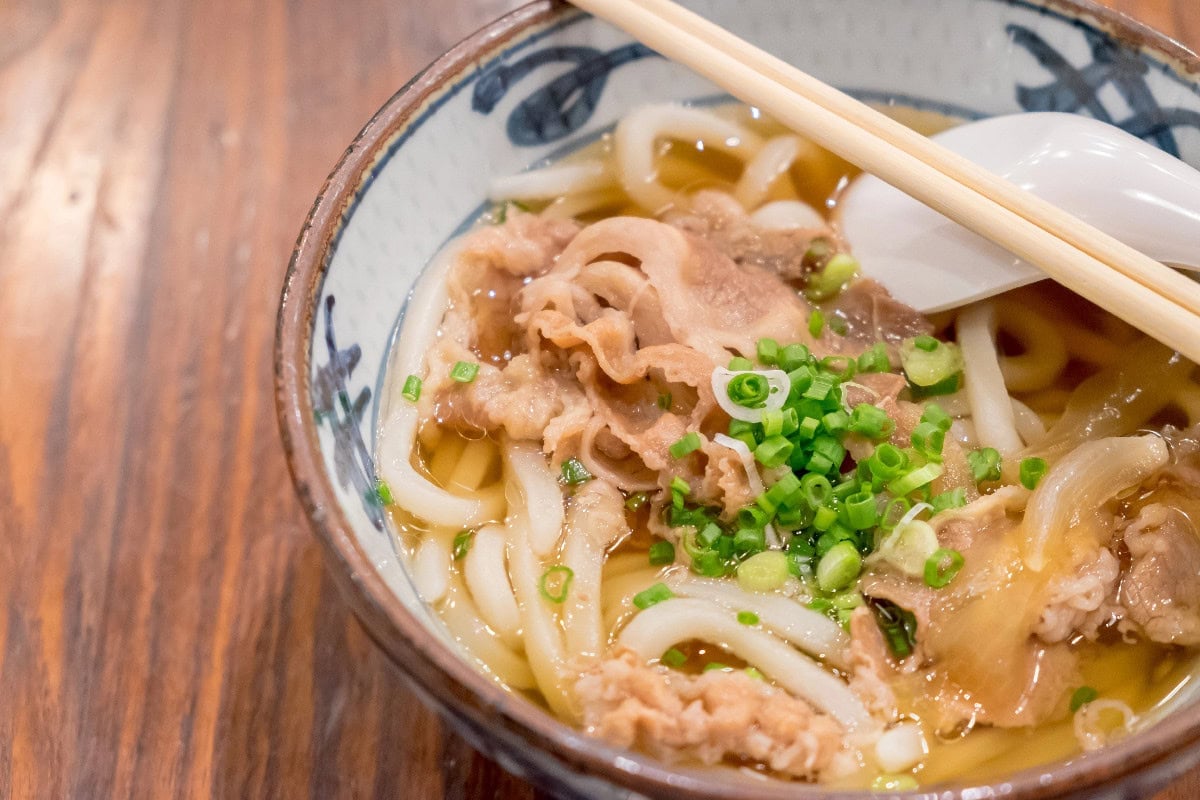
Udon noodles are also served hot or cold, but hot udon dishes are particularly comforting during colder weather. Thick udon noodles are often paired with rich broths, tempura toppings, or savory sauces.
Yakisoba and yaki udon are both stir-fried dishes rather than soup dishes, but they still reflect the overall personality of each noodle type.
Yaki Soba vs Udon Noodles: Which Is Healthier?
A common question people ask is whether yaki soba vs udon noodles are healthier.
The answer depends on the ingredients and preparation method. Traditional soba noodles made with buckwheat flour can offer more fiber and nutrients than plain wheat-flour noodles. Buckwheat is naturally rich in minerals and plant compounds, which is why some people consider soba a healthier option.
Udon noodles are lower in fiber because they are primarily made from refined wheat flour. However, they are still relatively simple and low in fat when served in lighter dishes.
When comparing yaki soba vs yaki udon, healthier options, the sauce and toppings matter just as much as the noodles themselves. Stir-fried dishes with excessive oil or a sodium-heavy sauce can quickly increase calories.
If you are deciding between udon and soba, healthier choices, traditional soba noodles may have a slight nutritional advantage due to the buckwheat content.
Yaki Soba vs Udon vs Lo Mein
People sometimes compare yaki soba, udon, and lo mein because all three dishes feature stir-fried noodles.
Lo mein is a Chinese noodle dish typically made with egg noodles. The noodles are softer and richer due to the egg content, and the sauce profile tends to be sweeter and heavier compared to Japanese noodle dishes.
Yakisoba has a more savory, tangy flavor profile with a Japanese-style sauce, while yaki udon offers a thicker, chewier bite.
Although these dishes may appear similar visually, the differences in flavor and texture are quite noticeable when you try them side by side.
Soba vs Udon vs Ramen: What Makes Them Different?
Another common comparison is among soba, udon, and ramen.
Soba noodles are thinner and often made with buckwheat flour. Udon noodles are thick and chewy, made from wheat flour. Ramen noodles are also made from wheat flour but include kansui, an alkaline ingredient that gives ramen its distinctive yellow color and springy texture.
Ramen is typically served in broth-based dishes, while soba and udon can be enjoyed hot, cold, or stir-fried.
Each noodle has its own place in Japanese food culture, and all three are incredibly popular both in Japan and around the world.
Final Thoughts
When it comes to yaki soba vs udon, there’s no single winner because both dishes offer something unique and comforting.
Yakisoba delivers a savory stir-fried noodle dish with thinner noodles and bold sauce flavors, while yaki udon offers a thick, chewy texture and a heartier bite. The main difference ultimately comes down to the noodle itself, from the type of flour used to the overall flavor and texture.
If you enjoy lighter noodles with slightly smoky sauce flavors, yakisoba may become your favorite. If you prefer thick and satisfying noodles with a chewy texture, yaki udon is likely the better choice.
Either way, both dishes are delicious examples of why Japanese noodles remain so popular around the world.
FAQ
The biggest difference between soba and udon noodles is the flour used to make them. Soba noodles are typically made with buckwheat flour, while udon noodles are made from wheat flour. This creates major differences in flavor, texture, and appearance.
No, yaki udon and yakisoba are different dishes. Yakisoba uses thinner yakisoba noodles, while yaki udon uses thick udon noodles. The sauces and toppings may be similar, but the noodle texture significantly changes the overall dish.
Taste is personal, but many people prefer yakisoba for its savory street-food flavor and lighter noodle texture. Others enjoy yaki udon because the thick noodles make for a chewier, heartier dish.
Traditional soba noodles made with buckwheat flour are often considered healthier because they contain more fiber and nutrients than plain wheat flour noodles like udon.
Yes. Cold soba dishes are especially popular in Japan and are widely enjoyed across Asia, particularly during the hot summer months. They are often paired with a flavorful dipping sauce made with soy sauce and dashi.