
Looking for a fun way to up your veggie intake without ditching your beloved noodle dishes? Say hello to veggie noodles! By spiralizing vegetables into noodle shapes, you can create vibrant, healthy meals that are just as satisfying as their traditional counterparts.
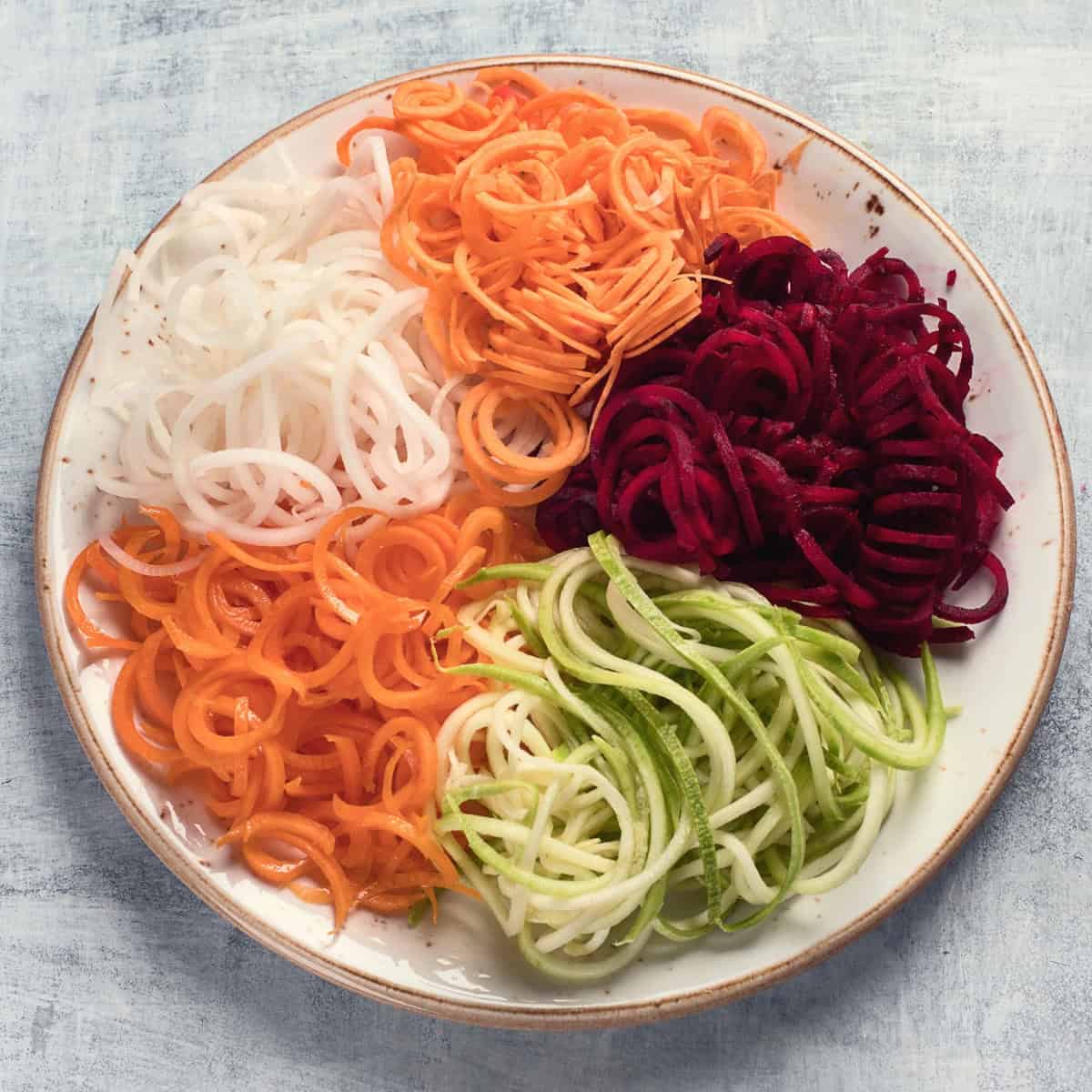
This guide explores the best vegetables to spiralize and offers tips on how to incorporate them into various dishes.
Noodles are a classic component of global cuisine, from Italian spaghetti to Japanese soba. If you’re seeking a lighter, nutrient-rich alternative to traditional noodles, veggie noodles offer a delicious and wholesome option.
They’re not just full of fiber and essential nutrients—they also bring an exciting mix of colors, textures, and tastes to your dinner plate.
Ways to Enjoy Veggie Noodles
Unlike standard pasta, vegetable noodles often require minimal cooking. Usually, you can simply toss them into your favorite hot sauce for a quick and healthy meal.
They’re also perfect for fresh, cold salads mixed with zesty dressings.
For added flavor and tenderness, give them a quick sauté with some olive oil, garlic, herbs, or your go-to stir-fry sauce.
Choosing the Right Vegetables for Spiralizing
If you’re new to the world of veggie noodles, opt for firm, straight vegetables that are easier to handle and spiralize. Curvy or soft veggies can be tricky and result in uneven noodles.
Tools to Turn Veggies Into Noodles
There’s no shortage of gadgets that make transforming vegetables into noodles a breeze. Here are a few favorites:
- Spiralizer: The classic tool, offering different blades to customize noodle thickness and shape.
- Julienne Peeler: A budget-friendly option that produces slim strips similar to spaghetti.
- Mandoline Slicer: Great for even, thin slices and julienned cuts—perfect if you prefer uniformity in your veggie noodles.
- Vegetable Spiral Slicer: A compact and easy-to-use option for making curly veggie spirals.
- Regular Vegetable Peeler: If you’re short on fancy tools, a basic peeler can still create wide, ribbon-like strips.
Each of these tools has its perks, so choose one based on your kitchen habits and how often you’ll be spiralizing.
Top Vegetables to Use for Veggie Noodles
“Making spiralized noodles out of veggies is incredibly easy to do! Zucchini is the most common you’ll see and one of the easiest. They are a great low carb noodle substitute if you’re trying to reduce your carbohydrate intake or go gluten free.” — Lara Clevenger, Lara Clevenger
From popular choices like zucchini to more unexpected options like turnip and bell pepper, here’s a rundown of the best veggies for noodle-making:
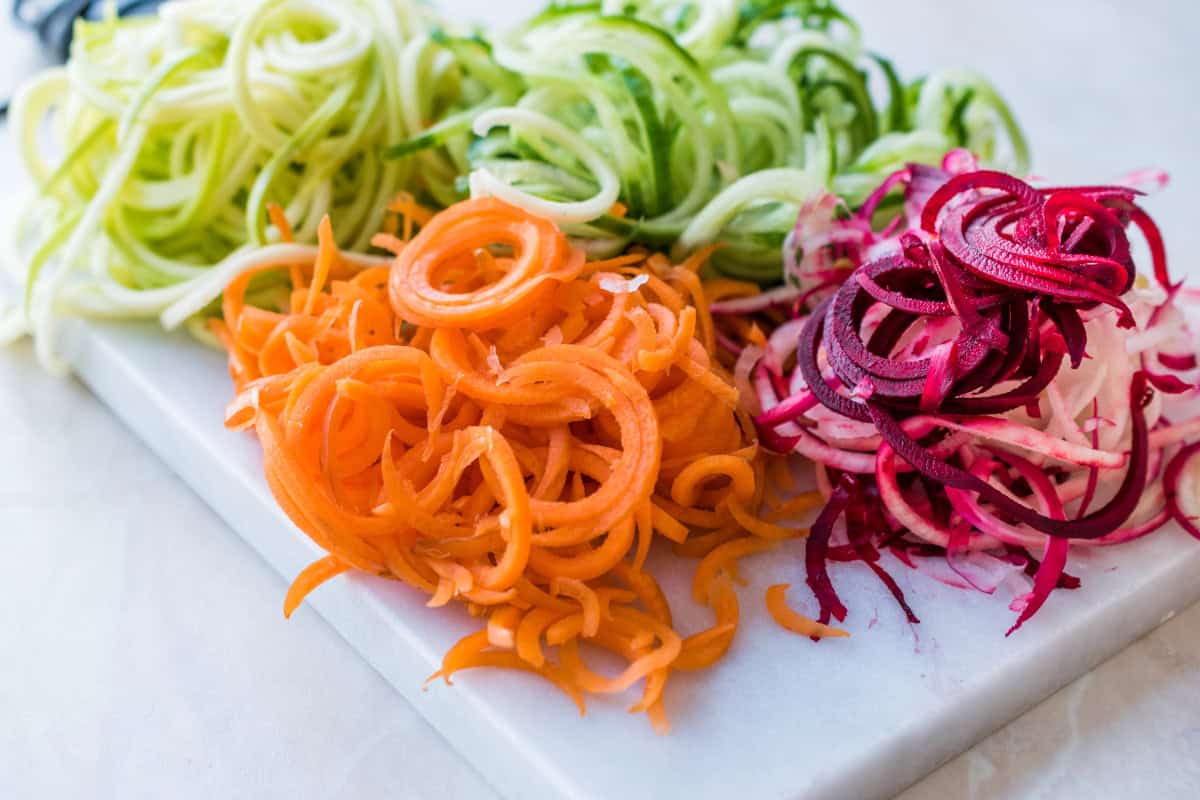
Zucchini Noodles
Zucchini noodles, also called “zoodles,” zucchini noodles are a fan favorite. Their neutral flavor and quick-cooking nature make them a flexible choice for countless dishes. You can sauté, boil, or bake them—or simply toss with a hot sauce and serve.
Carrot Noodles
These slightly sweet, vibrant noodles—nicknamed “cooldles”—add a punch of color and crunch. They work beautifully with tangy dressings or spicy sauces.
Sweet Potato Noodles
Swoodles, made from sweet potatoes, are dense and flavorful. Sweet potato noodles are ideal for both sweet and savory recipes, from coconut curries to cinnamon-sugar baked dishes.
Beet Noodles
Beet noodles bring a deep, rich red hue and an earthy flavor to the table. Use them to add color and nutrition to salads or grain bowls.
Cucumber Noodles
Cucumber noodles are light, crisp, and perfect for raw dishes. They are your best friend on a hot day. Spiralize or peel them for sushi rolls, salads, or chilled noodle bowls. They can be eaten raw or lightly sautéed. To make cucumber noodles, all you need is a vegetable peeler. Thicker slices are great for Naruto or cucumber sushi rolls.
Squash Noodles
Butternut squash and other squashes, such as spaghetti or delicata, are perfect for spiralizing. Their slightly sweet flavor makes them great for fall-inspired meals. Roast or pan-sear for best results.
Parsnip Noodles
With a subtle sweetness and creamy texture, parsnip noodles shine in hearty recipes, especially when paired with roasted veggies and savory sauces.
Asparagus Noodles
White asparagus, with its tender and mellow flavor, makes unique veggie noodles. They require a bit more cooking—about 10 minutes—to achieve the right texture, but the result is worth it. A creamy sauce makes them sing.
Broccoli Noodles
While most people are familiar with using broccoli florets in their cooking, you can also turn stems into long, thin noodles. They work well in stir-fries or as a base for cold noodle salads.
Bell Pepper Noodles
Bell peppers can be thinly sliced into curly strips. They add sweetness, crunch, and a pop of color, especially when mixed into salads or sautéed dishes.
Cabbage Noodles
Cabbage noodles are crunchy, mildly sweet, and easy to prepare with a mandoline or knife. They’re great in slaws or quick-fry meals.
Onion Noodles
Want to elevate your stir-fry or burger topping? Use thinly sliced onions for slightly sweet, savory noodle-like strands.
Radish Noodles
Spiralized radishes add a peppery kick and crunchy bite to any dish. Try them in tacos, salads, or as an unexpected garnish.
Turnip Noodles
Turnips are a versatile root vegetable that spiralizes beautifully into noodles with a mild taste. Excellent for cold noodle salads or simple sautés.
Palmini Noodles
These noodles are made from the inner core of palm trees. Palmini noodles are firm, low-carb, and great for keto or gluten-free diets. They’re mild in flavor and adapt well to rich sauces. They are a low-carb, gluten-free alternative to traditional pasta and great as keto baked pasta.
Overall, vegetable noodles are a fun and nutritious alternative to traditional pasta noodles. Experimenting with different vegetables can help add variety to your diet while providing essential vitamins and minerals.
How to Store Your Veggie Noodles
Storing veggie noodles is easy and convenient. Store them in an airtight container in the refrigerator for up to 4 days. For longer storage, freeze them flat on a baking sheet and then transfer them to a container. When ready to eat, just sauté them until warmed through.
Final thoughts
Veggie noodles are a tasty, vibrant alternative to traditional pasta. With so many veggie options and cooking techniques to try, you’ll never run out of delicious, nutrient-packed ways to enjoy noodles.