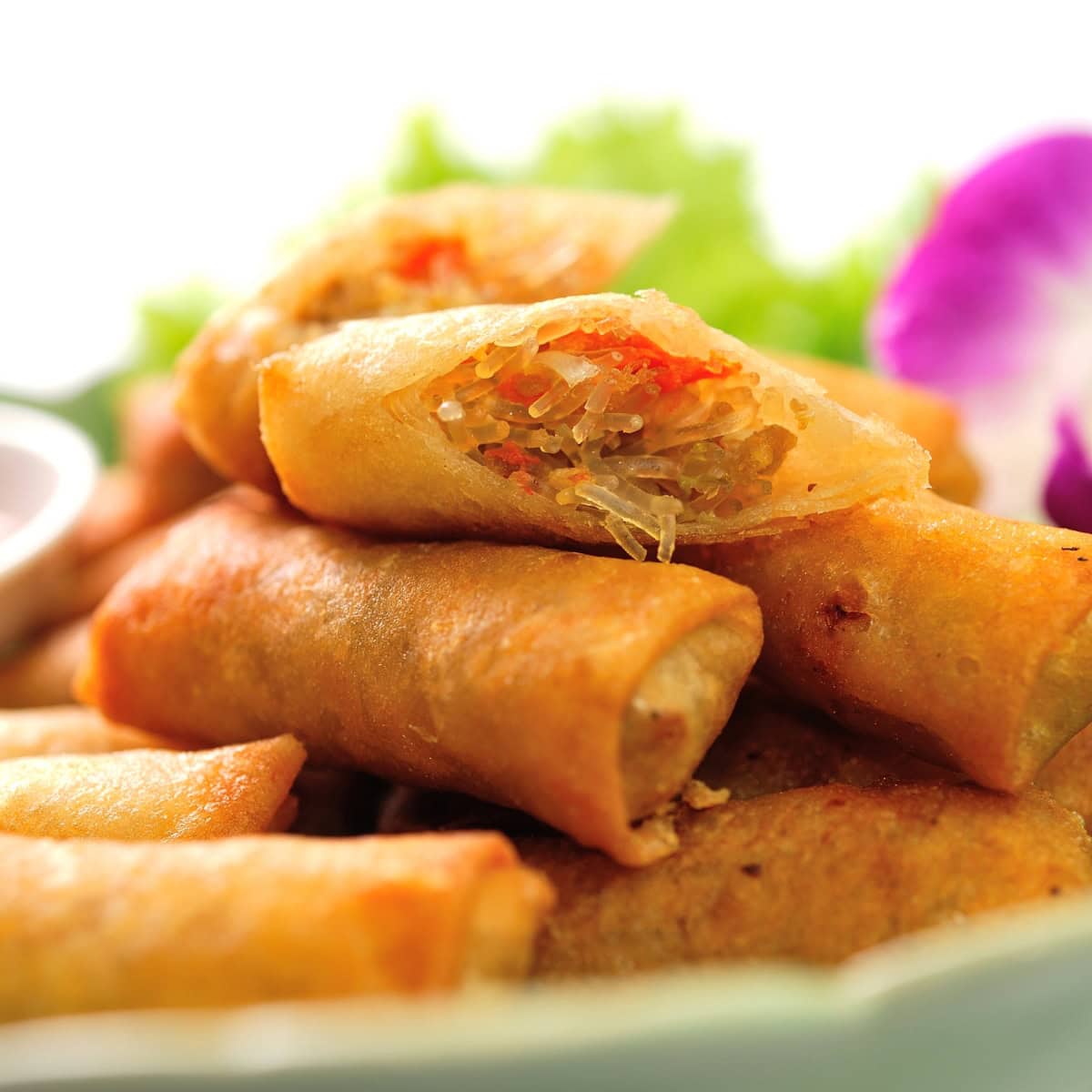
If you cook Asian food regularly, chances are you have both fish sauce and soy sauce somewhere in your kitchen. They may look similar sitting in their bottles, and both bring plenty of salty, savory flavor to a dish, but they are definitely not interchangeable in every recipe.
Understanding the differences between fish sauce and soy sauce makes it much easier to season stir-fries, marinades, noodles, soups, and dipping sauces with confidence.
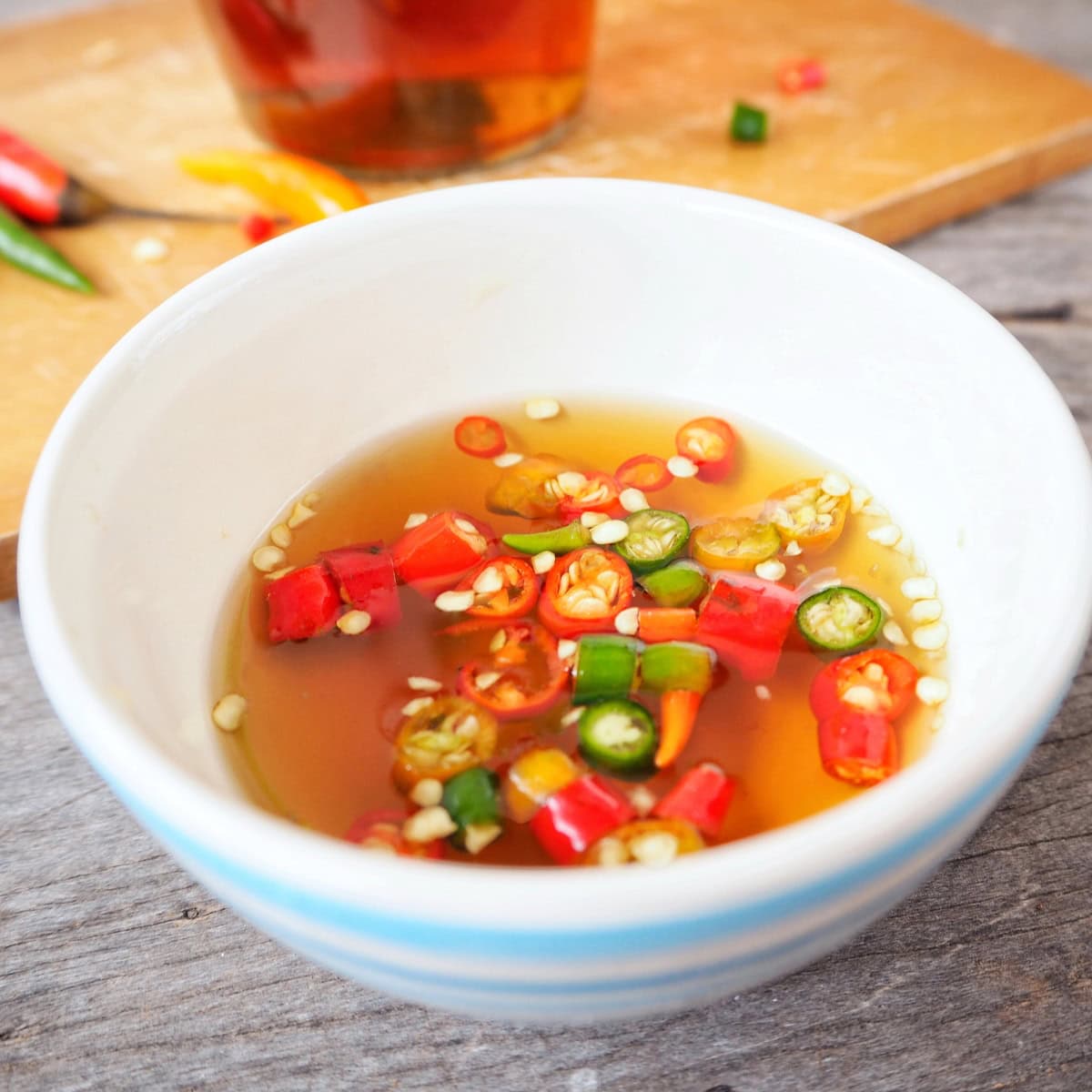
The simplest difference is what they’re made from. Fish sauce is traditionally produced by fermenting fish, usually anchovies, with salt. Soy sauce is primarily made by fermenting soybeans and wheat, although ingredients vary by style and brand. That difference gives fish sauce a more intense, distinctly funky aroma and a more concentrated, savory flavor, while soy sauce has a rounder, toasted, salty umami character.
I keep both in my pantry because they do different jobs. Soy sauce is something I reach for almost automatically when making a quick stir-fry, while just a small splash of fish sauce can completely transform a soup or noodle dish. Once you understand what each sauce contributes, choosing between fish sauce and soy sauce becomes much simpler.
What Is Fish Sauce?
Fish sauce is a fermented condiment especially important in Southeast Asian cooking, including Vietnamese and Thai cuisines. Traditional versions are made by layering small fish such as anchovies with salt and allowing the mixture to ferment. The resulting liquid is intensely savory, salty, and rich in umami.
If you’ve never cooked with it before, the smell straight from the bottle can seem surprisingly strong. Don’t let that discourage you. Once fish sauce is mixed into a dish and cooked or balanced with ingredients such as lime, sugar, garlic, and chili, its sharp aroma mellows and contributes remarkable depth.
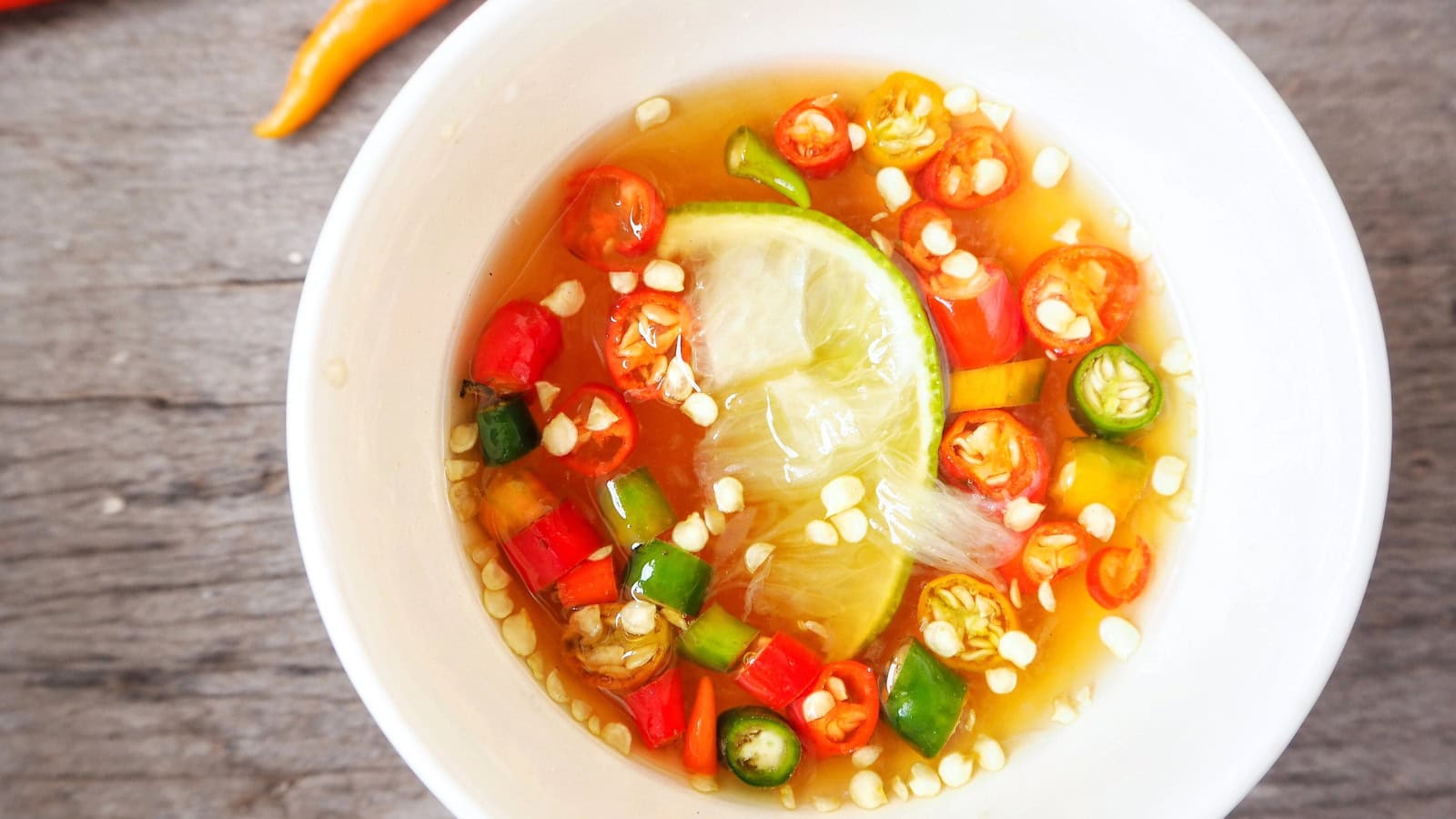
Fish sauce is especially useful in dipping sauces, noodle dishes, soups, curries, marinades, fried rice, and stir-fries. A little usually goes a long way.
What Is Soy Sauce?
Soy sauce is a fermented condiment with deep roots in Chinese cuisine and numerous variations throughout Asia. Traditional soy sauce is produced using soybeans, and wide varieties also contain wheat, salt, and water.
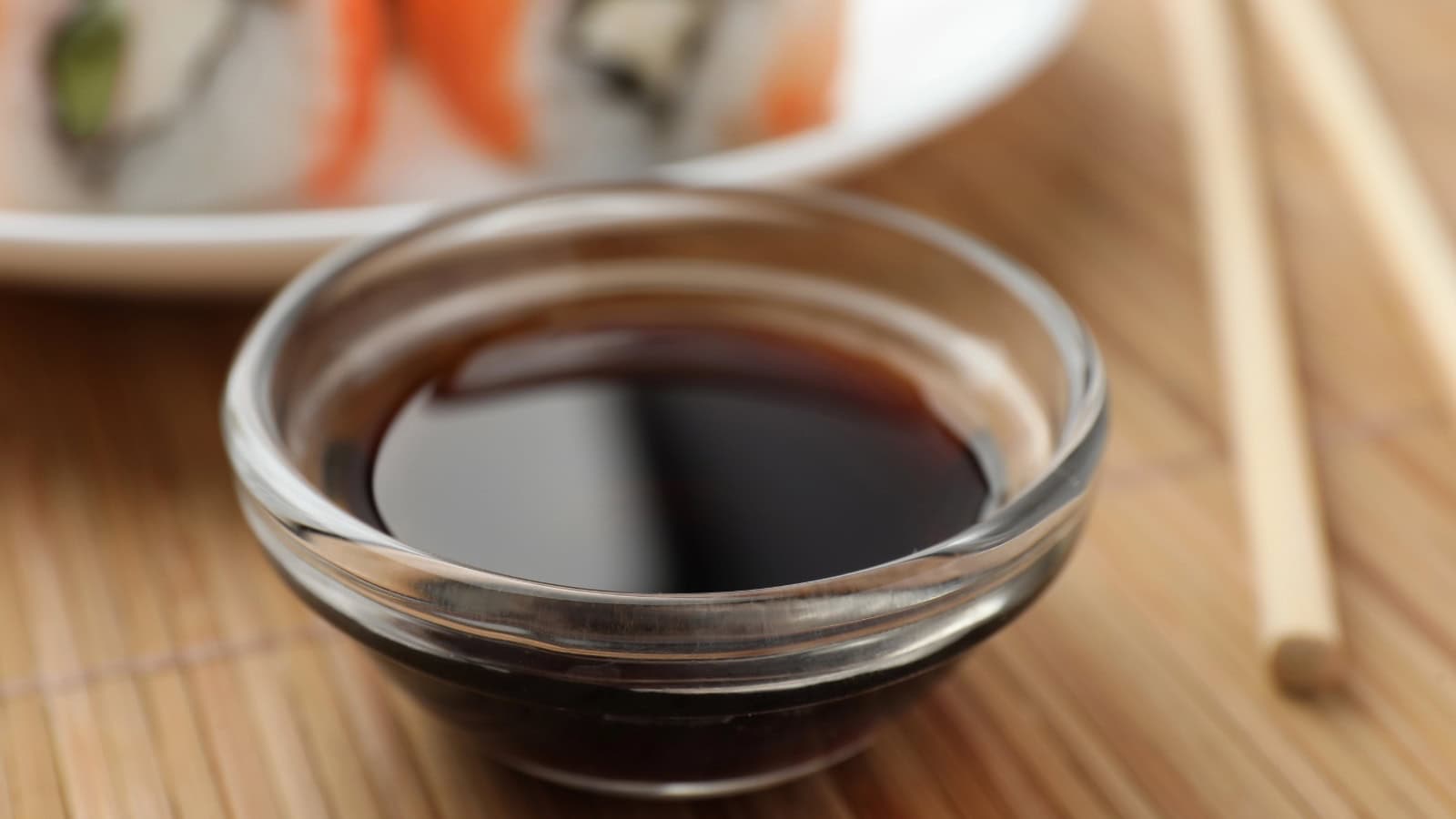
There isn’t just one type. Light soy sauce, dark soy sauce, Japanese shoyu, tamari, and other regional varieties have different levels of saltiness, sweetness, color, and complexity. Even a comparison such as shoyu sauce vs soy sauce is really a comparison between a specific Japanese style and the much broader soy sauce category.
Soy sauce has a savory, salty flavor with fermented and sometimes slightly sweet or roasted notes. It works particularly well in stir-fries, fried rice, noodle dishes, marinades, braises, dumpling sauces, and countless other recipes.
Fish Sauce vs Soy Sauce: What’s the Difference?
The biggest difference in the taste of fish sauce vs. soy sauce comes from their ingredients and fermentation.
Fish sauce has an intense, salty, savory flavor with a noticeable fermented-fish character. Used correctly, however, it shouldn’t necessarily make your finished food taste overwhelmingly fishy. Instead, it can add an almost invisible layer of savory depth.
Soy sauce tastes salty and umami-rich but generally has a softer, more rounded fermented flavor. Depending on the variety, you might also notice malty, roasted, slightly sweet, or earthy notes.
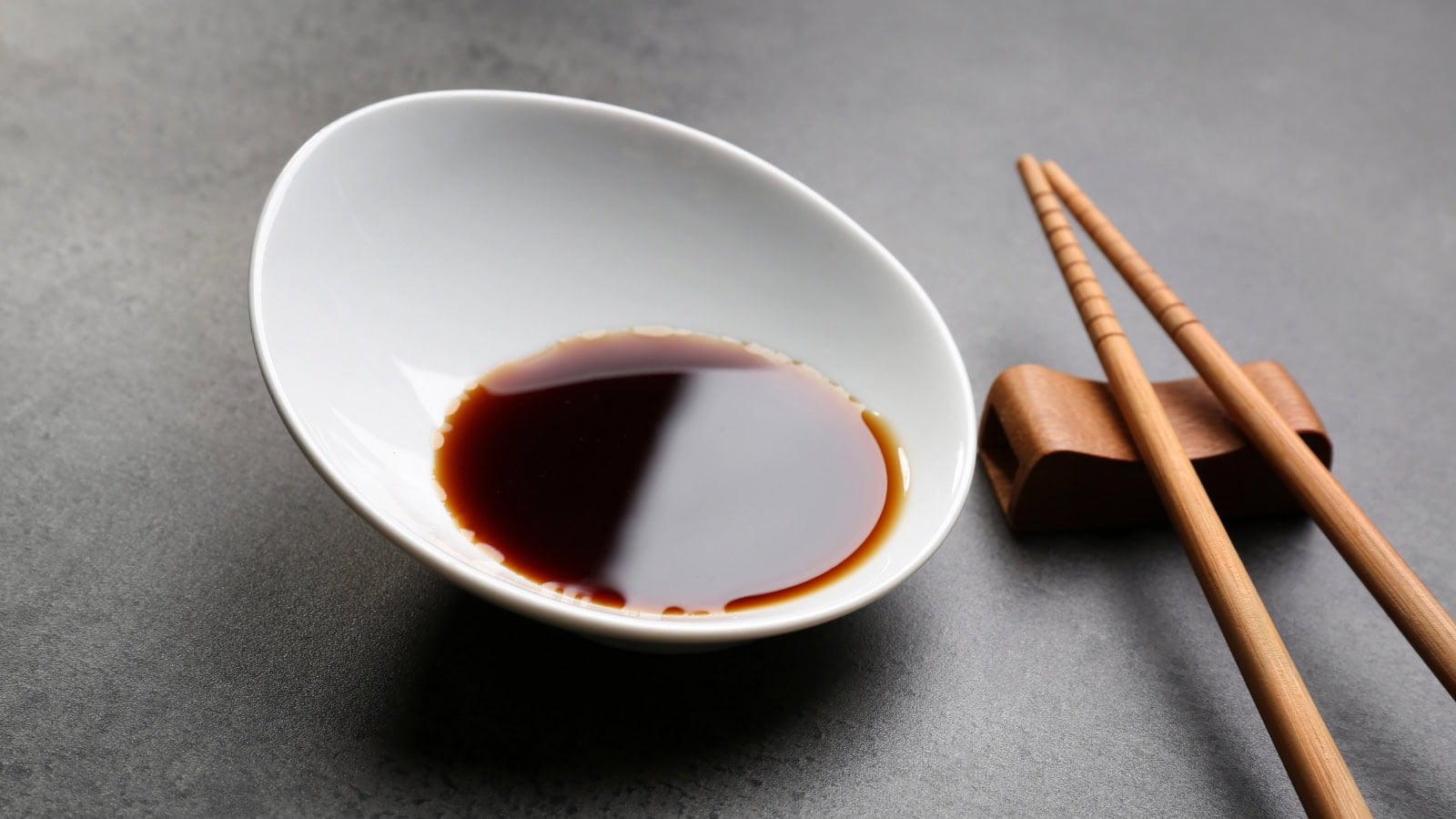
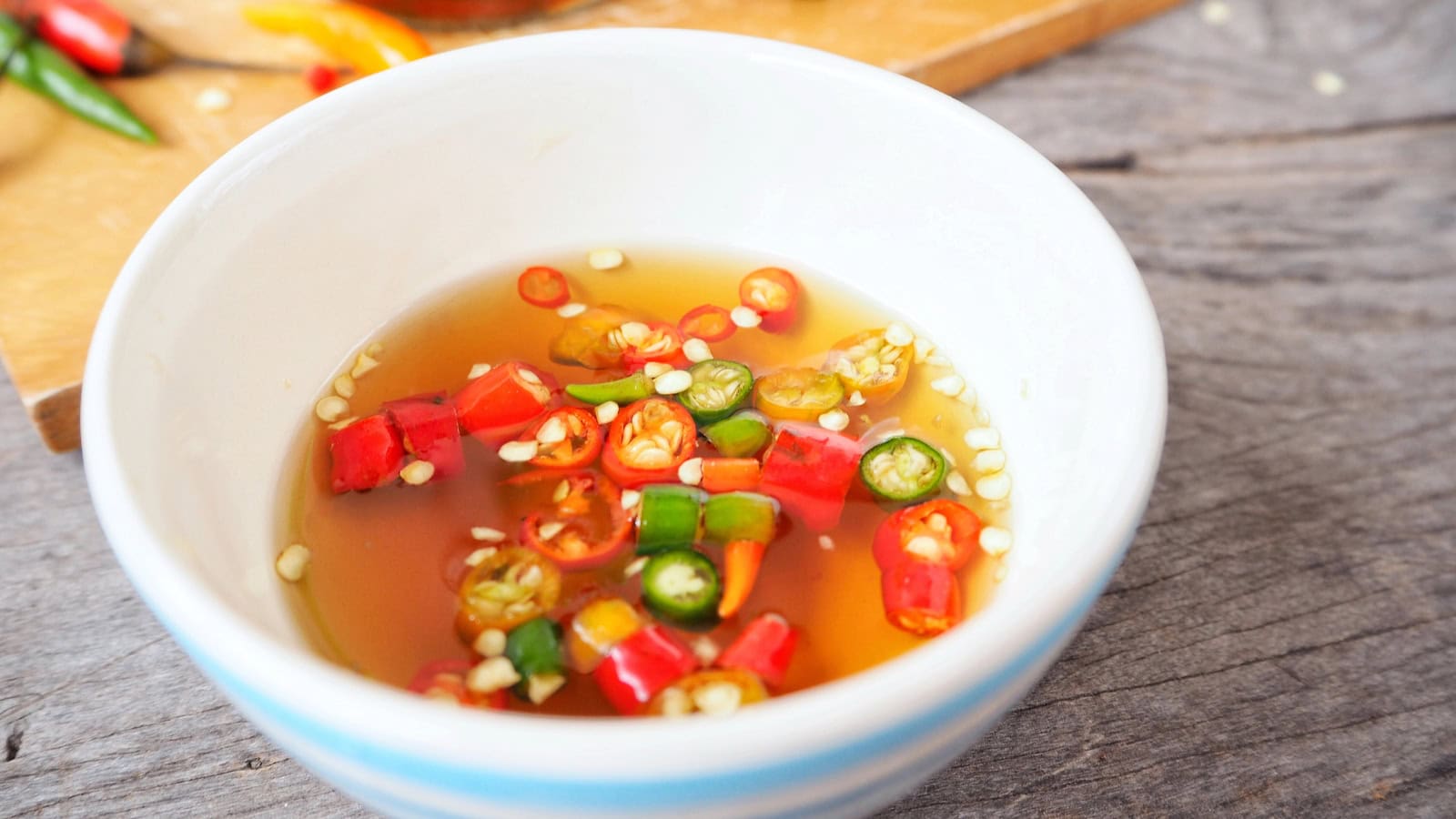
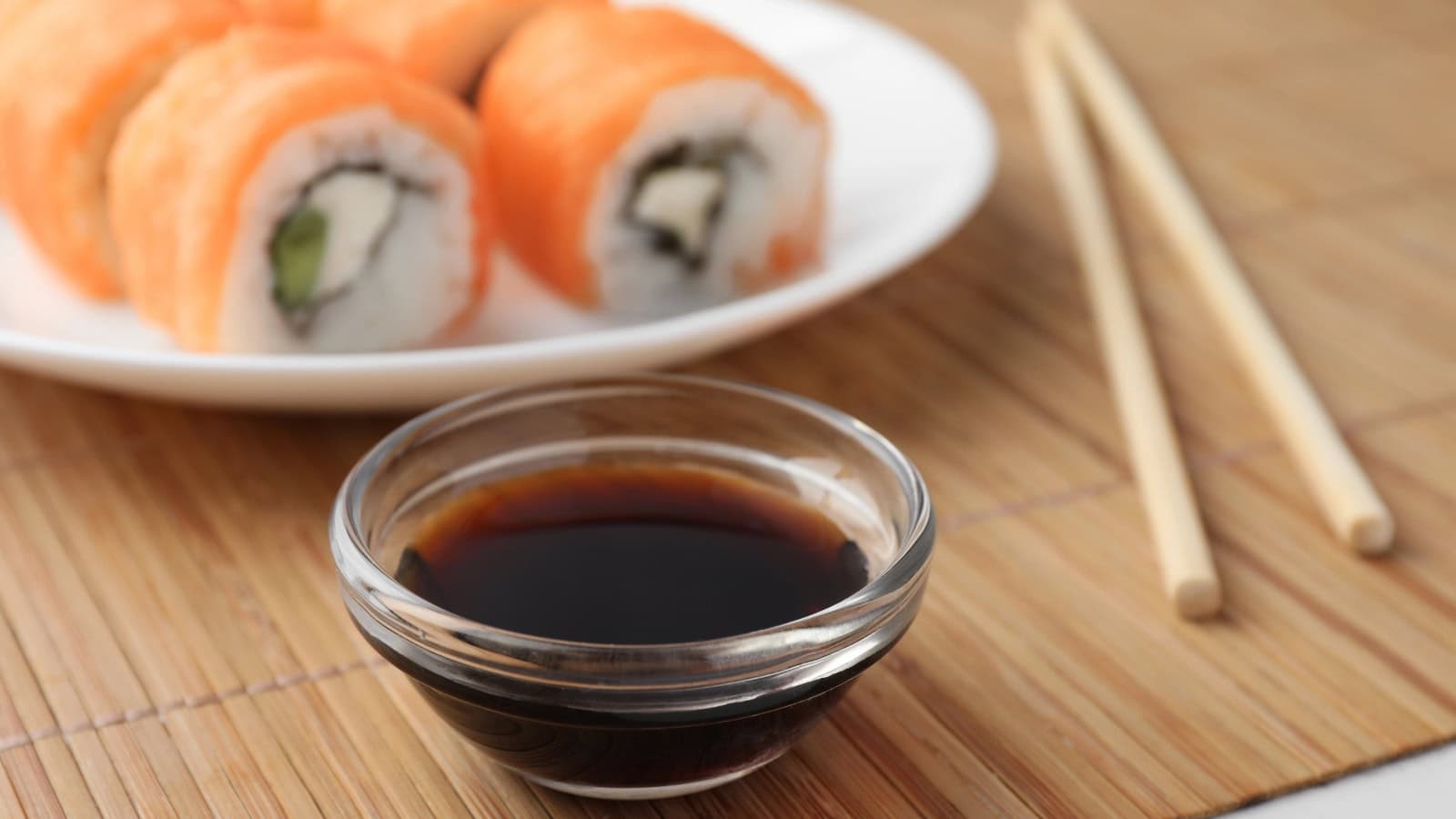
Their appearance is different as well. Many fish sauces are relatively thin and translucent with an amber or reddish-brown color. Soy sauce is usually darker, particularly varieties intended to add both seasoning and color.
When choosing fish sauce vs soy sauce for chicken, consider the final flavor you want. Soy sauce is wonderful for Chinese-inspired marinades and stir-fries, while fish sauce can bring Southeast Asian-style depth to grilled, fried, or marinated chicken.
Can You Use Fish Sauce and Soy Sauce Together?
Absolutely. In fact, fish sauce and soy sauce can complement each other beautifully.
Soy sauce supplies body, saltiness, color, and familiar fermented savoriness. Fish sauce adds another layer of concentrated umami. Using small amounts of both can produce a sauce that tastes more complex without overpowering either ingredient.
I particularly like this combination in fried rice and quick stir-fries. Sometimes a dish tastes almost right but seems to be missing something. Instead of adding more salt, a tiny splash of fish sauce can provide the depth it needs.
Just remember that both sauces are salty. Start conservatively, taste, and add more only when necessary.
Fish Sauce vs Soy Sauce vs Oyster Sauce
The fish sauce vs soy sauce vs oyster sauce comparison is useful because all three can add savory flavor to Asian cooking, but their textures and purposes differ.
Fish sauce is thin, intensely salty, and deeply savory. Soy sauce is also thin but has a more rounded fermented soybean flavor. Oyster sauce is noticeably thicker and typically has a savory-sweet character.
The oyster sauce flavor works particularly well in stir-fried vegetables, beef, chicken, and noodles, as well as in dishes where you want a glossy sauce. If you’ve wondered if oyster sauce is sweet, the answer is that it usually has some sweetness, although savory umami remains a major part of its flavor.
Can you use oyster sauce instead of soy sauce? Sometimes, but not as an equal substitution. Oyster sauce is thicker and sweeter, so replacing soy sauce directly can change both the consistency and flavor of a recipe.
Fish Sauce vs Hoisin Sauce
The comparison between fish sauce and hoisin sauce is even more distinct. Fish sauce is thin, salty, fermented, and intensely savory, whereas hoisin sauce is thick, dark, and noticeably sweeter.
So, is hoisin sauce sweet? Yes. Sweetness is an important part of the typical hoisin sauce flavor profile, along with salty and savory notes.
And is hoisin sauce the same as fish sauce? No. Despite both appearing frequently in Asian cooking, they have very different ingredients, textures, and uses. Hoisin is generally a soybean-based sauce rather than a fermented fish sauce.
Similarly, hoisin sauce vs soy sauce isn’t an even swap. Hoisin is much thicker and sweeter than regular soy sauce. If you’re wondering if hoisin sauce is like soy sauce, they share savory qualities, but their overall flavors and culinary purposes are quite different.
Best Uses for Fish Sauce and Soy Sauce
Fish sauce shines when a recipe needs concentrated umami without much added volume. Try it in Vietnamese-style dipping sauces, Thai-inspired curries, noodle dishes, marinades, soups, and fried rice. It can even deepen dishes that don’t prominently feature fish.
Soy sauce is particularly versatile for stir-frying, marinades, braising, fried rice, noodles, dipping sauces for dumplings, and seasoning vegetables or tofu. It is often the easier choice when you want straightforward salty-savory flavor.
For either sauce, add a little first. You can always add more, but correcting an overly salty dish is much harder.
Storing Fish Sauce and Soy Sauce
Both condiments have relatively long shelf lives because of their high salt content. Keep unopened bottles in a cool, dry pantry and always check the manufacturer’s storage directions after opening.
Fish sauce can become darker and more concentrated over time. Soy sauce also gradually changes in flavor after opening. Refrigerating opened soy sauce can help maintain its quality, particularly if you don’t use it frequently.
Always use clean utensils around bottle openings and keep caps securely closed to maintain the best flavor.
Fish Sauce and Soy Sauce Substitutions
If you need a fish sauce substitute, soy sauce can work in certain recipes, especially when the goal is simply to provide salt and umami. It won’t reproduce fish sauce’s distinctive fermented character, however.
For a vegetarian or vegan dish, soy sauce or tamari is often a practical alternative, but check individual labels if dietary requirements are important. You may need to adjust other ingredients to recreate some of fish sauce’s savory intensity.
Replacing soy sauce with fish sauce requires even more caution because fish sauce can taste significantly stronger. Rather than automatically substituting equal amounts, start with considerably less and adjust to taste.
Final Thoughts
When it comes to fish sauce vs soy sauce, neither one is better. They’re different seasonings designed to bring different kinds of savory complexity to food.
Fish sauce delivers intense fermented depth and is especially important in many Southeast Asian dishes. Soy sauce provides a rounded, salty umami flavor and is essential across numerous Asian cuisines. Oyster and hoisin sauces offer still more possibilities when sweetness, thickness, or a glossy finish is needed.
My favorite approach is simply to keep both fish sauce and soy sauce nearby. Once you start tasting as you cook instead of automatically reaching for one bottle, you’ll quickly learn what each can bring to a dish.
FAQs
Yes, in some recipes. Soy sauce can provide saltiness and umami when fish sauce isn’t available, but it won’t recreate its fermented seafood flavor. Start with a small amount and adjust according to taste.
Straight from the bottle, fish sauce has a noticeable fermented fish aroma and flavor. Once incorporated into food, however, it becomes much more balanced. In the right quantity, it often contributes savory depth rather than an obviously fishy taste.
Both can contain significant amounts of sodium, and the exact amount varies considerably by brand and variety. Check the nutrition labels if sodium is a concern rather than assuming one is always lower than the other.
No. Hoisin sauce and fish sauce are very different condiments. Hoisin is typically thick, sweet-savory, and soybean-based, while fish sauce is a thin, salty condiment traditionally produced by fermenting fish with salt.
Traditional hoisin sauce is generally not made from fish, but recipes and commercial formulations vary. If you avoid seafood because of an allergy or dietary preference, always check the ingredient label.
Traditional fish sauce is commonly produced by fermenting anchovies or other small fish with salt and extracting the resulting liquid. Products labeled anchovy sauce can vary considerably and may contain additional ingredients, so they’re not automatically interchangeable.
Either can work, depending on the cuisine and flavor you’re aiming for. Soy sauce gives a familiar salty, savory foundation, while fish sauce adds concentrated umami and fermented depth. Some stir-fry recipes use both for a more complex sauce.