
Have you ever started making your favorite stir-fry only to realize you’re out of sesame oil? Don’t worry, you have plenty of options. The best substitute for sesame oil depends on how you use it. Some oils mimic their cooking performance, while others come surprisingly close to their signature nutty flavor.
Sesame oil is a staple ingredient in many Asian dishes, adding a rich aroma and distinctive flavor that can elevate everything from fried rice and noodles to marinades and salad dressings. But whether you’ve run out, have a sesame allergy, or simply want to try a healthier option, there are several excellent oil substitutes that can step in.
In this guide, you’ll learn which substitute works best for high-heat cooking, which oils are ideal for finishing dishes, and how to replace the unique sesame flavor when it matters most. We’ll also compare smoke points, flavors, and the best uses for each option so you can choose the right replacement with confidence.
What Is Sesame Oil?
Before choosing an alternative, it’s helpful to understand why sesame oil is so unique.
Sesame oil is made by pressing sesame seeds, but not all sesame oil is the same. The two most common varieties have very different purposes in the kitchen.
Regular sesame oil is made from raw seeds and has a light color with a relatively neutral flavor. Because it has a higher smoke point, it’s commonly used for sautéing, stir-frying, and everyday cooking.
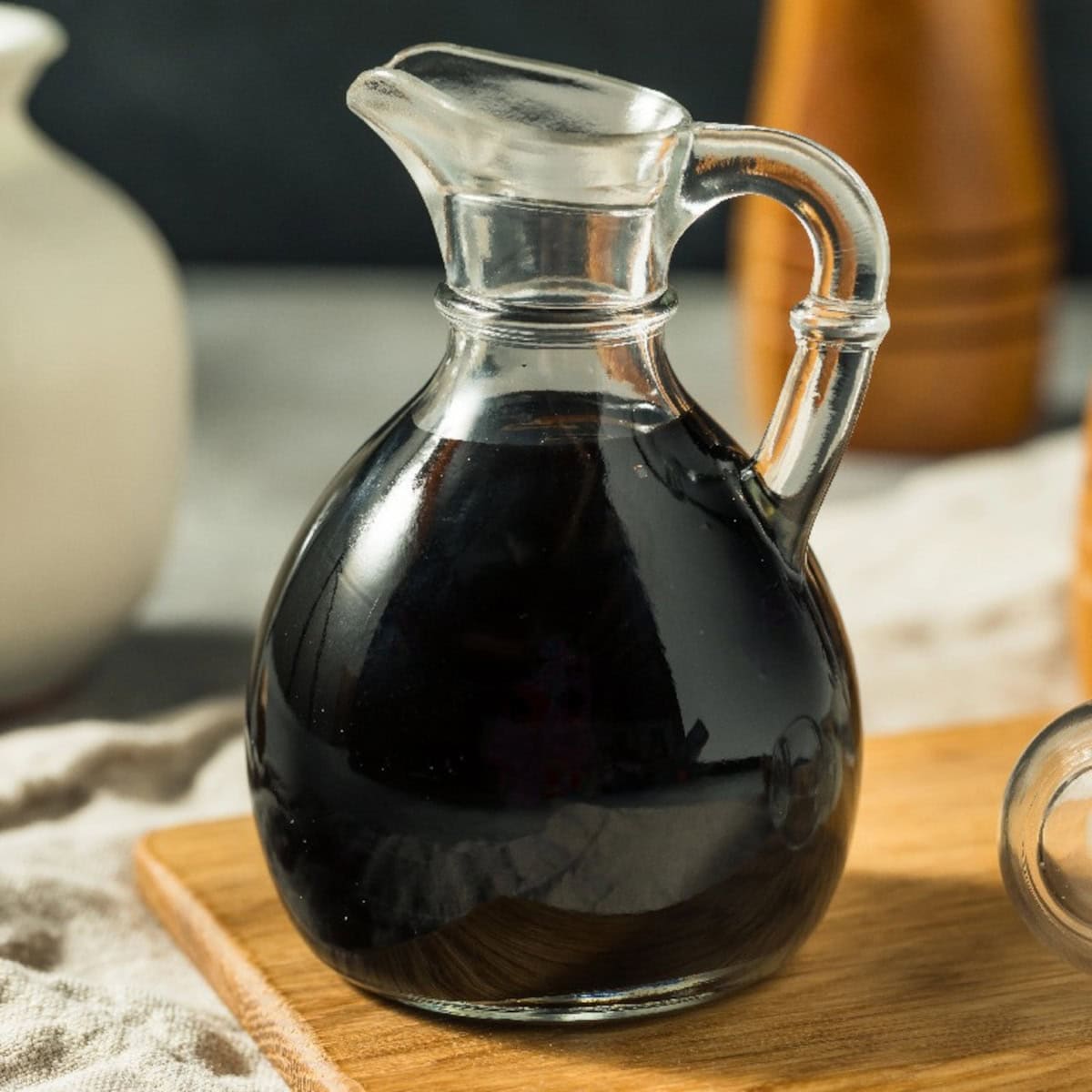
Toasted sesame oil, on the other hand, is made from roasted or toasted sesame seeds. It has a deep amber color, an intense aroma, and the unmistakable nutty taste that makes so many Asian dishes memorable. Since toasted sesame oil has a lower smoke point, it’s usually added at the end of cooking rather than used for high-heat frying.
Knowing which type your recipe calls for is the first step toward choosing the best sesame oil alternative.
Can You Substitute Sesame Oil?
Absolutely. In many recipes, replacing sesame oil is easier than you might think.
If sesame oil is mainly used as a cooking fat, choosing another seed oil or neutral oil with a similar smoke point works perfectly. Oils like canola oil, avocado oil, and peanut oil can handle high heat while letting other ingredients shine.
However, if the recipe relies on toasted sesame oil for its rich aroma, you’ll want an alternative that offers a similar roasted, nutty flavor. Ingredients like walnut oil or even a small amount of tahini can help recreate that distinctive taste.
The key is deciding whether you’re replacing sesame oil for its cooking properties or its flavor.
1. Avocado Oil: The Best All-Around Substitute for Sesame Oil
If you only have one oil in your pantry, avocado oil is probably your best bet.
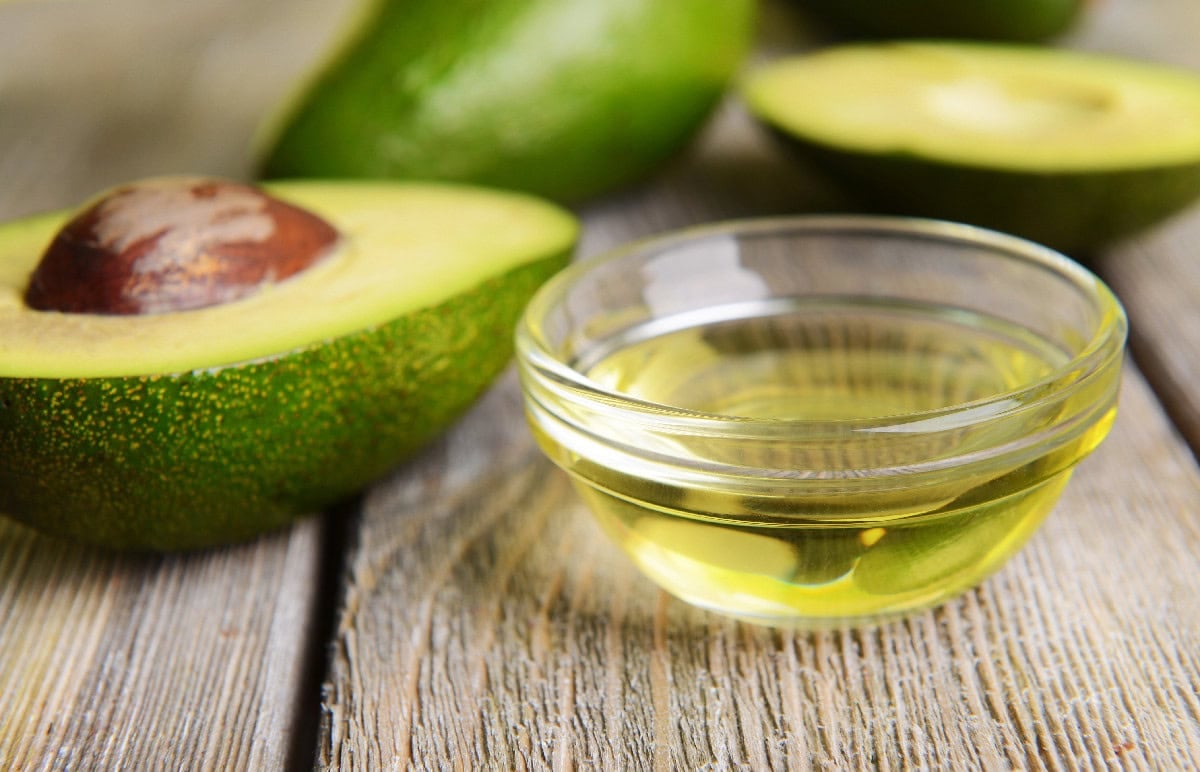
It has a very high smoke point, making it ideal for stir-frying, roasting, pan-frying, and almost any type of high-heat cooking. Its mild flavor won’t overpower your dish, letting garlic, ginger, soy sauce, and other seasonings stand out.
Although avocado oil doesn’t provide the same toasted aroma as sesame oil, it’s one of the healthiest replacements thanks to its heart-healthy monounsaturated fats.
It’s an excellent choice for stir-fries, fried rice, roasted vegetables, and just about any everyday Asian recipe.
2. Peanut Oil: The Closest Match for Asian Cooking
When making Chinese or other Asian recipes, peanut oil is one of the closest substitutes.
Its subtle nutty flavor complements many of the same dishes that traditionally call for sesame oil. It also has a high smoke point, making it perfect for wok cooking and deep frying.
Because peanut oil has been widely used in Chinese restaurants for decades, you’ll notice that many familiar takeout flavors already rely on it.
Keep in mind that peanut oil isn’t suitable if anyone has a peanut allergy.
Peanut oil works especially well in stir-fries, noodle dishes, fried rice, and other high-heat Asian recipes.
3. Canola Oil: A Budget-Friendly Neutral Substitute
If your recipe simply needs cooking oil, canola oil is an excellent choice.
Its neutral flavor won’t compete with your other ingredients, and its relatively high smoke point makes it versatile enough for sautéing, roasting, and frying.
While canola oil lacks sesame’s signature aroma, you can easily add a sprinkle of toasted sesame seeds at the end of cooking to introduce some of that familiar flavor and texture.
This combination often works surprisingly well when you don’t have toasted sesame oil on hand.
It’s a practical option for stir-fries, baking, roasting, and everyday cooking when you need a neutral oil.
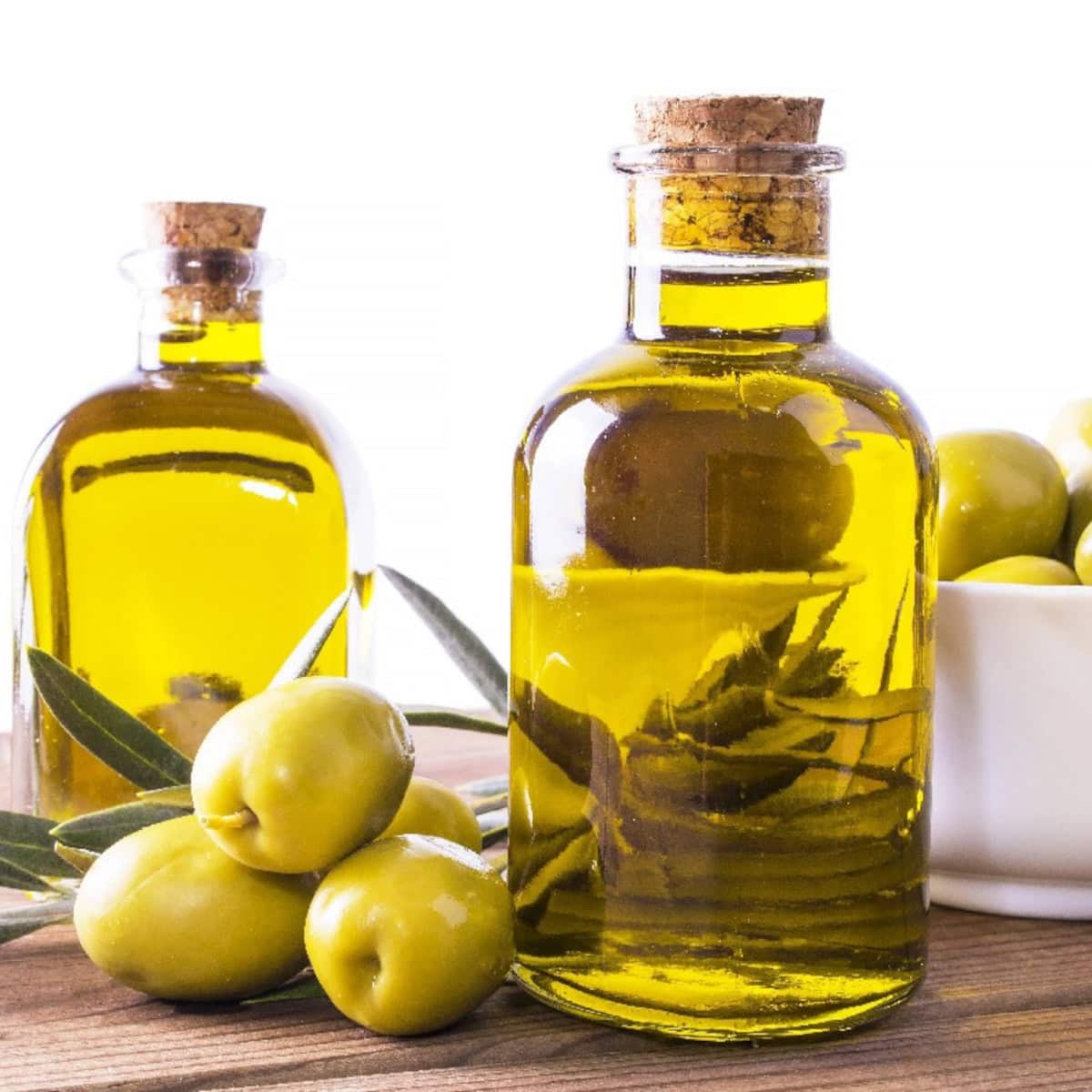
4. Olive Oil: A Convenient Pantry Substitute
Many people ask, “Can I substitute olive oil for sesame oil?” The answer is yes, but it depends on the recipe.
Regular olive oil works well for sautéing vegetables, cooking proteins, and many everyday recipes. However, it doesn’t have the distinctive sesame flavor that toasted sesame oil brings to Asian dishes.
If you’re preparing Mediterranean-inspired meals or simply need cooking oil, olive oil is a perfectly acceptable substitute.
For authentic Asian recipes, though, you’ll notice a difference in taste.
5. Extra Virgin Olive Oil: Best for Cold Applications
Extra virgin olive oil has a richer, fruitier flavor than regular olive oil.
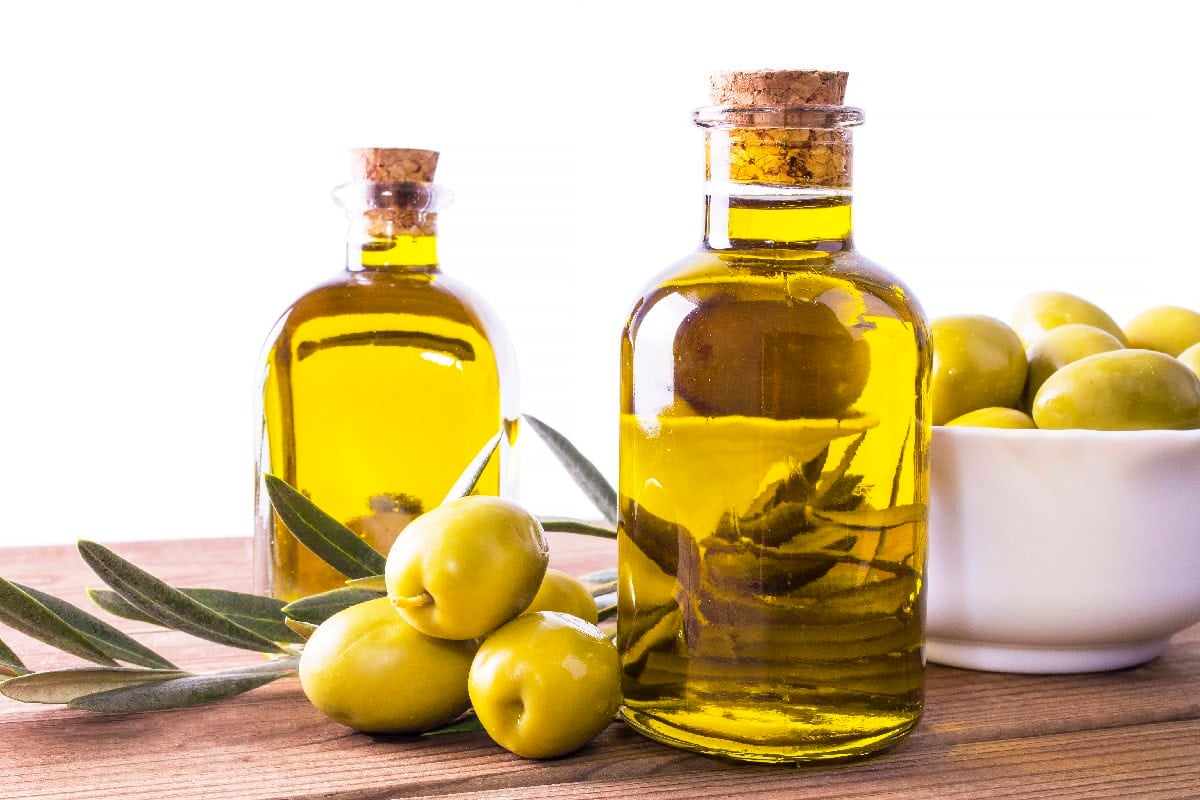
Because it has a lower smoke point than oils like avocado or peanut oil, it’s best reserved for cold dishes or gentle cooking. It’s especially delicious in homemade salad dressings, marinades, or grain bowls.
Although extra-virgin olive oil won’t replicate sesame’s roasted flavor, its bold flavor can still add complexity to many recipes.
Avoid using it for high-heat stir-frying, where its low smoke tolerance can affect both flavor and performance.
6. Walnut Oil: The Best Substitute for Sesame Oil Flavor
If you’re trying to match the rich, roasted taste of toasted sesame oil, walnut oil is one of the closest alternatives.

Like toasted sesame oil, walnut oil has a naturally nutty flavor that shines in finishing applications. Drizzle it over noodles, steamed vegetables, rice bowls, or homemade dressings after cooking rather than heating it extensively.
Because walnut oil has a relatively low smoke point, it’s not the best choice for frying or high-heat cooking.
Instead, think of it as a finishing oil that adds depth and richness, much like toasted sesame oil does.
7. Grapeseed Oil: A Light and Versatile Alternative
If you’re looking for a mild-flavored oil that works in almost any recipe, grapeseed oil is an excellent substitute for sesame oil.

Its clean, neutral flavor won’t compete with bold ingredients like garlic, ginger, soy sauce, or chili paste, making it especially useful in Asian-inspired dishes. Grapeseed oil also has a relatively high smoke point, so it performs well for stir-frying, sautéing, and roasting.
While it won’t add the rich, nutty flavor of toasted sesame oil, it’s a dependable choice when the oil is used primarily as a cooking fat rather than a finishing ingredient.
Grapeseed oil is a great choice for stir-fries, sautéing, roasted vegetables, and other everyday recipes where you want a neutral cooking oil.
8. Sunflower Oil: A Neutral Oil for Everyday Cooking
Sunflower oil is another pantry staple that makes a reliable substitute for sesame oil in cooking.
It has a mild taste, a high smoke point, and works well for everything from pan-frying to baking. Because of its neutral flavor, it’s especially helpful when you want the seasonings in your recipe to take center stage.
Like canola oil, sunflower oil doesn’t offer the distinctive roasted sesame taste, but adding a sprinkle of toasted sesame seeds before serving can bring back some of that familiar aroma.
It’s a versatile option for frying, roasting, baking, and everyday cooking when you need a mild-flavored oil.
9. Perilla Oil: A Hidden Gem for Asian Cooking
Perilla oil may not be as common in Western kitchens, but it’s one of the best sesame oil alternatives for those who enjoy Korean or East Asian cuisine.
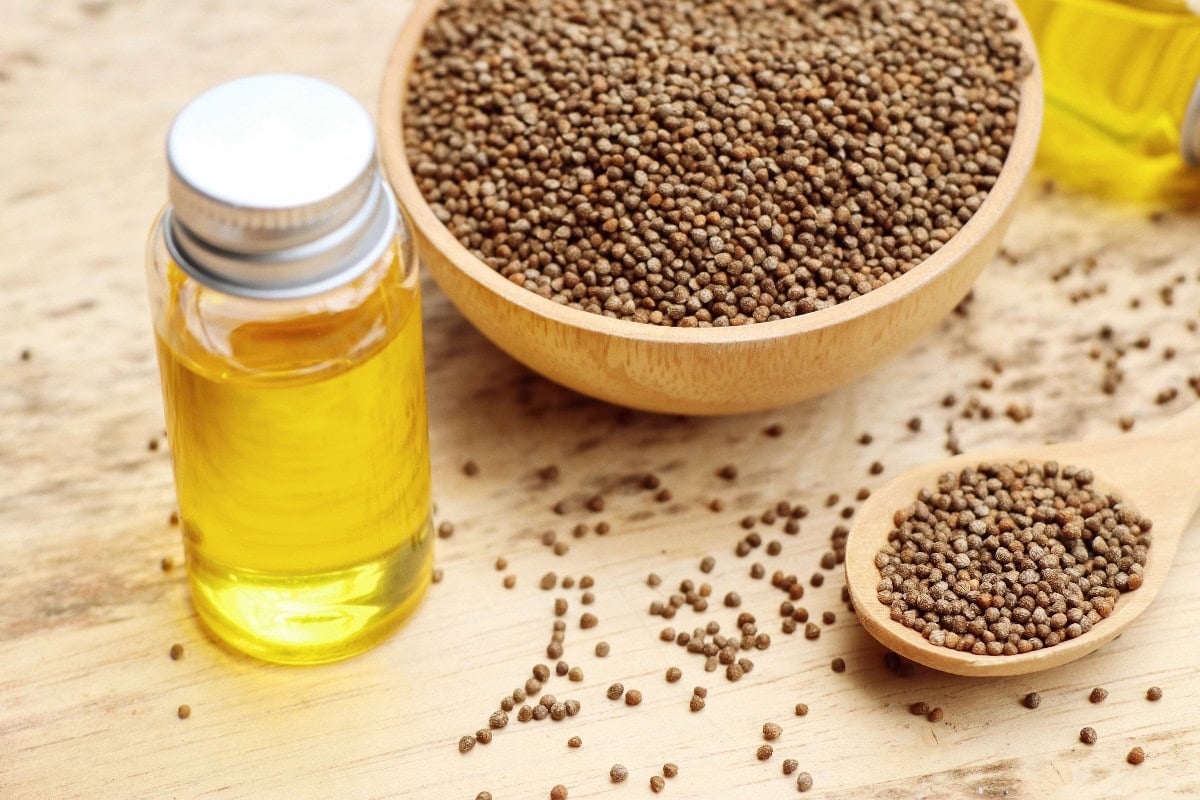
Made from perilla seeds, this seed oil has a rich, earthy flavor with subtle nutty notes. Although it isn’t identical to sesame oil, it complements many of the same dishes, including noodle bowls, rice dishes, and vegetable sides.
Because its flavor is more pronounced than neutral oils, a little goes a long way.
Perilla oil shines in Korean recipes, rice bowls, vegetable side dishes, and cold noodle salads where its unique flavor can really stand out.
10. Tahini: The Best Flavor Substitute
If your recipe is all about the roasted sesame taste rather than the oil itself, tahini is one of the smartest swaps.
Tahini is made from ground sesame seeds, so it delivers an authentic sesame flavor that’s difficult to match with other ingredients. While it isn’t a cooking oil and shouldn’t be used for frying, it works beautifully in sauces, marinades, dips, and salad dressings.
If the consistency is too thick, simply whisk it with a little water or another neutral oil until it reaches the texture your recipe calls for.
Tahini is best used in dressings, marinades, dipping sauces, and noodle sauces where you want to recreate sesame’s rich, nutty flavor.
Best Substitute for Sesame Oil in Asian Cooking
Many readers specifically search for a substitute for sesame oil in Asian cooking, and the answer depends on the dish.
If sesame oil is being used for high-heat stir-frying, choose peanut oil, avocado oil, or canola oil. All three have a higher smoke point and hold up well in a hot wok.
If the recipe calls for a drizzle of toasted sesame oil at the end, walnut oil or tahini will come much closer to recreating its signature aroma and rich nutty flavor.
For the most authentic result, you can also finish the dish with toasted sesame seeds to add both texture and extra sesame flavor.
What Can I Substitute for Sesame Oil in Stir-Fry?
A good substitute for sesame oil in stir-fry should withstand high temperatures.
Avocado oil is my top choice because its high smoke point makes it ideal for stir-fries. Peanut oil is another excellent option if you want a subtle nutty flavor that’s common in Asian cooking. Canola oil and grapeseed oil also work well thanks to their neutral flavor and ability to handle high heat. If you’re replacing toasted sesame oil used as a finishing oil, add a drizzle of walnut oil or sprinkle on toasted sesame seeds after cooking.
If the recipe calls for toasted sesame oil at the end, drizzle a little walnut oil over the finished dish or sprinkle toasted sesame seeds over it for a similar nutty finish.
Best Substitute for Sesame Oil in Fried Rice
If you’re wondering about the best substitute for sesame oil in fried rice, you’ll be happy to know there are several excellent options.
For cooking the rice, peanut oil, avocado oil, or canola oil all produce delicious results because they tolerate high heat and allow the rice to crisp without burning.
To recreate the familiar sesame aroma, finish the fried rice with toasted sesame seeds or a small drizzle of walnut oil before serving.
This simple trick gives you much of the same flavor profile without using sesame oil itself.
Best Substitute for Sesame Oil in Baking
Although sesame oil isn’t commonly used in baking, some recipes call for it to add richness.
In these cases, a substitute for sesame oil in baking should have a mild taste that won’t overpower the finished dessert or bread.
For most baked goods, canola oil, sunflower oil, grapeseed oil, and light olive oil all work well because they have a mild flavor that won’t overpower cakes, muffins, or quick breads. They also provide plenty of moisture while letting the other ingredients shine.
Healthy Substitute for Sesame Oil
If you’re looking for a healthy substitute for sesame oil, several heart-friendly oils deserve a place in your pantry.
Avocado oil is often considered one of the healthiest choices thanks to its high level of monounsaturated fats and impressive smoke point.
Extra virgin olive oil is another excellent option for cold recipes and light sautéing. It’s rich in antioxidants and healthy fats, but its lower smoke point makes it better suited for salad dressings and light sautéing than high-heat stir-fries.
Walnut oil is another nutritious option that’s especially delicious as a finishing oil for salads, grain bowls, and roasted vegetables thanks to its naturally nutty flavor.
Substitute for Sesame Oil Allergy
If you have a sesame allergy, avoid sesame oil, toasted sesame oil, tahini, and sesame seeds altogether.
If you have a sesame allergy, avoid sesame oil, toasted sesame oil, tahini, and sesame seeds altogether. Instead, choose oils with similar cooking performance, such as avocado oil, canola oil, grapeseed oil, or sunflower oil. If you don’t have a peanut allergy, peanut oil is another excellent option for high-heat cooking.
If you’re trying to replace sesame oil’s nutty flavor, walnut oil can be a good choice if you don’t have a tree nut allergy. Always read ingredient labels carefully, as some flavored oils may be processed in facilities that also handle sesame.
Toasted Sesame Oil vs. Regular Sesame Oil
One of the biggest mistakes people make is treating all sesame oils the same.

Regular sesame oil is light in color and primarily used for cooking because it has a higher smoke point and a milder flavor.
Toasted sesame oil, however, is made from roasted sesame seeds and has a much richer, deeper taste. Because of its low smoke point, it’s best added after cooking as a finishing oil rather than heated in a hot pan.
Before choosing a replacement, check which variety your recipe calls for. A substitute that works beautifully for stir-frying may not provide the same flavor if the recipe depends on toasted sesame oil.
How to Replace Sesame Flavor
Sometimes it’s the flavor—not the oil—that matters most.
If your recipe tastes like it’s missing something after using a neutral oil, try one of these easy fixes:
- Sprinkle toasted sesame seeds over the finished dish.
- Stir in a small spoonful of tahini for sauces or dressings.
- Finish with a drizzle of walnut oil for extra nuttiness.
- Add roasted nuts, such as chopped peanuts, for another layer of flavor and crunch.
These simple additions help recreate the depth that sesame oil brings without overpowering the rest of the dish.
Final Thoughts
Finding the best substitute for sesame oil is easier than you might think. The right choice depends on whether you need an oil for high-heat cooking or you’re trying to recreate sesame oil’s distinctive nutty flavor.
For everyday cooking, avocado oil, peanut oil, and canola oil are among the most versatile options thanks to their neutral taste and high smoke points. If you’re replacing toasted sesame oil in dressings or finishing sauces, walnut oil and tahini come surprisingly close to capturing its signature richness.
The next time you discover you’re out of sesame oil, don’t let it stop your cooking. With one of these simple substitutes, you can still make delicious stir-fries, fried rice, marinades, and salad dressings with confidence.
FAQ
Avocado oil is one of the best all-purpose substitutes because of its mild flavor and high smoke point. If you’re replacing toasted sesame oil for its flavor, walnut oil or tahini is a better choice.
Yes, you can substitute olive oil for sesame oil in many recipes. Regular olive oil works well for sautéing and everyday cooking, while extra virgin olive oil is better suited for salad dressings and other cold dishes because of its lower smoke point.
Avocado oil, peanut oil, canola oil, and grapeseed oil are all excellent choices because they withstand the high heat of stir-frying.
Yes. Avocado oil and extra-virgin olive oil are both nutritious options rich in heart-healthy fats. Choose avocado oil for high-heat cooking and extra-virgin olive oil for cold applications.