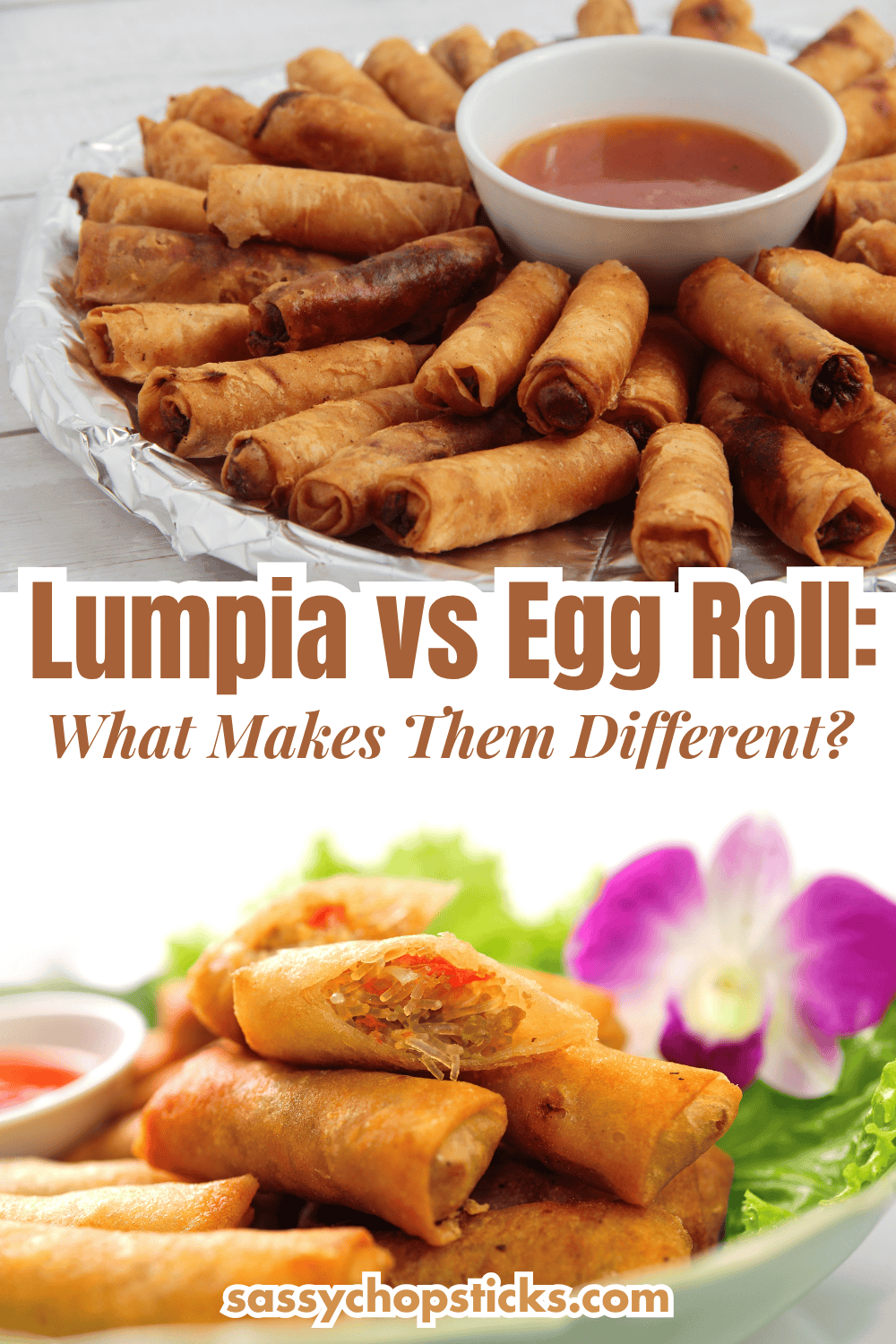
If you have ever stood in front of a platter of crispy fried rolls and wondered about lumpia vs egg roll, you are definitely not alone. At first glance, they can look pretty similar: both have savory fillings tucked inside wrappers, both are often fried until golden, and both taste even better with a good dipping sauce. But once you take a bite, the differences become much easier to spot.
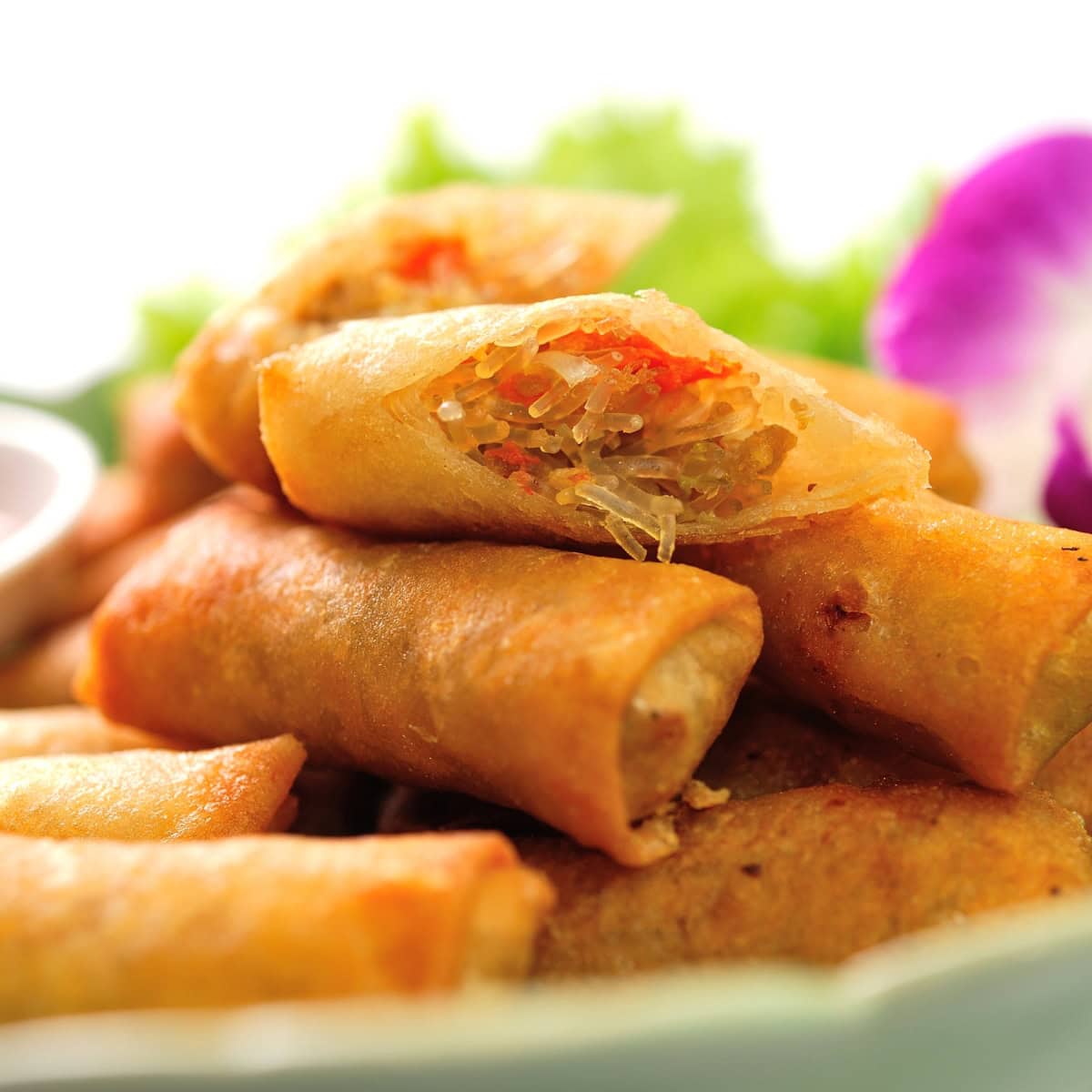
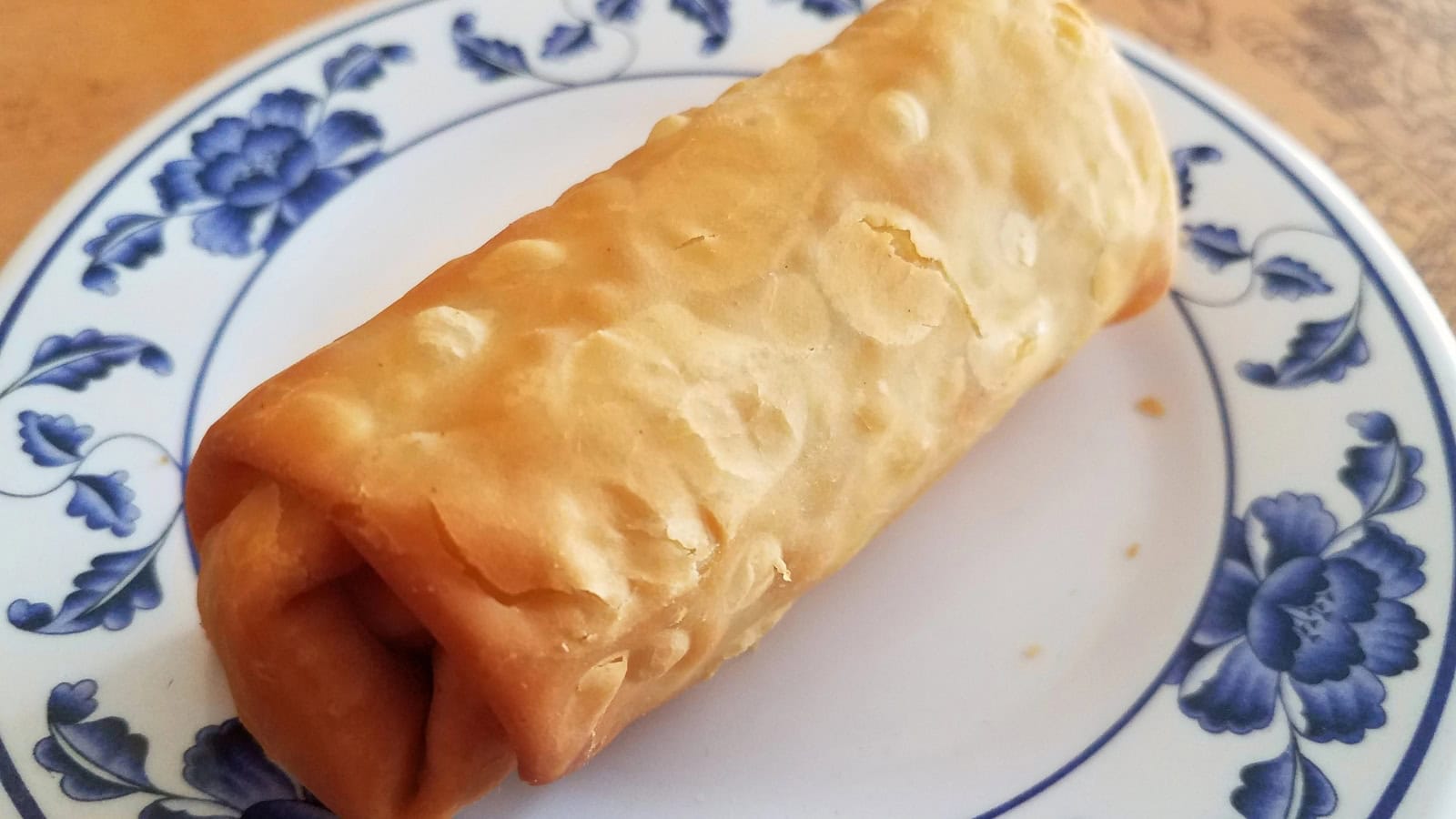
The biggest differences between lumpia and egg rolls lie in their cultural origins, wrappers, fillings, size, and texture. Lumpia is deeply rooted in Filipino food culture and was influenced by Chinese spring rolls. Filipino lumpia generally has a thinner, more delicate wrapper that fries up exceptionally crisp. Chinese American egg rolls typically use thicker wrappers, giving them a bubbly, sturdy, crunchy exterior.
I have always thought the wrapper tells you almost everything before you even reach the filling. Lumpia has that delicate, shatteringly crisp bite that makes it difficult to stop at one, while an egg roll feels heartier and more substantial. Both are delicious, but they offer very different eating experiences.
What Is Lumpia?
Lumpia is a Filipino roll with Chinese origins and generations of adaptation throughout the Philippines. There isn’t just one kind of lumpia, either. Depending on the recipe, the roll may be fresh or fried, savory or sweet, and filled with everything from vegetables and meat to bananas.
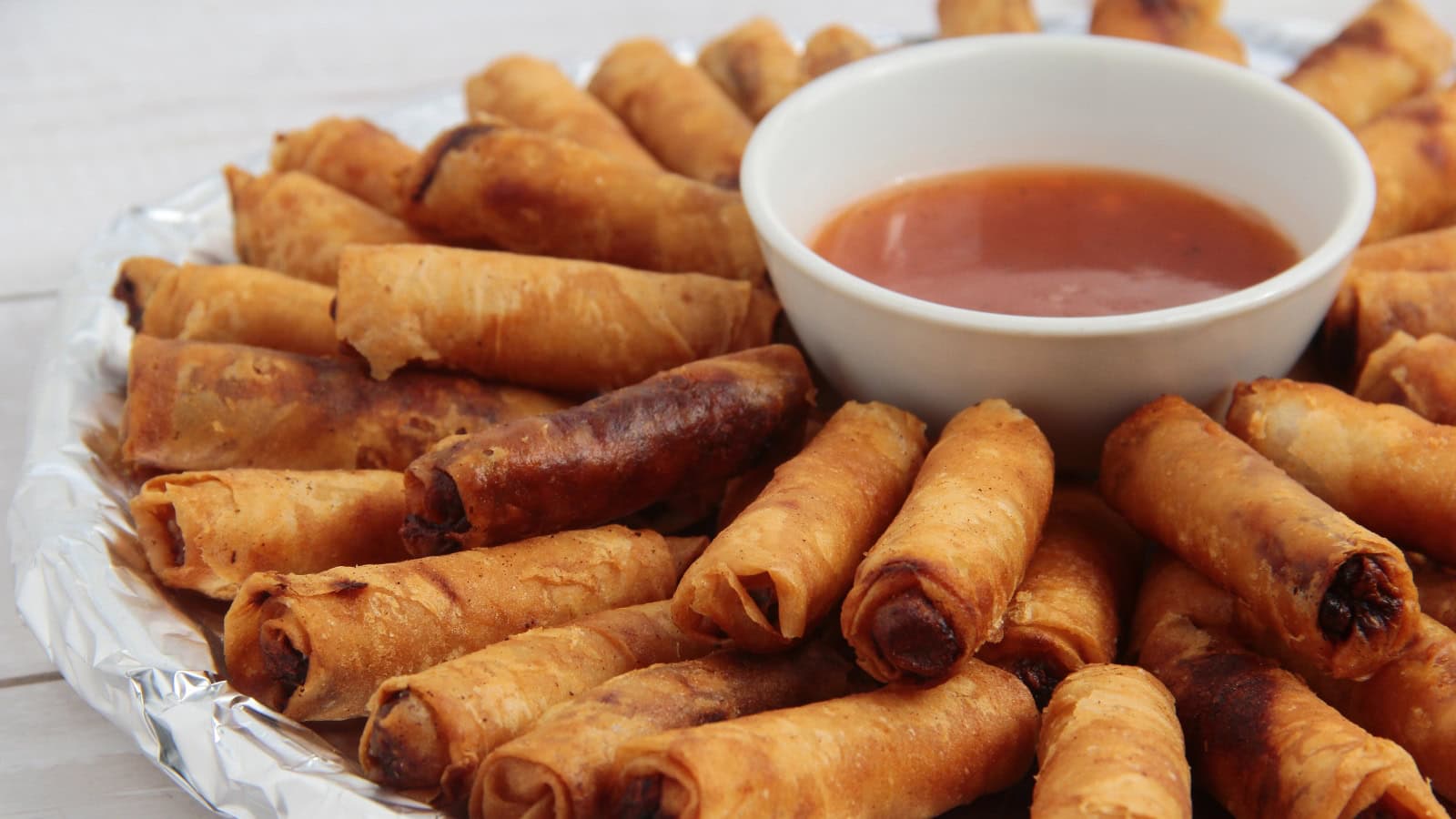
One of the best-known versions is Lumpiang Shanghai, a small fried lumpia usually filled with seasoned ground pork and vegetables. Garlic, onion, carrots, and seasonings such as soy sauce are common additions, although family recipes vary considerably. The rolls are tightly wrapped, fried until crisp, and often served at celebrations, parties, and family gatherings.
You may occasionally hear lumpia casually called lumpia or described as a Filipino egg roll, especially when someone is explaining the dish to people unfamiliar with Filipino cuisine. That description gives you a general idea of the food, but lumpia has its own identity and traditions.
And lumpia isn’t always savory. Turon, for example, is a popular Filipino sweet roll made with banana, often with jackfruit, wrapped in a thin layer of dough and fried in caramelized sugar. That alone shows how broad the lumpia family can be.
What Is an Egg Roll?
An egg roll is strongly associated with Chinese American cuisine. It is usually made with a thicker wheat-based wrapper and a substantial savory filling. Cabbage, carrots, ground pork, or other meats are common, though recipes vary from restaurant to restaurant.
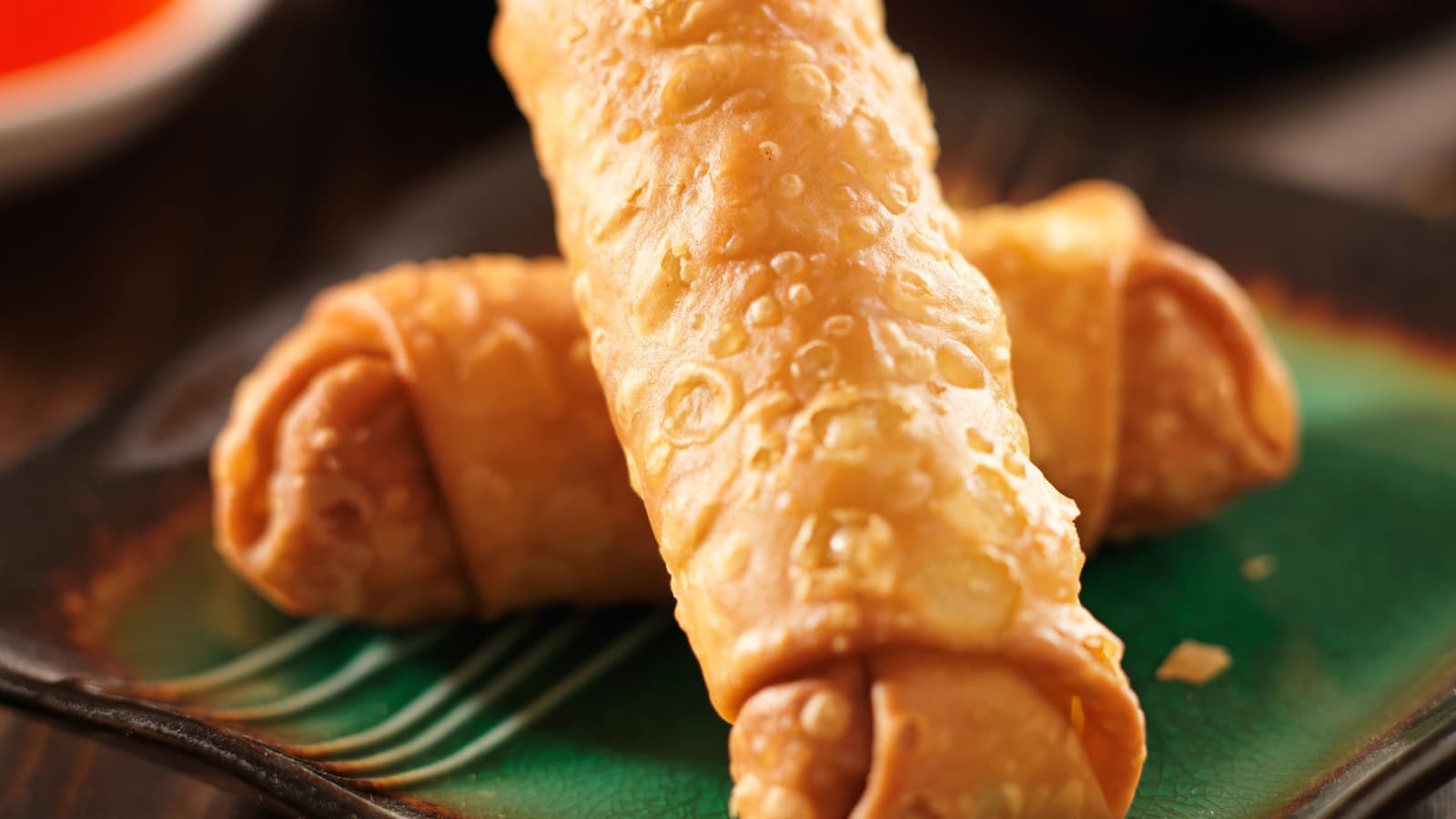
When fried, egg roll wrappers develop the characteristic blistered, bubbly exterior many people recognize from Chinese American takeout. That thick shell creates a noticeably different texture from the thinner wrappers commonly used for Filipino lumpia.
Egg rolls are usually served hot alongside a dipping sauce such as duck sauce, hot mustard, or sweet-and-sour sauce. They tend to be larger than Lumpiang Shanghai and often contain more vegetables, including cabbage. Some versions may include ingredients such as mushrooms or bamboo shoots.
Lumpia vs Egg Roll: What Is the Difference?
When comparing lumpia vs egg rolls, the easiest place to start is the wrapper. Lumpia wrappers are typically thin and delicate, producing a light, crisp shell when fried. Egg roll wrappers are noticeably thicker and often become chewy-crisp and bubbly after frying.
The filling is another distinction. Filipino lumpiang Shanghai often features ground pork mixed with finely chopped vegetables and seasonings. An egg roll usually has a loose, more vegetable-forward filling with cabbage as a prominent ingredient, though pork is also common.
Size is another clue. Lumpiang Shanghai is usually long and narrow, while an American-style egg roll tends to be shorter, wider, and heavier.
Then there’s the lumpia vs egg roll taste. Lumpia tends to have a delicate crunch with a savory, concentrated filling, whereas egg rolls offer a thicker crunch and heartier bite. Neither is inherently better; they’re simply different dishes shaped by different culinary traditions.
Lumpia vs Spring Roll: Are They the Same?
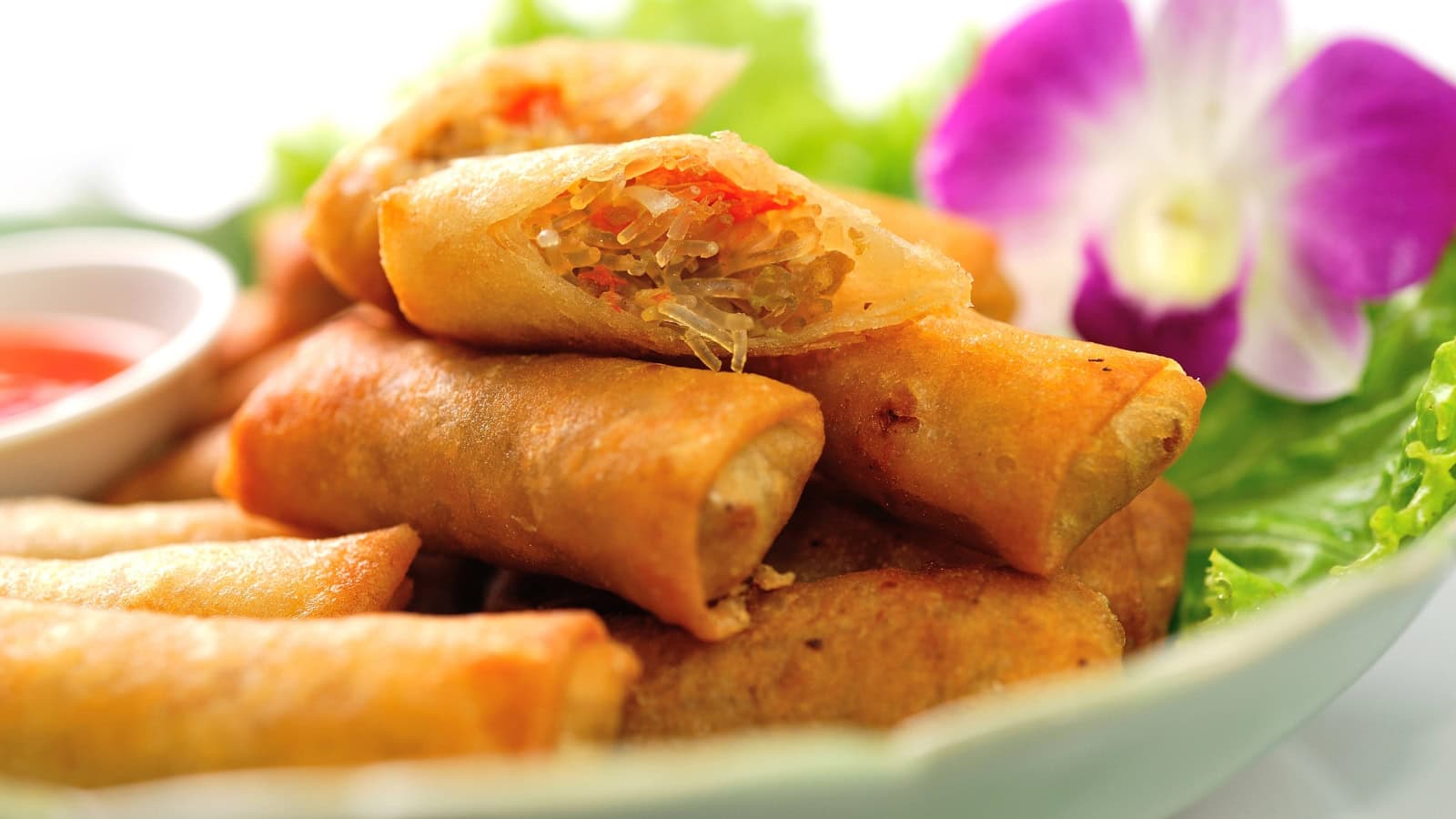
The lumpia vs spring roll comparison gets slightly more complicated because “spring roll” refers to a broad family of foods rather than one universal recipe. Various types of spring rolls appear across Asian cuisines, with wrappers and fillings differing by region.
So, is lumpia a spring roll? Lumpia is generally considered part of the broader spring roll tradition, but calling every lumpia simply a spring roll misses some of the Filipino dish’s cultural and culinary identity.
When comparing spring roll vs lumpia, you may find both fresh and fried versions. Filipino lumpia comes in wide varieties, from fresh lumpiang Sariwa to crispy lumpiang Shanghai.
That is also why asking if lumpia and spring rolls are the same doesn’t have a simple yes-or-no answer. They are related, but the exact ingredients, wrapper, preparation, and traditions depend on which varieties you’re comparing.
Lumpia vs Egg Roll Wrappers
If you want to understand the difference in texture, look closely at the wrappers before frying.
A lumpia wrapper is generally very thin and flexible. Once fried, it becomes crisp, light, and somewhat flaky. It hugs the filling closely, which is one reason a lumpia roll can be so slender.
Egg roll wrappers are thicker. After frying, they become sturdy and bubbly, producing the substantial crunch associated with restaurant-style egg rolls.
This difference matters when making either recipe at home. Swapping wrappers may technically work in some situations, but the finished rolls won’t have quite the same texture. For traditional-style results, choose a wrapper intended for the dish you’re preparing.
Lumpia vs Egg Roll vs Spring Roll
The egg roll vs spring roll vs lumpia question becomes much easier when you think of each dish in context rather than trying to place all crispy rolls into one category.
Lumpia refers to a diverse Filipino family of rolls influenced by Chinese spring roll traditions. Egg rolls are a Chinese American creation typically recognized by their thick, bubbly fried wrappers. Spring roll is a broader term used for many different Asian rolls, which can be fresh or fried depending on the cuisine and preparation.
Even dishes that look similar aren’t necessarily interchangeable. For example, lumpia vs cha gio compares Filipino lumpia with Vietnamese chả giò, another fried roll with its own wrappers, fillings, seasonings, and cultural traditions.
Food travels, changes, and becomes part of new communities. That’s one of the things I love most about exploring dishes like these: similarities can tell us something about shared culinary influences, while the differences reveal how each culture made the food its own.
What Dipping Sauce Goes With Lumpia?
A good sauce makes an already crispy lumpia even harder to resist. Sweet chili sauce is an easy favorite because its sweet, tangy, mildly spicy flavor works beautifully with a savory pork filling. If you like more heat, add extra chili sauce or fresh chili.
Lumpia can also be served with a vinegar-based dipping sauce flavored with garlic and pepper. Other variations combine soy sauce, vinegar, garlic, and seasonings for a salty-tangy contrast to the fried wrapper.
For me, a plate of freshly fried lumpia with a little bowl of sweet chili on the side is one of those combinations that disappears remarkably fast, especially when everyone is standing around the kitchen grabbing rolls while they’re still hot.
Serving Lumpia and Egg Rolls
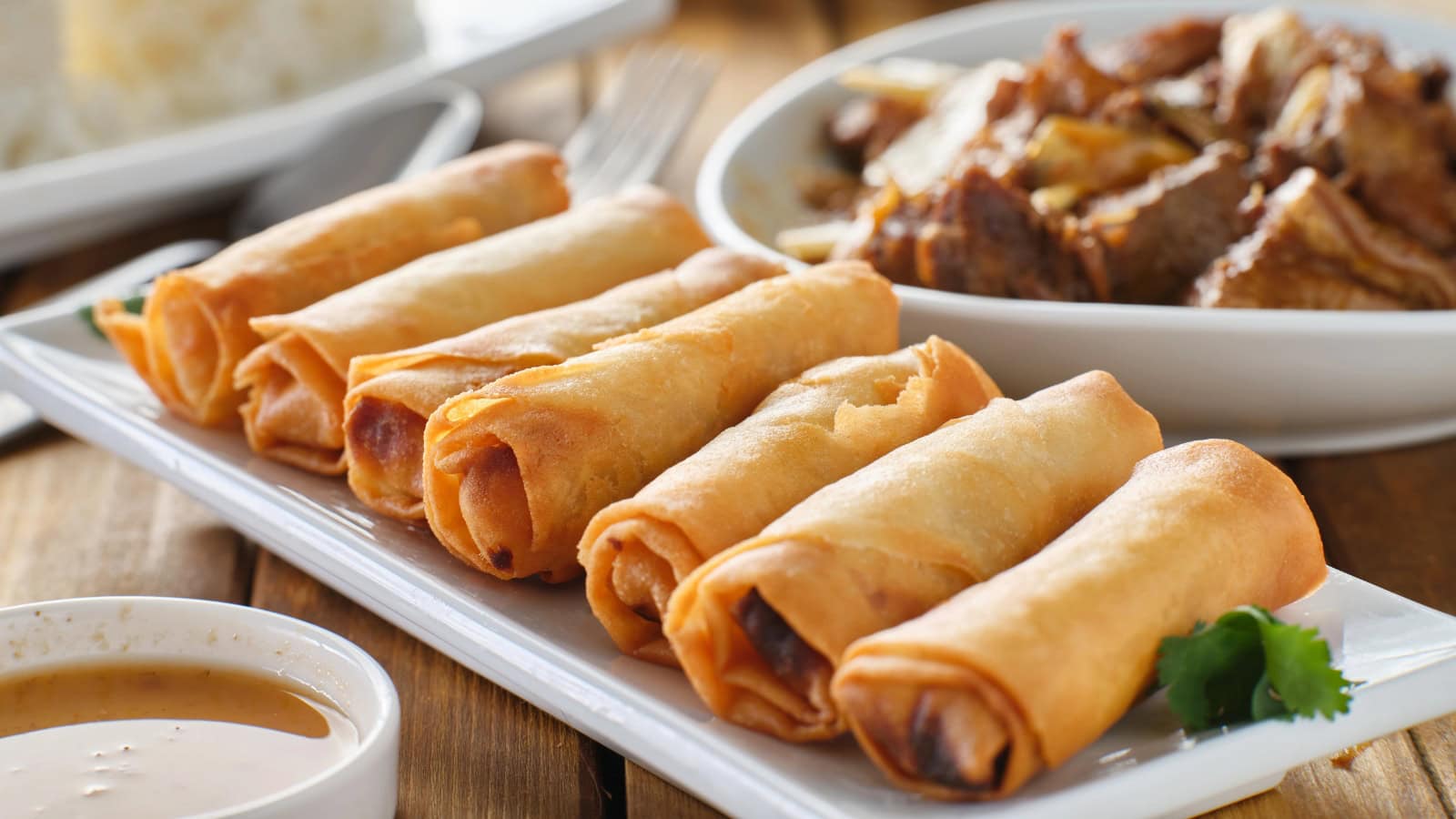
Both lumpia and egg rolls are best served soon after frying, when their wrappers are at their crispiest. Arrange them on a platter with your favorite sauce and serve them as an appetizer, snack, or part of a larger meal.
Lumpia pairs naturally with Filipino favorites such as pancit, garlic fried rice, adobo, or other grilled and braised dishes. Egg rolls pair beautifully with Chinese American dishes such as fried rice, chow mein, stir-fried vegetables, and sweet and sour dishes.
If you’re serving either for a party, keep batches warm in a low oven on a wire rack rather than covering them tightly. Trapped steam is the enemy of that beautiful crispy exterior.
Final Thoughts
The main takeaway from the lumpia vs egg roll comparison is that these foods may look related, but they aren’t simply different names for the same thing. Lumpia is an important part of Filipino cuisine, while the familiar egg roll developed within Chinese American food culture.
Their wrappers provide the most obvious difference: lumpia is generally thinner and more delicate, while egg rolls have thicker, bubbly shells. Fillings, sizes, sauces, and serving traditions also differ.
Whichever one you choose, there is something undeniably satisfying about biting through a hot, crisp wrapper into a savory filling. And if both appear on the table, I see no reason to choose just one.
FAQs
The primary differences are the wrapper, filling, size, texture, and culinary tradition. Filipino lumpia, particularly lumpiang Shanghai, typically uses a thin wrapper and is smaller and more delicate. Chinese American egg rolls generally have thicker, bubbly wrappers and larger vegetable-heavy fillings.
Lumpia is more closely related to the spring roll family, reflecting historical Chinese culinary influence in the Philippines. Calling it a Filipino egg roll can be a convenient description for someone unfamiliar with lumpia, but it isn’t technically the same dish as a Chinese American egg roll.
Lumpiang Shanghai is a popular Filipino fried lumpia commonly made with ground pork, finely chopped vegetables, and seasonings. The filling is rolled tightly in thin wrappers and fried until golden and exceptionally crisp.
You can use them in a pinch, but the texture will be different. Egg roll wrappers are thicker than traditional lumpia wrappers, so your finished lumpia will have a heavier, chewier shell rather than the signature thin, delicate crunch.
No. Although crispy fried lumpia is particularly well known, Filipino cuisine also includes fresh varieties. Lumpiang Sariwa, for example, is served with a soft wrapper rather than being deep-fried.
It can be either. Widely popular varieties, including lumpiang Shanghai, are savory and filled with meat and vegetables. Sweet versions also exist, most notably turon, which is commonly filled with banana and sometimes jackfruit before being fried with caramelized sugar.