If you have ever stood in front of a Chinese takeout menu wondering about chow mein vs lo mein, you are definitely not alone. These two classic Chinese noodle dishes look somewhat similar at first glance, but they are actually quite different in texture, cooking methods, flavors, and even the types of noodles used. The confusion is understandable because both dishes often include vegetables, protein, savory sauces, and delicious egg noodles.
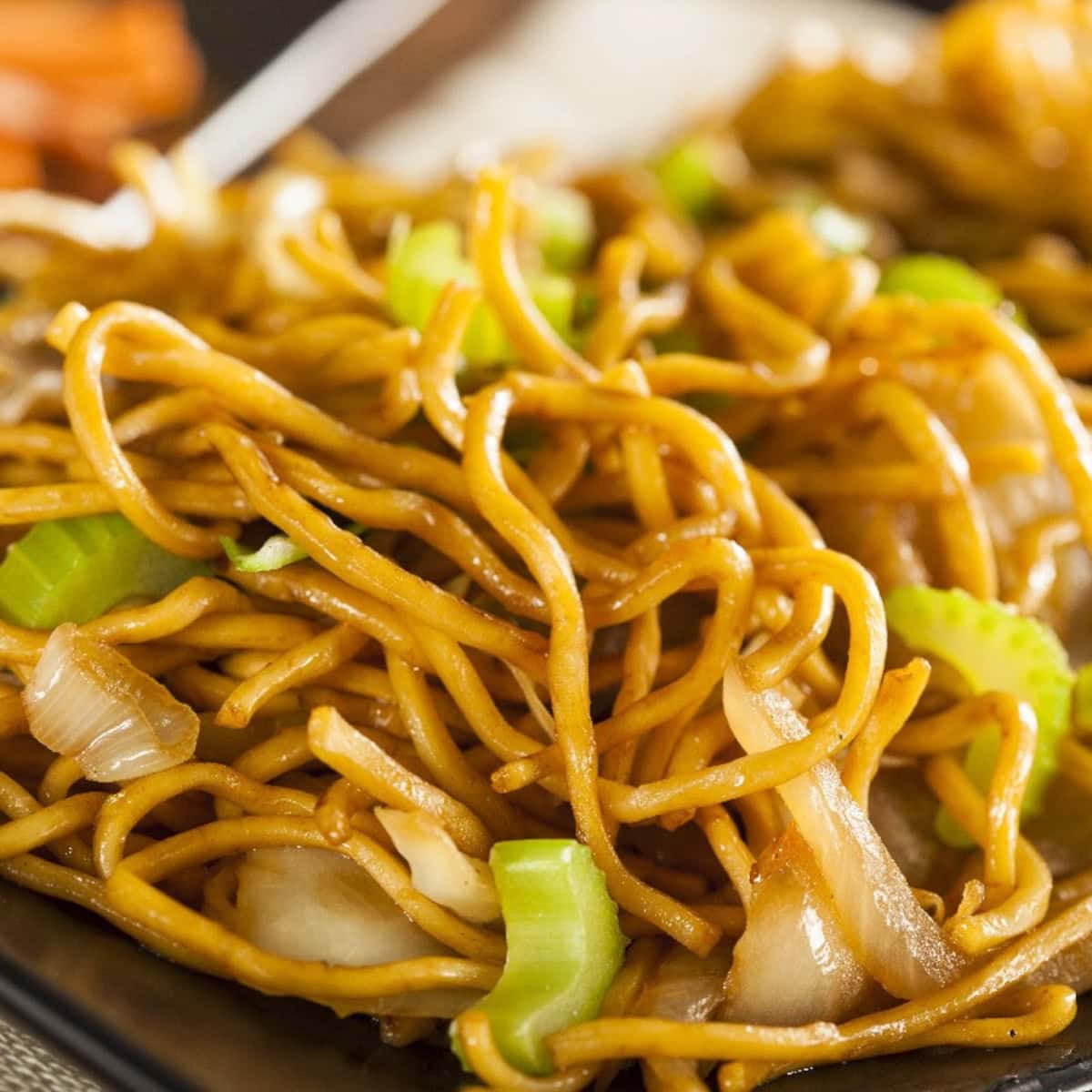
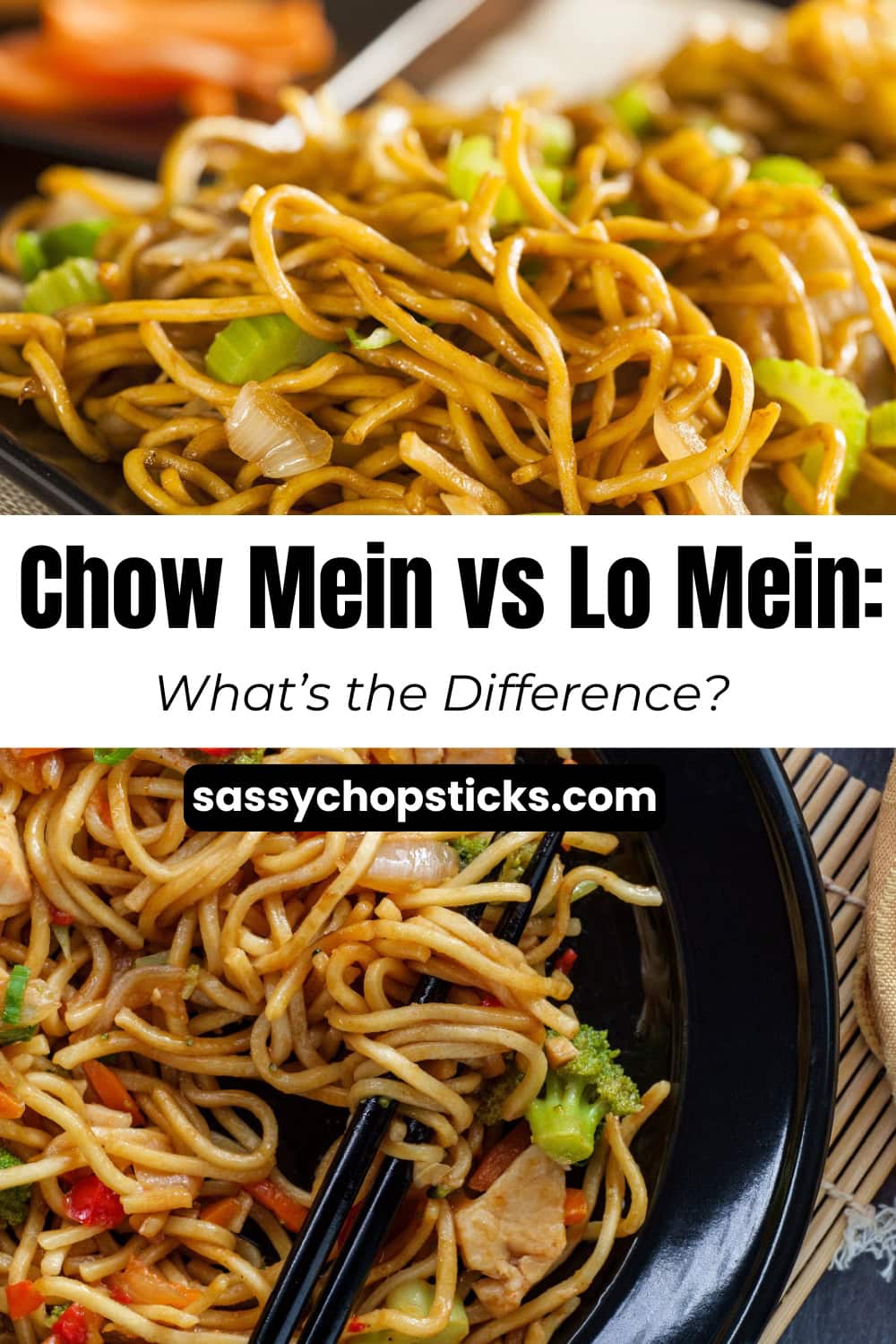
The difference between chow mein and lo mein mostly comes down to how the noodles are cooked and finished. One dish focuses on crispy stir-fried noodles with a firmer bite, while the other highlights soft, chewy noodles tossed in sauce. Once you understand the basics, choosing between chow mein and lo mein becomes much easier.
In this guide, we will break down everything you need to know about chow mein vs lo mein, including the noodles, cooking techniques, textures, flavors, and common variations you might see in Chinese restaurants or homemade cooking.
Chow Mein vs Lo Mein: Understanding the Main Difference
The biggest difference between chow mein and lo mein is the cooking method. Although both dishes typically use egg noodles, they are treated very differently during cooking.
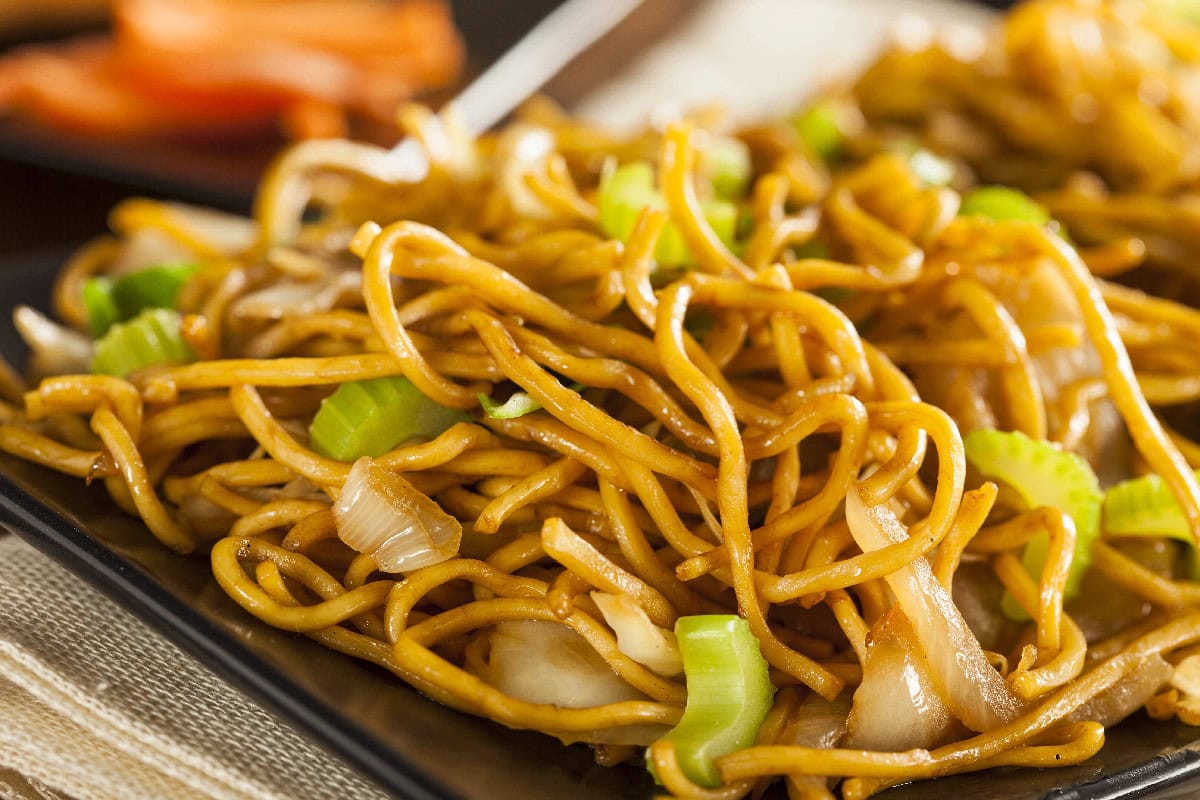
In Chinese, “chow mein” roughly translates to “fried noodles.” The noodles are usually parboiled first, then stir-fried over high heat until slightly crispy or browned at the edges. This creates the signature texture that many people love in chow mein noodles. Depending on the restaurant or region, chow mein can range from lightly crisp to deeply crunchy.
Lo mein, on the other hand, translates more closely to “tossed noodles.” Instead of frying the noodles until crisp, the cooked noodles are gently tossed with sauce, vegetables, and protein. The result is a softer, smoother noodle dish with a silky texture and more sauce coating every bite.
So, when comparing chow mein vs. lo mein, the main difference is really the texture. Chow mein is firmer and often crispy, while lo mein noodles are soft, tender, and chewy.
What Are Chow Mein Noodles?
One of the most common questions people ask is, “What are chow mein noodles?” The answer depends slightly on the style of cooking, but most chow mein noodles are wheat-based egg noodles.
These noodles are usually thin and have a springy texture that holds up well to stir-frying. After being partially cooked, the noodles are added to a hot wok and fried with oil, vegetables, sauce, and protein. This high-heat cooking process helps create the slightly crispy texture associated with classic chow mein.
Some restaurants use fresh chow mein noodles, while others use dried noodles softened before cooking. Cantonese-style chow mein often features extra crispy fried noodles, while softer versions are more common in American Chinese cooking.
Because chow mein relies heavily on stir-frying, the noodles need to maintain their structure during cooking. That is why egg noodles are such a popular choice for this dish.
What Are Lo Mein Noodles?
Lo mein noodles are also commonly made from wheat flour and eggs, making them very similar to chow mein noodles at their core. However, the final cooking process creates an entirely different eating experience.
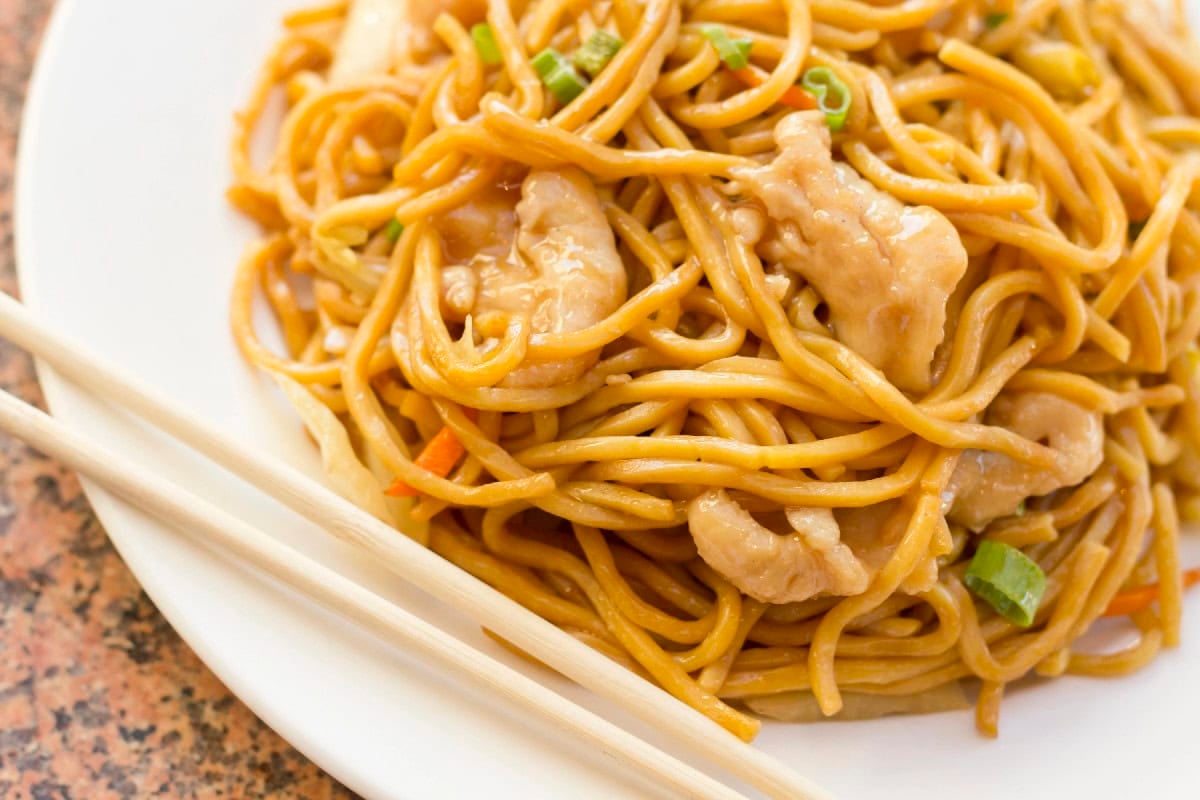
Instead of being heavily fried, lo mein noodles are boiled until cooked, then tossed with sauce and toppings. The noodles stay soft and absorb flavor beautifully, giving the dish a comforting, saucy texture.
Many people are surprised to learn that chow mein and lo mein can start with nearly identical noodles. The biggest difference between lo mein and chow mein is not necessarily the noodle itself but how it is cooked afterward.
Lo mein is especially popular for people who enjoy saucier noodle dishes with a softer bite. The noodles tend to stay moist and glossy because they are not fried to crispness.
Chow Mein vs. Lo Mein: Texture and Flavor Comparison
When discussing chow mein vs. lo mein, texture is the easiest way to tell them apart.
Chow mein has a firmer texture because the noodles are stir-fried in hot oil. Some sections may become crispy, golden, or lightly crunchy. The flavors are often smoky and savory due to the high-heat wok cooking process. Vegetables usually retain a bit of crunch as well, which adds even more texture to the dish.
Lo mein feels softer, richer, and smoother. Since the noodles are tossed in sauce rather than fried, every strand is coated in flavor. The dish is generally more saucy and less crispy than chow mein.
If you prefer crispy noodle dishes with a bit of crunch, chow mein may be your favorite. If you love tender noodles with lots of savory sauce, lo mein is probably the better choice.
Difference Between Chow Mein and Lo Mein in Cooking Method
The cooking method is what truly separates these two Chinese noodle dishes.
For chow mein, the noodles are usually boiled briefly and then stir-fried over high heat. The frying process caramelizes parts of the noodle, giving it a drier texture. This method works especially well in a wok because the intense heat develops deeper flavor.
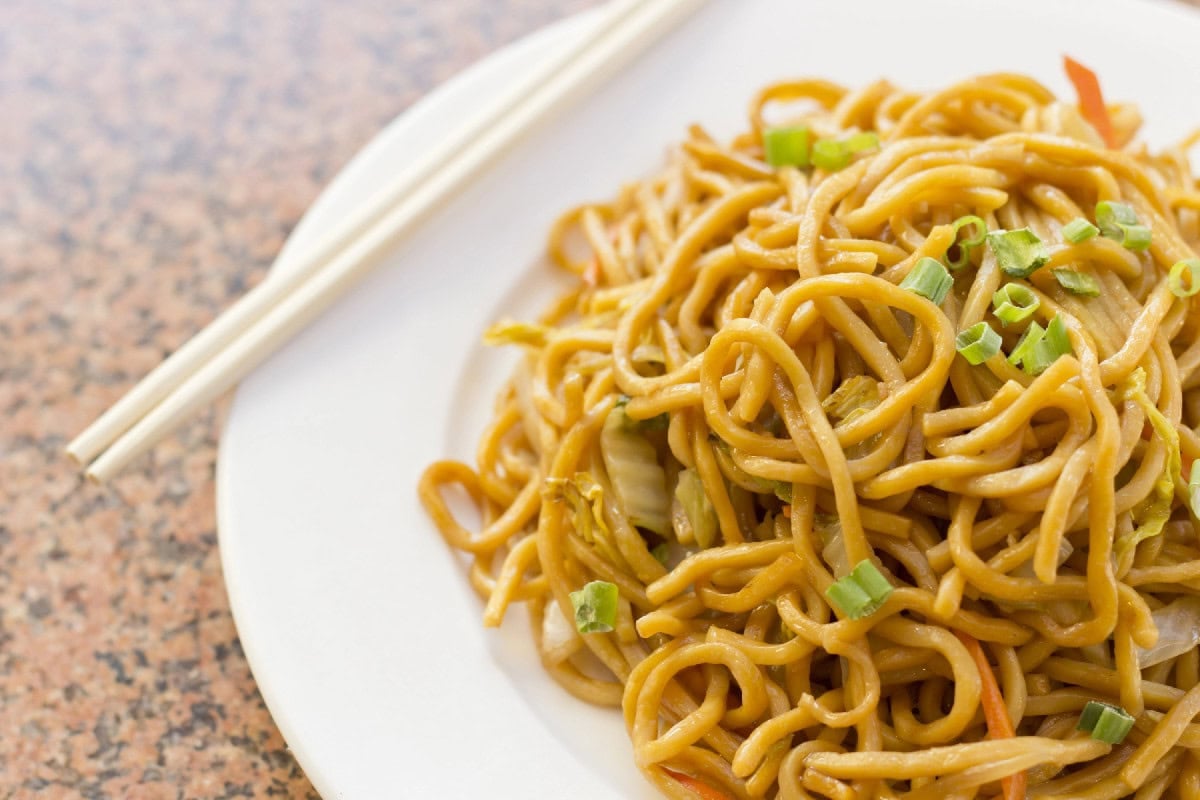
Lo mein skips the crisping step. After the noodles are cooked, they are tossed with sauce and other ingredients toward the end of cooking. Instead of becoming crispy, the noodles stay soft and absorb the savory flavors.
This difference in cooking also changes how the sauces behave. Chow mein often has lighter sauce coverage because the noodles are fried, while lo mein usually contains more sauce evenly distributed throughout the dish.
Chow Mein or Lo Mein: Which Is More Authentic?
Both dishes are authentic Chinese, but the versions served in American Chinese restaurants can differ from traditional regional recipes in China.
Chow mein has roots in Cantonese cuisine and is known for its fried noodle preparation. In some parts of China, chow mein noodles are very crispy and served almost like a noodle pancake.
Lo mein is also commonly eaten in Chinese cooking, especially as a comforting noodle dish with vegetables and protein mixed throughout. Traditional lo mein may use lighter seasoning compared to heavily sauced American takeout versions.
The Americanized forms of chow mein and lo mein have evolved over time, so what you order in the United States may differ from the dishes served in China.
Chicken Chow Mein vs Lo Mein
Chicken chow mein vs lo mein is another common comparison on takeout menus. The ingredients are often very similar. Both dishes may include chicken, cabbage, carrots, onions, bean sprouts, and savory sauces.
The main difference still comes down to the noodles and the cooking process. Chicken chow mein typically has stir-fried noodles with more texture and crispness. Chicken lo mein uses softer noodles coated in sauce.
Flavor-wise, chow mein often tastes slightly smokier because of the frying process, while lo mein feels richer and saucier.
Which Feels Heavier: Chow Mein or Lo Mein?
When comparing chow mein vs lo mein, the texture and cooking method can make the dishes feel different in richness. Since chow mein noodles are stir-fried, they can sometimes taste slightly oilier and crispier. Lo mein noodles are usually softer and tossed with sauce, giving the dish a smoother and more comforting texture.
Overall richness can vary depending on the restaurant, sauce, and cooking style, but the biggest difference is usually in texture rather than nutrition.
Chow Mein vs Lo Mein vs Chop Suey and Other Noodle Dishes
People often compare chow mein vs chop suey or chow mein vs lo mein vs chop suey because these dishes appear together on many Chinese restaurant menus.
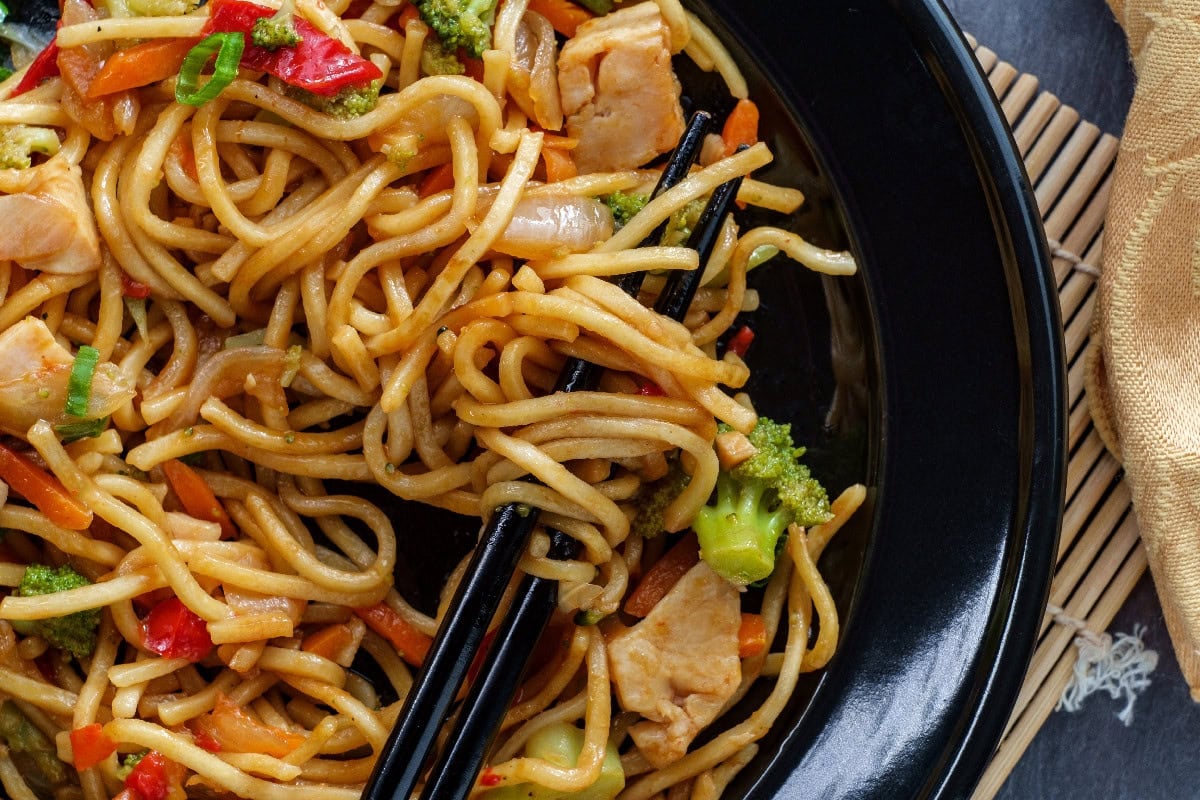
Chop suey differs because it focuses more on the vegetables and sauce than on the noodles themselves. It is usually served over rice or crispy noodles instead of mixing the noodles directly into the dish.
You may also see comparisons like chow mein vs lo mein vs mei fun or chow mein vs lo mein vs chow fun. Mei fun uses very thin rice noodles, while chow fun uses wide rice noodles. Chow mein and lo mein typically use wheat-based egg noodles instead.
These noodle dishes all have unique textures and cooking styles, which makes Chinese cooking incredibly diverse and interesting.
Final Thoughts
Understanding the difference between chow mein and lo mein becomes much simpler once you focus on texture and cooking methods. Chow mein is known for its stir-fried noodles and crisp texture, while lo mein features soft noodles tossed with sauce.
Both dishes are delicious in their own way, and neither is necessarily better than the other. Your choice depends on whether you crave crispy fried noodles or soft, saucy noodles.
The next time you order Chinese takeout or cook homemade noodle dishes, you will know exactly what sets chow mein and lo mein apart.
FAQ
The main difference between chow mein and lo mein is the cooking method. Chow mein noodles are stir-fried until slightly crispy, while lo mein noodles are boiled and tossed with sauce for a softer texture.
They are often very similar because both commonly use egg noodles made from wheat flour. The difference comes from how the noodles are cooked after boiling.
It depends on the ingredients and cooking style. Chow mein may contain more oil because the noodles are fried, while lo mein can contain more sauce and sodium.
Chow mein is a noodle-focused dish with stir-fried noodles, while chop suey is more of a vegetable-and-sauce dish, usually served with rice or crispy noodles.
Yes, chow mein is often partially crispy because the noodles are stir-fried at high heat. Some versions are lightly crisp, while others are deeply crunchy.
That depends entirely on personal preference. If you enjoy crispy noodle dishes, chow mein may be your favorite. If you prefer soft, saucy noodles, lo mein is usually the better choice.