If you’ve ever wondered what the best oil for stir fry is, you’re definitely not alone. It may seem like a small detail, but the oil you use can have a big impact on how your stir fry turns out. The right cooking oil helps vegetables stay crisp, gives meat a beautiful sear, and allows garlic, ginger, and your favorite sauces to shine without burning.
Growing up, stir fry was one of those meals that appeared on our dinner table almost every week. My mom never measured the oil or talked about smoke points. She simply heated the wok until it was hot, added a splash of oil, and dinner came together in minutes. I never thought much about the bottle sitting beside the stove because it was just another pantry staple.
Years later, after I started recreating those same dishes in my own kitchen, I realized there was a reason her stir fries always turned out so well. The first few times I cooked on my own, my vegetables became soft before they browned, and sometimes the kitchen filled with smoke before dinner was even ready. After experimenting with different cooking oils, I learned that choosing the right one makes homemade stir fry much easier and much more delicious.
Whether you’re making beef and broccoli, chicken lo mein, vegetable fried rice, or a simple vegetable stir-fry, choosing the best oil for stir-frying is one of the easiest ways to improve your cooking.
Why the Right Oil Matters
One of the reasons I love making stir fry is that it’s perfect for busy weeknights. Once everything is prepped, dinner comes together in just a few minutes. That quick cooking time is exactly what gives stir-fried vegetables their crisp texture while keeping meat juicy and tender.
Because stir frying happens over high heat, not every oil works equally well. Oils with a lower smoke point can break down before your food is fully cooked, creating unnecessary smoke and sometimes leaving a slightly bitter flavor.
I’ve noticed that even when I use the exact same ingredients and sauce, switching to a better oil changes the final dish. The vegetables stay brighter, the meat browns more evenly, and everything tastes a little fresher. Sometimes the smallest ingredient really does make the biggest difference.
What Oil Do Chinese Restaurants Use?
One question I hear quite often is what oil Chinese restaurants use to make their stir fries taste so good.
While every restaurant has its own preferences, many use peanut oil, canola oil, soybean oil, or blended vegetable oil because these oils perform well during high-heat wok cooking. Their neutral flavor allows ingredients like garlic, ginger, scallions, soy sauce, and oyster sauce to take center stage instead of competing with the oil.
Restaurant kitchens also have another advantage: powerful wok burners that create the signature smoky aroma known as wok hei, often called the “breath of the wok.” Most home stoves can’t reach those temperatures, but using the right oil still helps you get much closer to that restaurant-style flavor.
Canola Oil: My Recommendation for Most Home Cooks
If someone asks me which oil to buy for stir fry, canola oil is usually the first one I recommend.
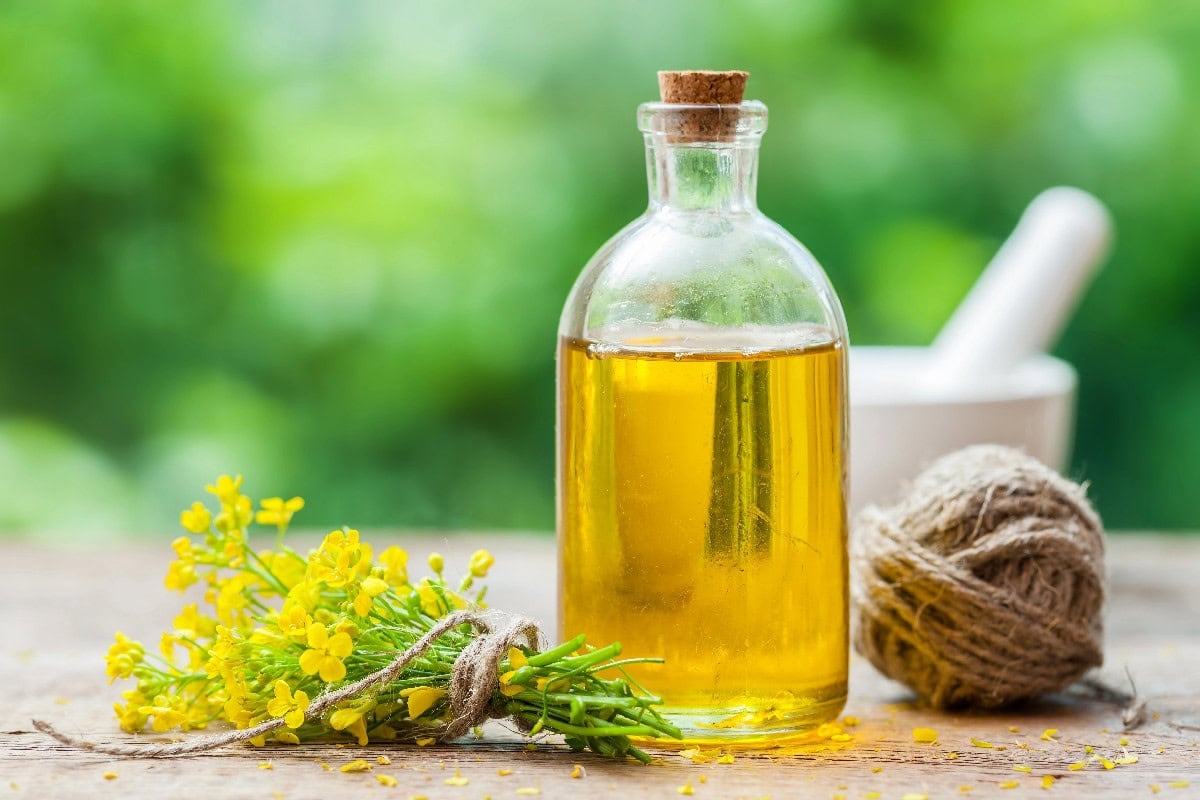
The biggest reason is that it’s affordable, easy to find, and incredibly versatile. It’s also the bottle I reach for most often because there’s almost always one sitting in my pantry. Whether I’m making chicken stir fry, shrimp, tofu, or mixed vegetables, canola oil gives me consistent results every time.
I also like its mild flavor. It quietly does its job while letting garlic, ginger, oyster sauce, hoisin sauce, or chili crisp take the spotlight.
From a nutrition standpoint, canola oil is relatively low in saturated fat and contains heart-friendly unsaturated fats, including polyunsaturated fats. Combined with its relatively high smoke point, it’s an excellent everyday healthy oil for stir fry.
If you’re just beginning to cook more Asian recipes at home, this is the one oil I’d suggest buying first.
Peanut Oil: The Best Choice for Traditional Chinese Stir Fry
Whenever I want my homemade stir fry to taste as close as possible to what I remember growing up, I usually reach for peanut oil.
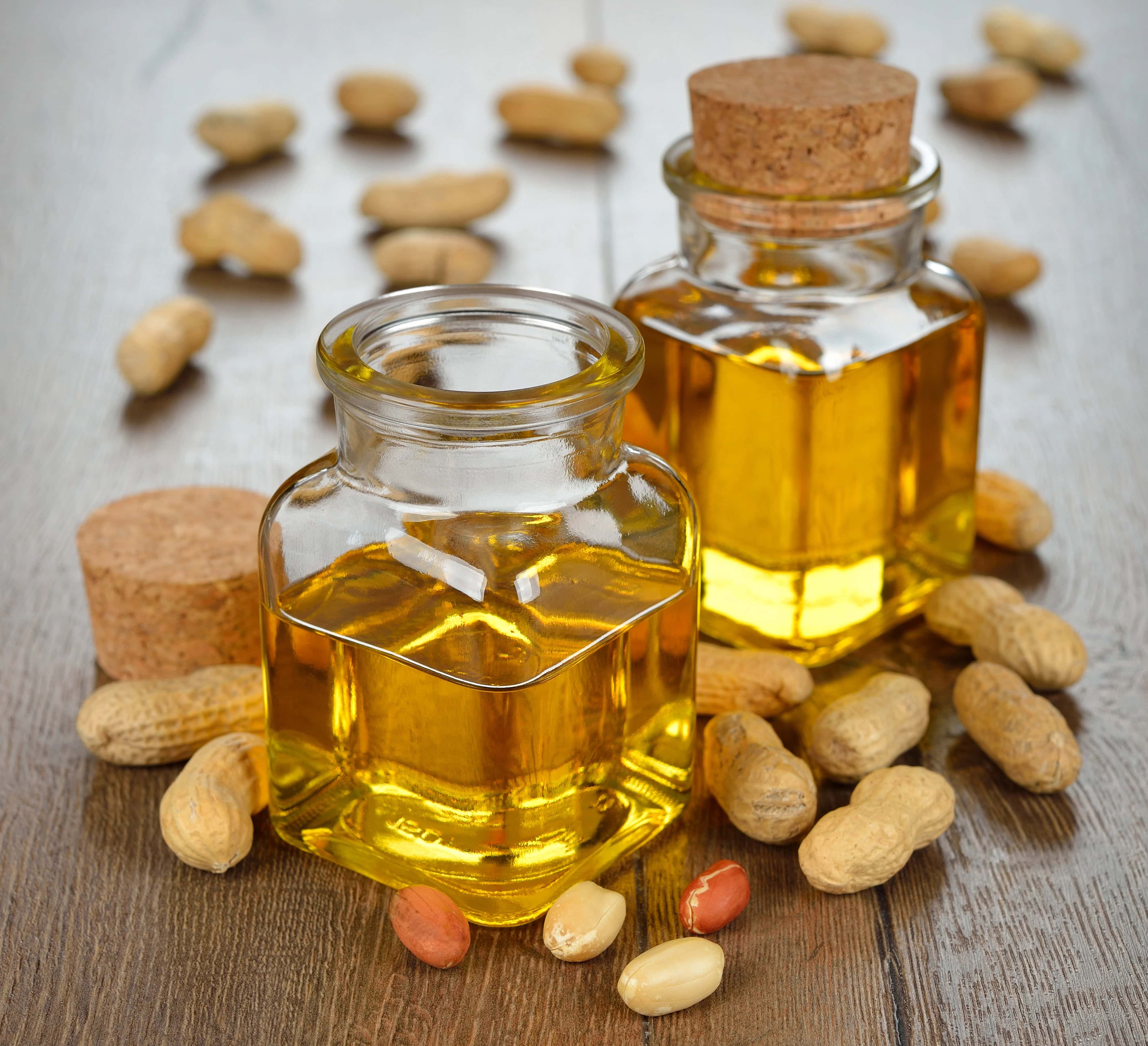
The first time I switched from vegetable oil to peanut oil, I wasn’t expecting much of a difference. But after making beef with broccoli one evening, I immediately noticed how nicely everything browned. The vegetables stayed crisp, the beef developed a better sear, and the finished dish reminded me much more of my favorite Chinese restaurant.
One reason peanut oil works so well is its naturally high smoke point, making it one of the best oils for cooking at high heat. Its subtle nutty flavor adds just enough richness without overpowering the rest of the ingredients.
If you’re looking for the best wok oil or the best oil for Chinese stir-fry, peanut oil is an excellent choice. I especially like using it for beef stir fry, fried rice, and chow mein.
The only downside, of course, is that it isn’t suitable for anyone with a peanut allergy.
Avocado Oil Is a Great Premium Option
Over the last few years, avocado oil has become one of my favorite oils for high-heat cooking.
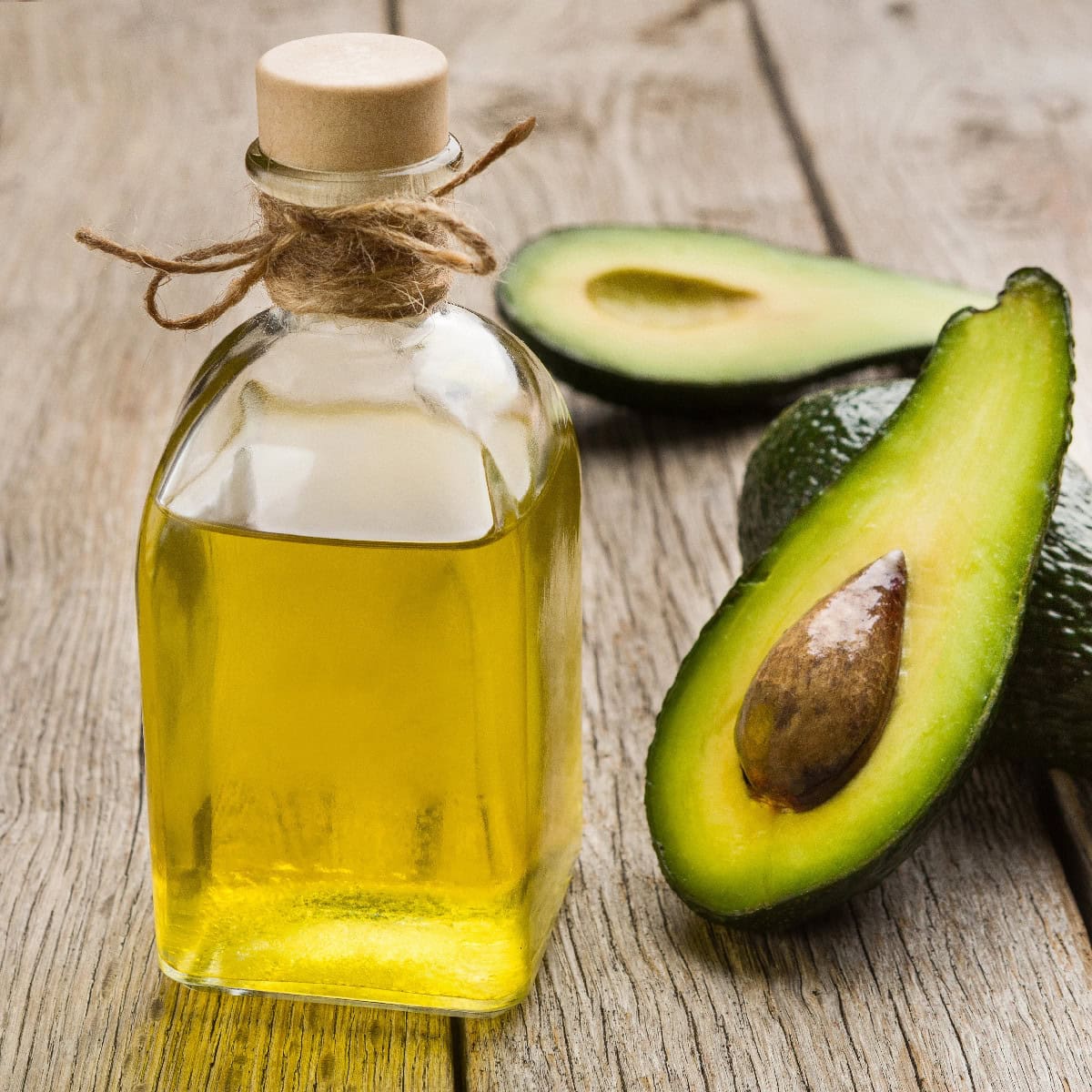
Refined avocado oil has one of the highest smoke points of any commonly available cooking oil, making it ideal for stir frying in a wok or large skillet. Even when the pan gets extremely hot, the oil stays stable and helps everything cook evenly.
It’s also frequently recommended as one of the healthiest oils for stir fry because it’s rich in monounsaturated fatty acids and has a mild flavor that pairs well with vegetables, chicken, seafood, beef, and tofu.
The only drawback is the price. Compared to canola or vegetable oil, avocado oil usually costs a bit more. Still, if stir fry is one of your favorite weeknight meals, it’s a worthwhile addition to your pantry.
Vegetable Oil Is Still a Reliable Choice
Sometimes the simplest ingredients are the ones we use the most.
There are plenty of evenings when I simply grab the bottle of vegetable oil sitting beside the stove. It’s inexpensive, versatile, and works well for almost any stir fry recipe.
Because it has a fairly neutral taste, vegetable oil lets fresh ingredients and homemade sauces take center stage. Whether I’m making a quick vegetable stir fry or cleaning out the refrigerator before grocery shopping, it always gets the job done.
It’s a good reminder that making delicious stir fry doesn’t require expensive specialty ingredients. Often, the pantry staples you’ve been using all along are already the right choice.
Is Coconut Oil Good for Stir Fry?
One question I get asked quite often is, “Is coconut oil good for stir fry?” The answer is yes—it just depends on the type of stir fry you’re making.
I like using coconut oil for dishes with Thai-inspired flavors, especially recipes that include curry paste, coconut milk, or pineapple. The subtle coconut flavor pairs beautifully with those ingredients and adds a little extra richness.
For traditional Chinese stir fry, though, I usually stick with canola or peanut oil. Their neutral flavor lets the garlic, ginger, soy sauce, and oyster sauce shine instead of competing with them.
If you decide to cook with coconut oil, refined coconut oil is usually the better option because it has a higher smoke point and a milder flavor than virgin coconut oil. That’s why many home cooks consider it a good choice for high-temp oil cooking, especially when making Southeast Asian-inspired dishes.
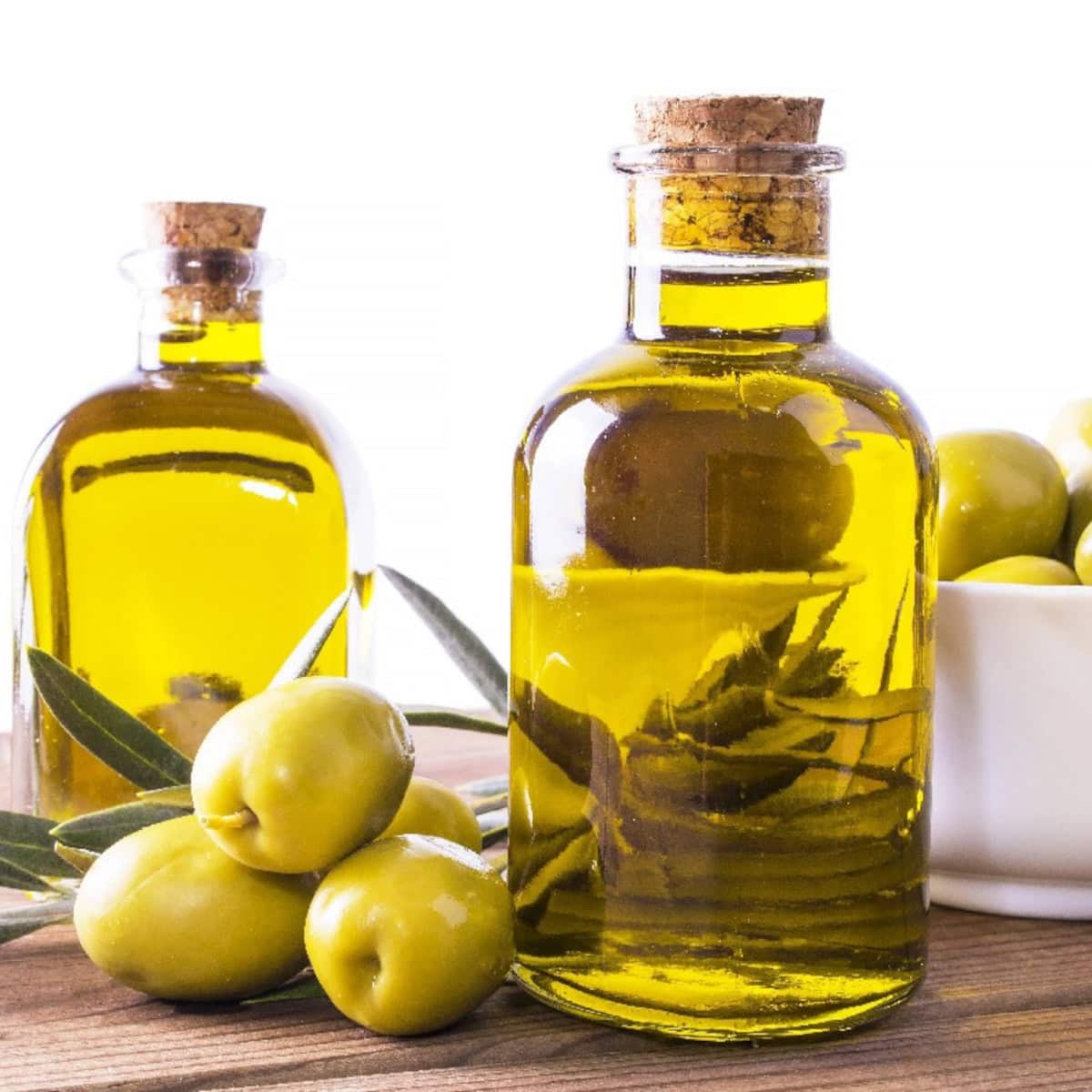
Can You Use Olive Oil for Stir Fry?
Another common question is whether olive oil for stir fry is a good idea.
The short answer is yes. If olive oil is already your go-to cooking oil, there’s no reason you can’t use it for a quick weeknight stir fry. I always believe cooking should be practical, and it’s better to use what you already have than feel like you need to buy another bottle of oil.
That said, extra virgin olive oil has a lower smoke point than canola, peanut, or avocado oil, so it isn’t my first choice for traditional high-heat wok cooking. Refined or light olive oil performs much better because it tolerates higher temperatures and has a milder flavor.
If you’re looking for the closest results to restaurant-style Chinese cooking, I’d still recommend canola or peanut oil. But if olive oil is what you have in your pantry, it will certainly work for many stir fry recipes.
Don’t Forget About Sesame Oil
When I first started cooking Chinese recipes at home, I assumed sesame oil was the oil you cooked with from start to finish.
It turns out that’s one of the biggest misconceptions about Asian cooking.
Toasted sesame oil for stir fry is best used as a finishing oil rather than the primary cooking oil. Its rich, nutty aroma is a signature of many Chinese dishes, but prolonged exposure to high heat can dull that wonderful flavor.
Instead, cook your stir fry with canola oil, peanut oil, or another neutral oil. Once everything is finished, drizzle a small amount of toasted sesame oil over the dish just before serving.
It’s one of those little tricks that instantly makes homemade stir fry smell like your favorite Chinese restaurant.
The Best Oil for Different Stir Fry Recipes
Although most neutral oils work well for stir frying, I do find myself choosing certain oils depending on what I’m making.
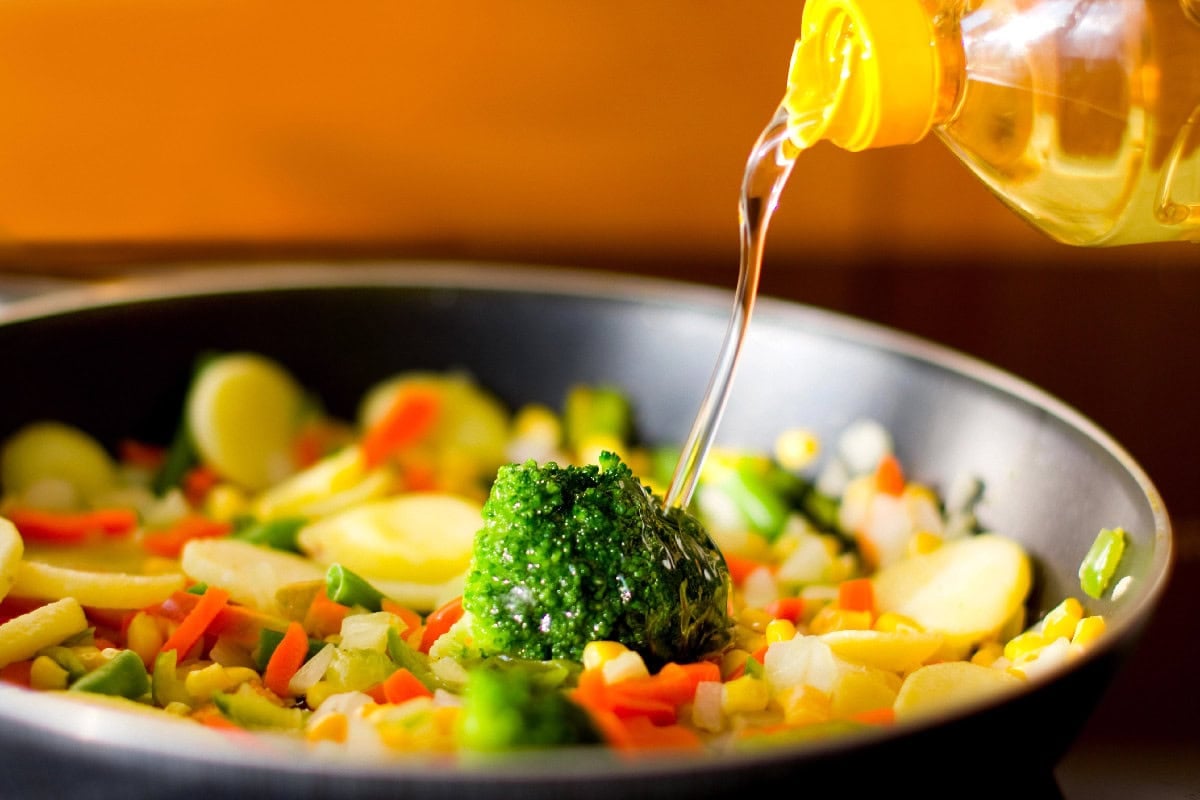
For the best oil for stir-frying vegetables, I usually reach for canola oil, avocado oil, or vegetable oil because they let the vegetables’ natural sweetness stand out.
If I’m making the best oil for stir-fry chicken or the best oil for stir-fry beef, peanut oil is still my favorite because it creates a beautiful sear while standing up to the high temperatures needed for wok cooking.
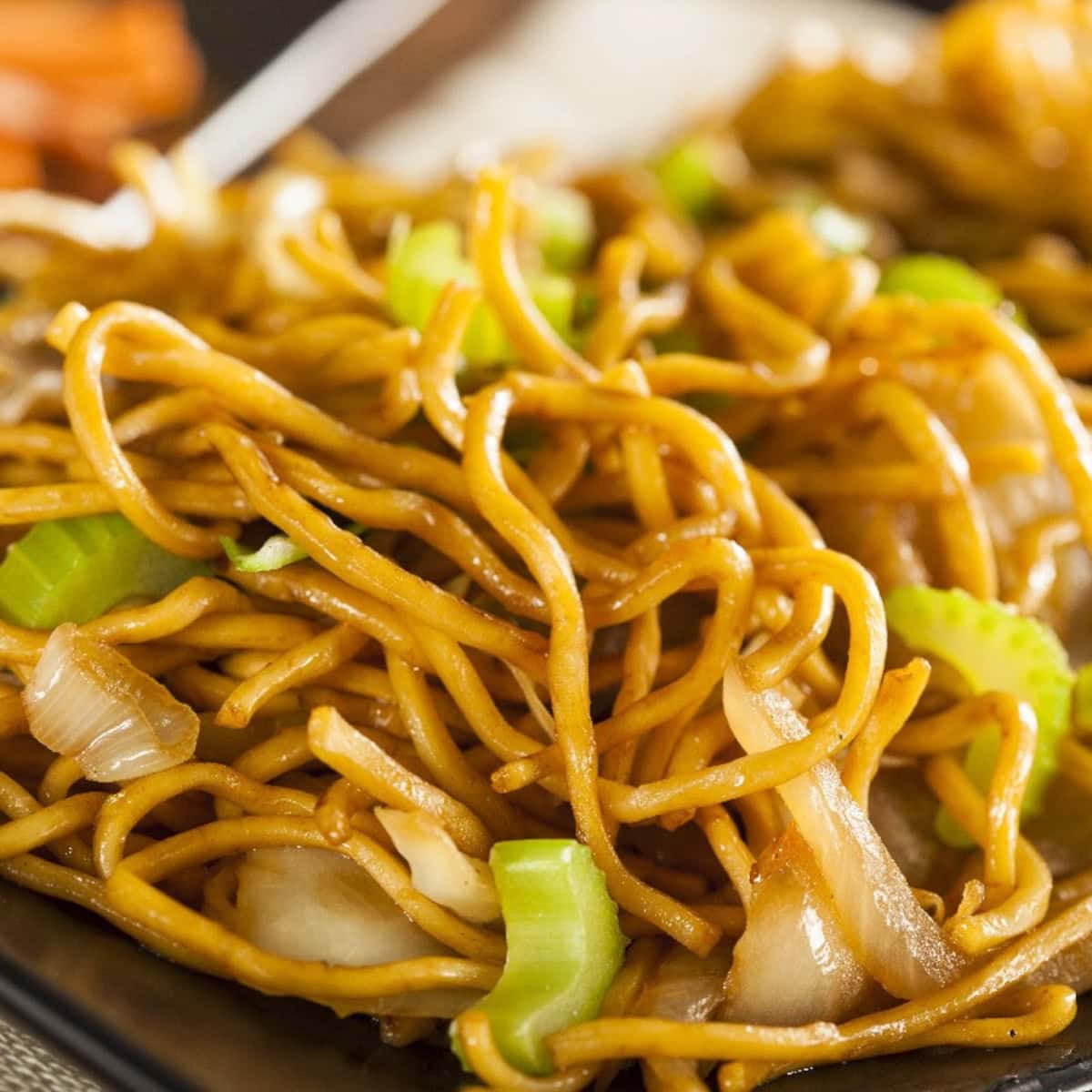
For best oil for stir fry noodles, including lo mein and chow mein, canola oil and peanut oil both coat the noodles evenly without making them greasy.
The nice thing is that you don’t need five different bottles of oil sitting in your pantry. One everyday oil like canola, plus peanut oil if you enjoy traditional Chinese cooking, will cover almost everything you’ll make.
Oils I Usually Avoid
Not every oil is designed for high-temperature cooking.
Flaxseed oil and walnut oil have delicate flavors and relatively low smoke points, making them much better suited for salad dressings than stir frying. Butter by itself also burns quickly over high heat.
Even though I cook with extra virgin olive oil regularly, I usually save it for roasted vegetables, pasta dishes, or homemade vinaigrettes rather than stir fry.
Choosing an oil made for high-heat cooking simply makes cooking easier and yields better results.
My Final Recommendation
If you’re wondering which oil to buy first, my recommendation is simple.
For most home cooks, canola oil is the best all-around choice. It’s affordable, easy to find, neutral in flavor, and versatile enough for almost every stir fry recipe. It’s also the oil I use most often because it’s always in my kitchen.
If you enjoy making traditional Chinese dishes and want a little more authentic flavor, peanut oil is a wonderful upgrade. Its higher smoke point and subtle nutty flavor make it one of the recommended oils for wok cooking.
If you’re looking for a premium option, avocado oil is another excellent choice because it combines a very high smoke point with heart-healthy fats.
Final Thoughts
Choosing the best oil for stir fry doesn’t have to be complicated. Once you understand that stir frying relies on high heat, the decision becomes much easier.
For everyday cooking, I recommend canola oil because it’s dependable, budget-friendly, and works beautifully in almost every recipe. When I’m craving a more traditional Chinese stir fry, I reach for peanut oil, and if I want a healthier premium option, avocado oil is always a great choice.
At the end of the day, great stir fry isn’t just about the oil. Fresh ingredients, a hot wok, and cooking everything quickly are what bring the dish together. Pair those with the right cooking oil, and you’ll be surprised how easy it is to create restaurant-quality stir fry at home.
FAQ
For most home cooks, canola oil is the best all-around choice because it’s affordable, neutral in flavor, and has a relatively high smoke point. Peanut oil is an excellent option if you’re looking for a more traditional Chinese stir fry flavor.
Avocado oil is often considered one of the healthiest choices because it’s rich in monounsaturated fatty acids and has one of the highest smoke points among common cooking oils.
Yes. Refined or light olive oil works better than extra virgin olive oil because it tolerates higher cooking temperatures.
Canola oil, avocado oil, vegetable oil, and peanut oil all work well because they allow the vegetables’ natural flavor to shine while handling high heat.
Yes. If the oil wasn’t overheated and doesn’t contain burned food particles, you can strain it, store it in an airtight container, and reuse it once or twice.