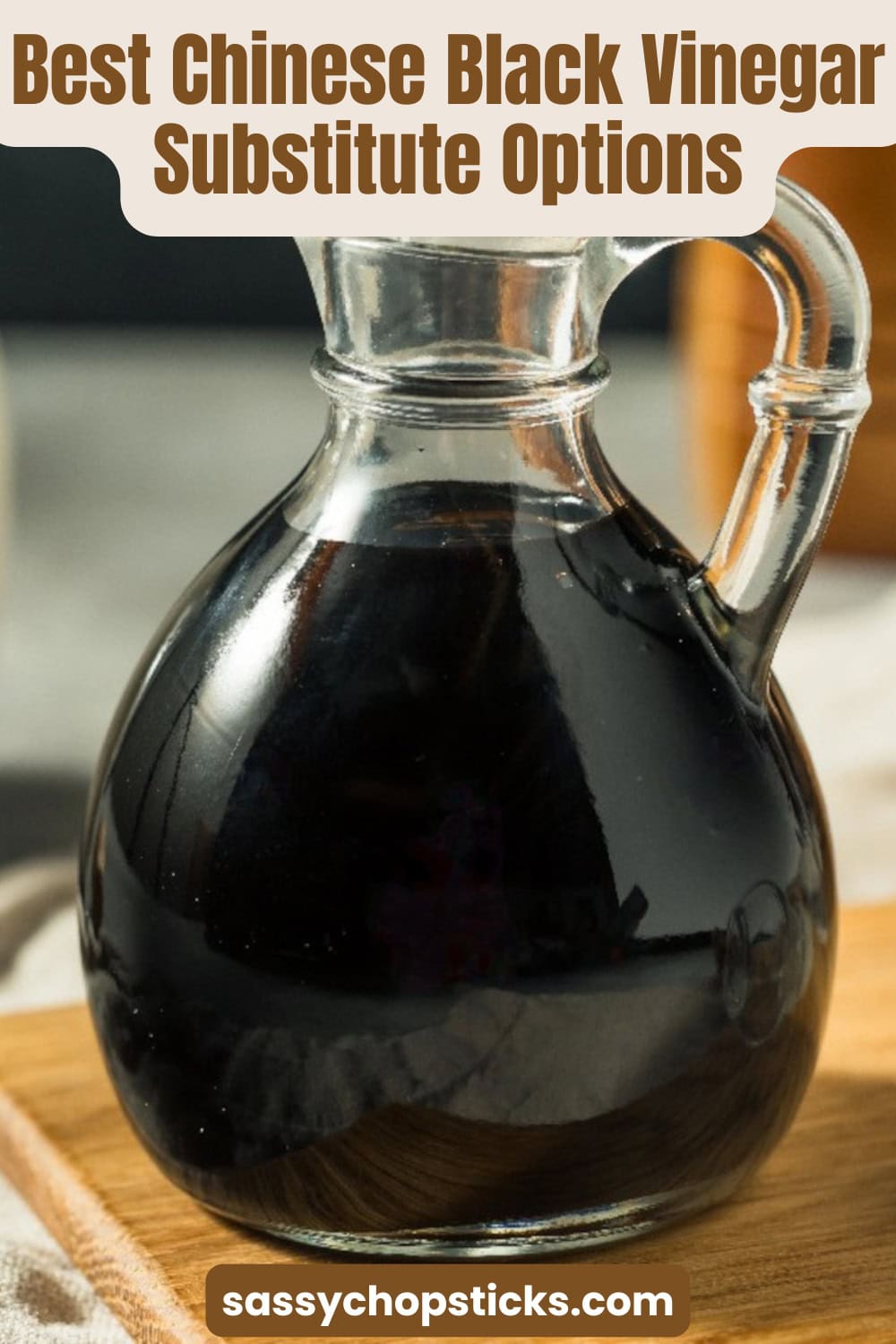
Have you ever been halfway through making dumpling dipping sauce or your favorite braised pork recipe only to discover you’re out of Chinese black vinegar? The good news is that you don’t have to abandon your meal. The best Chinese black vinegar substitute is usually balsamic vinegar because it offers a similar rich color, mild sweetness, and deep flavor.
Depending on the recipe, rice wine vinegar, sherry vinegar, or a combination of rice vinegar and soy sauce can also be excellent alternatives.
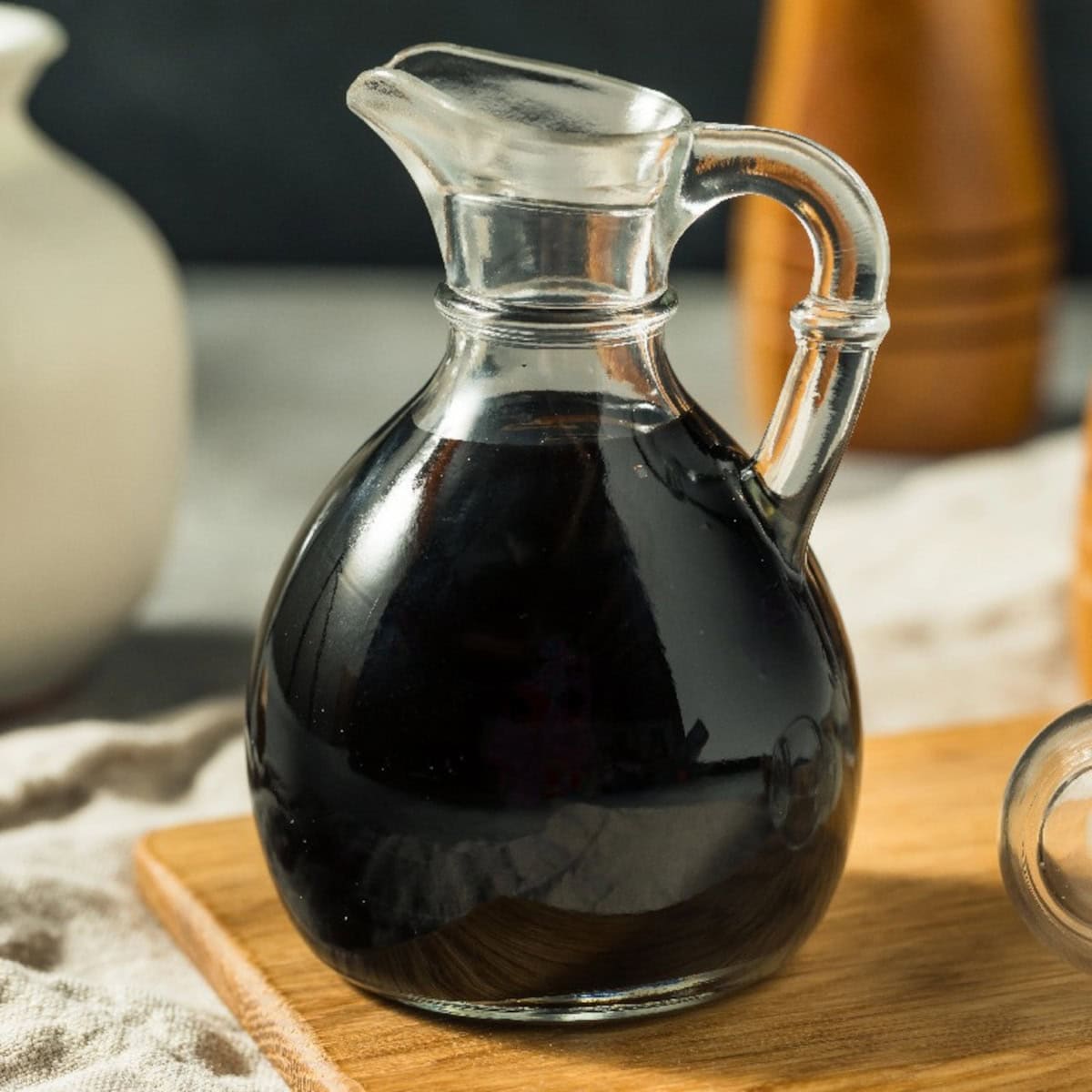
Chinese black vinegar is one of the most recognizable ingredients in Chinese cooking, adding a unique balance of tanginess, subtle sweetness, and rich umami flavor that elevates everything from dumpling dipping sauces to noodle dishes and braised meats. While no substitute is an exact match, understanding what makes this vinegar special will help you choose the best replacement for your recipe.
In this guide, you’ll learn what Chinese black vinegar is, how it’s made, the best black vinegar substitutes, when each substitute works best, where to buy authentic Chinkiang vinegar, and whether you can make your own at home.
What Is Chinese Black Vinegar?
Chinese black vinegar, also known as Chinkiang vinegar, is a traditional aged vinegar used in Chinese kitchens for centuries. Unlike ordinary rice vinegar or white vinegar, Chinese black vinegar has a deep brown or nearly black color and a rich, complex flavor that develops during aging.
Traditional Chinese black vinegar is made from fermented glutinous rice, although wide regional varieties also include ingredients such as wheat bran, barley, millet, or sorghum. You may also see it labeled as Zhenjiang vinegar (镇江香醋), which is the modern name for the famous Chinkiang vinegar produced in Jiangsu Province. As the vinegar ages, it develops a slightly smoky aroma with a pleasant balance of acidity, sweetness, and savory depth.
This distinctive flavor makes it one of the most commonly used vinegars in Chinese cuisine. You’ll find it in countless recipes, including hot-and-sour soup, braised pork, steamed fish, stir-fries, noodle dishes, cold vegetable salads, and the classic dipping sauce served with dumplings.
Because of its unique flavor profile, Chinese black vinegar is difficult to replace perfectly. However, several excellent vinegar substitutes come surprisingly close.
Why Recipes Use Chinese Black Vinegar
Every ingredient in a recipe has a purpose, and Chinese black vinegar is no exception.
Rather than simply adding acidity, it contributes layers of flavor. Its gentle sweetness balances salty ingredients like soy sauce, while its fermented richness enhances meats, vegetables, noodles, and even simple dipping sauces. It also works well in marinades and Asian-inspired salad dressings, where its rich flavor adds depth without overpowering the other ingredients.
The result is a more rounded taste that can’t always be achieved with plain white vinegar or standard wine vinegar.
When searching for a black Chinese vinegar substitute, it’s helpful to consider the role the vinegar plays in your recipe. Is it providing acidity? Sweetness? Color? Or is it adding that signature umami flavor? Once you know the answer, choosing the right substitute becomes much easier.
Why You Might Need a Chinese Black Vinegar Substitute
There are plenty of reasons you might need a substitute for Chinese black vinegar.
Maybe you’ve started cooking and realized the bottle is empty. Perhaps your neighborhood grocery store doesn’t carry authentic Chinese ingredients. Some larger supermarkets stock it in their international aisle, while others don’t.
If you’re wondering about the availability of Chinese black vinegar at Safeway, it really depends on your location. Some Safeway stores carry Chinkiang vinegar, but many home cooks find better selections at Asian grocery stores or online retailers.
Fortunately, several pantry staples make excellent black vinegar alternatives, and many of them are probably already in your kitchen.
The Best Chinese Black Vinegar Substitute Options
Not every substitute works equally well in every recipe. Some are ideal for braised dishes, while others shine in dumpling sauces or salad dressings. Here are the best options.
1. Balsamic Vinegar (Best Overall)
If you can only choose one substitute, Balsamic vinegar is the clear winner.
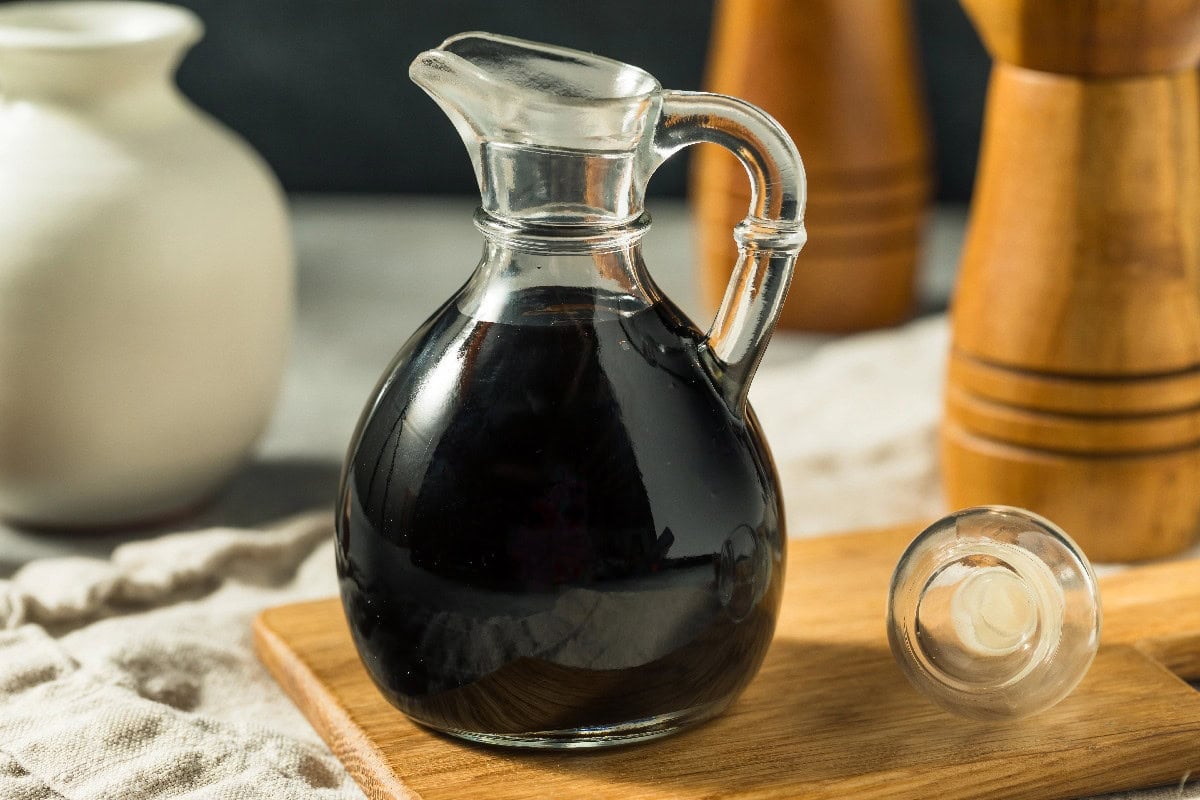
Although balsamic vinegar is made from grapes rather than rice, its dark color and naturally sweet, aged flavor resemble Chinese black vinegar more closely than those of almost any other pantry ingredient.
Its rich flavor works particularly well in recipes where black vinegar contributes body and complexity rather than just acidity.
For most recipes, substitute balsamic vinegar using a 1:1 ratio.
If your balsamic vinegar is especially sweet, add a small splash of soy sauce to create a more balanced flavor that’s closer to authentic Chinkiang vinegar.
Balsamic vinegar works especially well in braised dishes, hearty noodle recipes, and rich marinades because its naturally sweet, aged flavor is the closest to authentic Chinese black vinegar. It’s also a great choice for dumpling dipping sauce when you’re looking for a quick pantry substitute.
It’s easy to see why so many cooks consider balsamic vinegar the best black vinegar substitute.
2. Rice Wine Vinegar and Soy Sauce
Another excellent Chinese black vinegar substitute combines rice wine vinegar with a little soy sauce.
Rice wine vinegar provides the acidity, while soy sauce adds color, saltiness, and a deeper savory flavor. Together, they create a balanced substitute that’s especially useful for lighter dishes.
This combination is especially good for dumpling dipping sauce because the soy sauce adds color and savory depth while the rice wine vinegar provides the bright acidity. It also works well in stir-fries, cold cucumber salad, and other vegetable or noodle dishes where black vinegar isn’t the main flavor.
If you’re making a substitute for black vinegar for dumplings, this is one of the closest matches because the soy sauce helps recreate the rich umami flavor that black vinegar naturally provides.
3. Sherry Vinegar
If you have sherry vinegar in your pantry, you’re in luck.
Like Chinese black vinegar, sherry vinegar is aged before it’s bottled. This aging process creates a slightly nutty, complex flavor that’s less sweet than balsamic vinegar but wonderfully balanced.
Sherry vinegar is particularly good in savory dishes where you don’t want additional sweetness.
It’s an excellent alternative to black rice vinegar for braised recipes, meat marinades, mushroom dishes, and stir-fries.
4. Rice Vinegar with Brown Sugar
Plain rice vinegar is much lighter than Chinese black vinegar, but you can improve it with one simple addition.
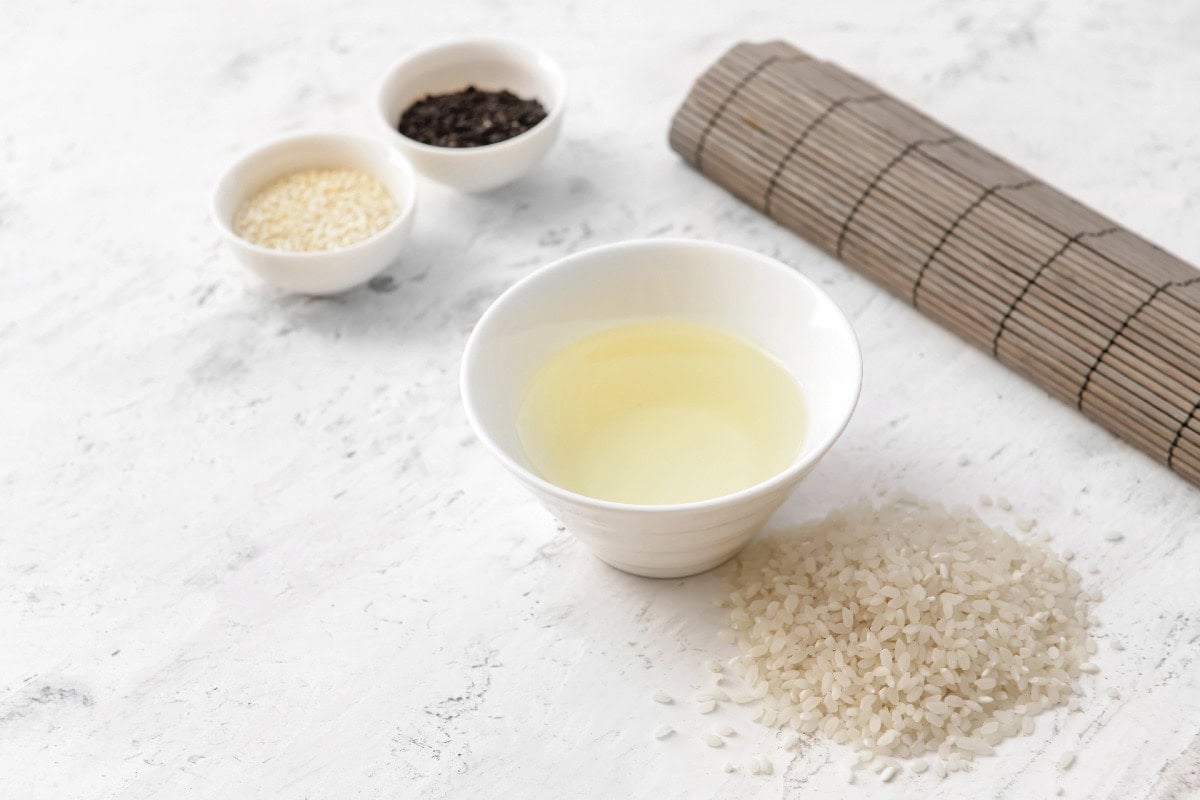
Adding a small amount of brown sugar helps mimic some of the sweetness developed during the aging process.
While this substitute won’t provide the same smoky richness, it’s still a practical solution when you’re in a hurry.
This combination works well in vegetable stir-fries, salad dressings, and lighter sauces.
5. Red Wine Vinegar
Another good substitute is red wine vinegar.
Its acidity is stronger than Chinese black vinegar, but it has enough depth to work well in hearty recipes. To soften its sharpness, mix it with a small amount of brown sugar or honey.
This substitute performs best in marinades and braised dishes where other ingredients help round out the flavor.
6. Worcestershire Sauce with Rice Vinegar
This may sound unusual, but Worcestershire sauce contains fermented ingredients that provide a savory richness similar to that of aged vinegars.
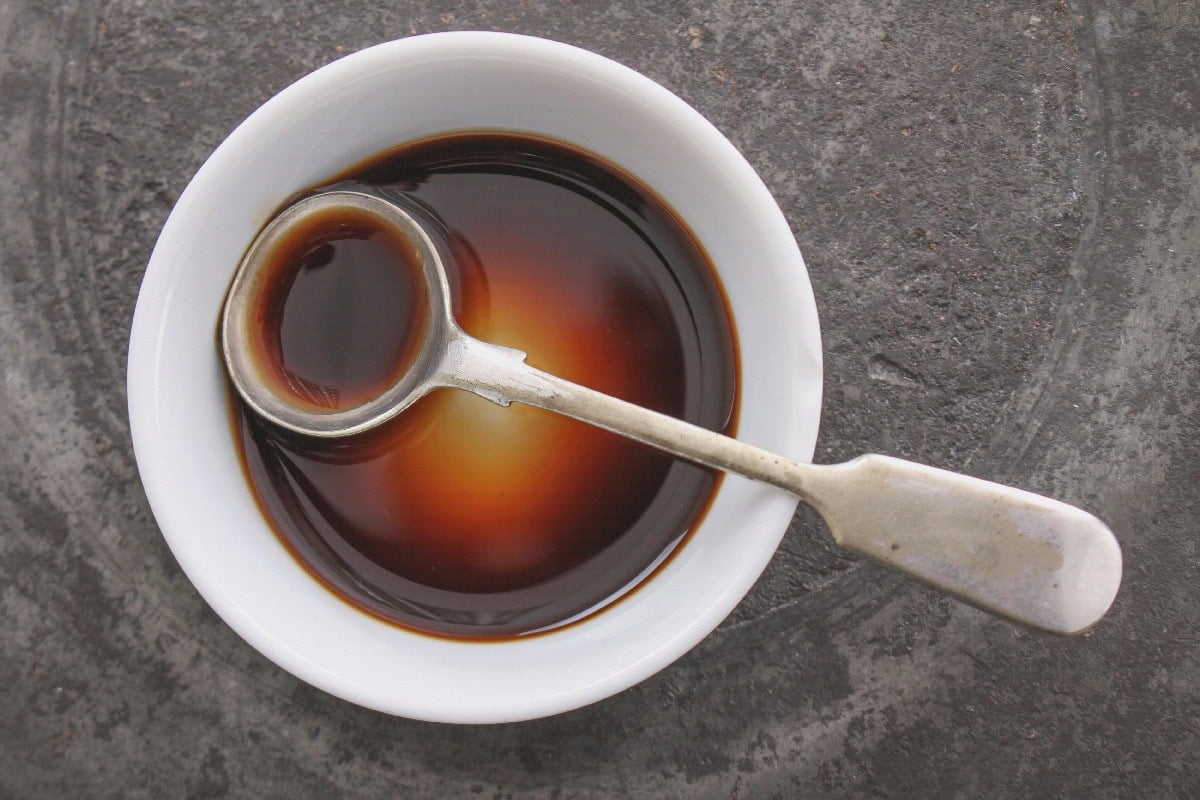
Mixing a small amount with rice vinegar creates a surprisingly flavorful substitute for recipes that need extra depth.
Because Worcestershire sauce has a strong flavor, use it sparingly.
Each of these substitutes has its own strengths. If you’re still unsure which one to choose, think about the recipe you’re making rather than trying to find an exact replacement.
What Can I Use Instead of Black Vinegar?
The best substitute ultimately depends on the dish you’re making. Chinese black vinegar has a unique balance of tangy, slightly sweet, and savory flavors, so the ideal replacement will vary from recipe to recipe.
For dumpling dipping sauce, rice wine vinegar mixed with soy sauce is usually the closest match. For braised dishes, balsamic vinegar or sherry vinegar delivers the richest flavor. If you’re making a light salad or vegetable dish, rice vinegar with a little brown sugar works surprisingly well.
The goal isn’t necessarily to duplicate Chinese black vinegar perfectly. Instead, choose a substitute that provides the right balance of acidity, sweetness, and savory flavor for your particular recipe.
Can I Substitute Black Vinegar With White Vinegar?
One of the most common questions home cooks ask is, “Can I substitute black vinegar with white vinegar?” The short answer is yes, but it isn’t the ideal choice.
White vinegar has a much sharper, more acidic taste and lacks the mellow sweetness and fermented complexity of Chinese black vinegar. If it’s the only vinegar you have, you can improve the flavor by mixing it with a small splash of soy sauce and a pinch of brown sugar. This won’t perfectly replicate authentic Chinkiang vinegar, but it will soften the harsh acidity and create a more balanced substitute.
For recipes where black vinegar is a key ingredient, such as dumpling dipping sauce or braised dishes, you’ll get much better results with balsamic vinegar, sherry vinegar, or rice wine vinegar instead.
Chinese Black Vinegar vs. Rice Vinegar
Although both are rice-based vinegars, Chinese black vinegar and rice vinegar have very different flavor profiles. Both are considered dark vinegars, but they serve different purposes in cooking.
Rice vinegar is lighter in color, milder in acidity, and slightly sweet. It’s commonly used in sushi rice, salad dressings, and lighter Asian sauces.
Chinese black vinegar, on the other hand, is aged for much longer, giving it a dark color and layers of smoky, malty, and slightly sweet flavors. It also has a richer umami flavor, making it ideal for hearty dishes and dipping sauces.
If your recipe calls for black vinegar, plain rice vinegar alone may taste too light. Pairing it with soy sauce or a little brown sugar creates a much better substitute.
Chinese Black Vinegar vs. Balsamic Vinegar
Many people wonder whether balsamic vinegar and Chinese black vinegar are the same thing.
The answer is no.
Balsamic vinegar is made from grapes, while authentic Chinese black vinegar is traditionally made from fermented glutinous rice. Even though their ingredients are different, both vinegars develop a rich flavor through aging.
Because balsamic vinegar has a similar sweetness, dark color, and complexity, it’s widely considered the best substitute for black vinegar in many recipes.
If you’re making braised meats, noodle dishes, or marinades, balsamic vinegar is usually your safest choice.
Black Vinegar Ingredients
If you’ve ever looked at a bottle of authentic Chinkiang vinegar, you may have noticed that its ingredient list is quite different from Western vinegars.
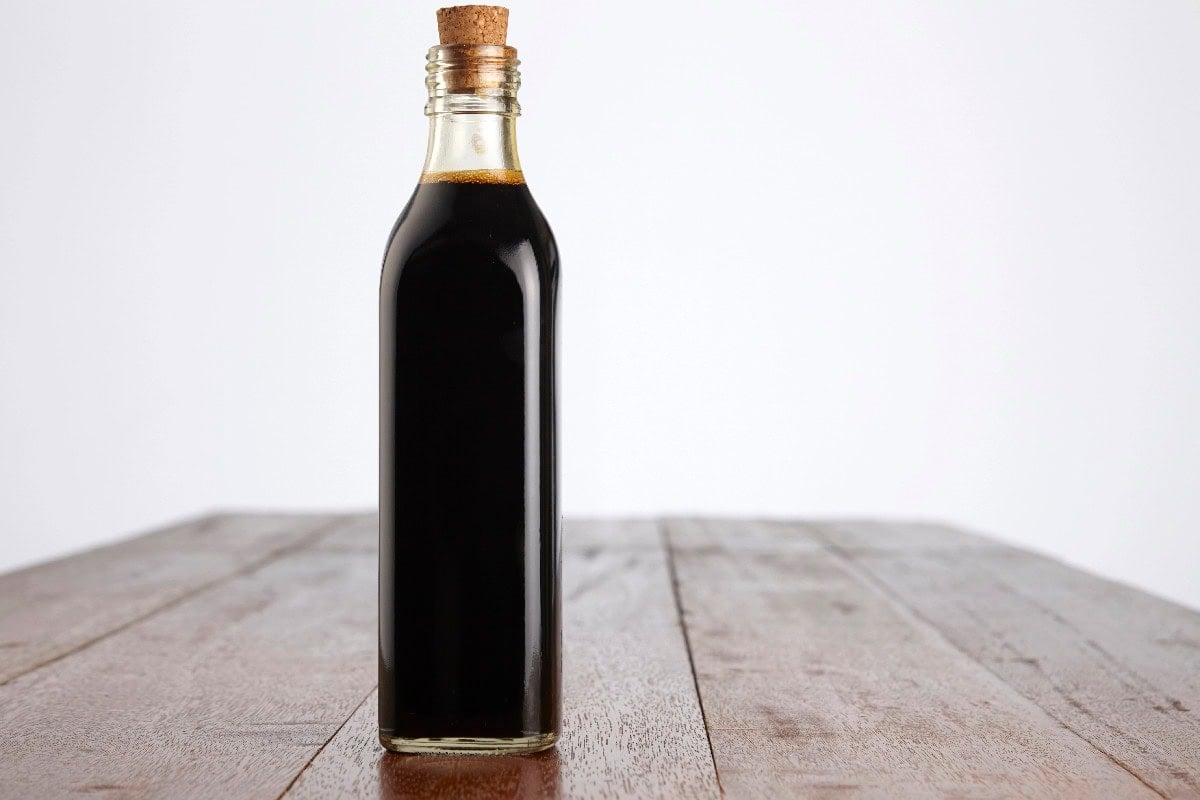
Traditional black vinegar ingredients usually include:
- Glutinous rice
- Wheat bran
- Barley
- Millet
- Sorghum
- Water
Different regions of China produce slightly different varieties, but the fermentation and aging process is what creates the vinegar’s signature rich flavor and deep color.
Because authentic Chinese black vinegar is naturally fermented, it develops a depth that simple vinegar mixtures can’t fully duplicate.
How to Make Black Vinegar
Can you make Chinese black vinegar at home? Technically, yes, but it’s probably not worth the effort. Authentic Chinese black vinegar goes through months of fermentation and aging, which is what gives it its signature deep, slightly smoky flavor. That’s difficult to recreate in a home kitchen.
If you’re simply trying to finish a recipe, I’d recommend making a quick substitute instead. A little balsamic vinegar with a splash of soy sauce won’t taste exactly the same, but it comes surprisingly close for stir-fries, dipping sauces, and braised dishes.
Chinese Black Vinegar: Where to Buy
If you’re wondering where to buy Chinese black vinegar, you have several options.
Most Asian grocery stores carry authentic Chinkiang vinegar, usually in the aisle with soy sauce, oyster sauce, sesame oil, and other Chinese pantry staples.
Many larger supermarkets have expanded their international food sections, so you may also find it at stores like Safeway, Kroger, Whole Foods, or Walmart. However, availability varies by location.
If your local store doesn’t carry it, online retailers offer a wide selection of brands, making it easy to keep a bottle on hand for future recipes.
Is Chinese Black Vinegar Healthy?
Chinese black vinegar is naturally low in calories and contains almost no fat, making it an easy way to add bold flavor without relying on extra sugar or oil.
You may have seen claims linking vinegar to weight loss. While some studies suggest vinegar may help people feel fuller after meals, there’s no evidence that Chinese black vinegar alone leads to significant weight loss. Like other vinegars, it works best as part of a balanced diet and healthy lifestyle.
Its greatest benefit is enhancing the flavor of dishes, allowing simple ingredients to taste more satisfying.
Final Thoughts
Running out of Chinese black vinegar doesn’t mean you have to put your cooking plans on hold. Whether you’re making dumpling dipping sauce, braised pork, stir-fries, noodle dishes, or a refreshing salad, there are several excellent substitutes that can deliver delicious results.
For most recipes, balsamic vinegar is the closest overall replacement thanks to its rich flavor and natural sweetness. If you prefer a lighter option, rice wine vinegar mixed with soy sauce creates an excellent substitute, while sherry vinegar offers another flavorful alternative for savory dishes.
Understanding the role that black vinegar plays in Chinese cooking makes it much easier to adapt recipes using ingredients you already have in your pantry. Once you know which substitute works best for each dish, you’ll be able to cook with confidence, even if your bottle of Chinkiang vinegar is empty.
FAQ
Balsamic vinegar is generally considered the best substitute for Chinese black vinegar because it has a similar dark color, mild sweetness, and rich, aged flavor. Rice wine vinegar mixed with soy sauce and sherry vinegar is also an excellent alternative, depending on the recipe.
The best substitute for black vinegar for dumplings is rice wine vinegar mixed with a little soy sauce. This combination creates a tangy, savory dipping sauce that’s very close to traditional Chinese dumpling sauce.
Yes, but white vinegar is much sharper and lacks the sweetness and complexity of Chinese black vinegar. If you use it, mix it with soy sauce and a small amount of brown sugar to create a more balanced flavor.
No. Chinese black vinegar is traditionally made from fermented glutinous rice, while balsamic vinegar is made from grapes. Even so, balsamic vinegar is one of the closest substitutes because of its rich, aged flavor.